
Choosing Centella Products: Check This First on the Ingredient List
For centella-based cosmetics, what matters more than the presence of 'Centella Asiatica Extract' itself is the form it's in (purified extract, active ingredient content such as madecassoside, etc.) and how much is included, along with whether it's formulated together with soothing supporting ingredients like panthenol, allantoin, and beta-glucan. For irritated skin, choosing a product that also contains barrier lipid components (ceramides, cholesterol, fatty acids) rather than centella alone may help with recovery.

There are truly many products labeled as containing "centella," but when you actually try to choose one, the position on the ingredient list, the accompanying ingredients, and the price all vary. This article summarizes 4 criteria to actually check when reading the ingredient list.
Why Is Centella Labeled Under So Many Different Names?
Centella Asiatica is an extract obtained from a plant called Gotu Kola, and on the full ingredient list it can be labeled under various names such as 'Centella Asiatica Extract,' 'Madecassic Acid,' 'Asiatic Acid,' and 'Madecassoside.' This difference depends on whether the active ingredients contained in Gotu Kola were individually isolated and purified, or included as a whole extract.
Simply having the word "centella" on the full ingredient list doesn't mean you can expect the same effect from every product. Since the purification method and formulation ratio of the extract differ by product, it's good to also check whether it's positioned near the front of the ingredient list (indicating higher content) and whether a purified extract is separately labeled.
When and How Do You Notice the Effects of Centella Products?
Centella ingredients are typically used for the purpose of relieving irritation and soothing. In the early stages when skin becomes sensitive, redness or a burning sensation tends to stand out first, and this often gradually subsides over the following days.
However, rather than expecting immediate change from a single ingredient, it's necessary to combine consistent use with lifestyle habits that reduce irritating factors (friction, UV exposure, dryness). Since individual differences may exist, the time it takes to notice results with the same product can vary from person to person.
4 Criteria for Choosing Centella
First, check whether Centella-related ingredients are listed near the top of the full ingredient list, right after water. Second, look for whether refined forms such as madecassoside and asiatic acid are listed separately. Third, check whether soothing and moisturizing supporting ingredients like panthenol, allantoin, and beta-glucan are formulated together. Fourth, it's also good to check whether the content of potentially irritating ingredients such as fragrance and ethanol is low.
Especially when the skin barrier is sensitive, such as right after a procedure, products containing a composition similar to skin lipids—such as ceramides, cholesterol, and fatty acids—along with Centella, rather than Centella alone, may be more helpful in terms of barrier care.
Taking a Different Approach for Each Home Care Stage
In the early stage right after irritation occurs (days 1-3), it's good to apply a thin layer of a lightweight, soothing-focused formula, and during the recovery stage when redness begins to subside (from day 4 onward), it may help to focus a bit more on deep moisturizing and skin texture care—approaching each stage differently.
This stage-by-stage approach applies equally to home care after a procedure. Right after the procedure, soothing and barrier care come first, and once the redness subsides, the focus shifts to tightness relief and exfoliation care.
Post-Procedure Recovery Depends on Home Care
During the sensitive period right after a procedure, it may help to first prioritize soothing redness and barrier care with the Ultra Cera-Rich Cream (STEP1), which contains Centella along with 5 types of ceramides, cholesterol, and fatty acids. Then, from the recovery stage onward (from day 4), a two-step approach can be helpful by continuing with deep moisturizing and skin texture care using the Hydro Re-Boosting Cream (STEP2), which contains panthenol and niacinamide.
FAQ
- Is centella suitable for all skin types?
- It's generally known as a mild ingredient, but reactions can vary depending on individual skin condition and other ingredients formulated together in the product. When using a new product, it's safer to test with a small amount first.
- Can centella and ceramides be used together?
- Yes, since centella's soothing care and ceramide's barrier care serve different roles, they're known to be a combination that can be used together without issue. In fact, considering both together may be helpful during sensitive periods.
- Is a higher centella content always better?
- Rather than judging by content alone, it's more important to comprehensively consider its position on the full ingredient list, the purification form, and the supporting ingredients formulated with it. Even with high content, if the formulation isn't right, the perceived difference may not be significant.
- Can centella-based products be used after a procedure?
- A common home care approach is to use products focused on soothing and barrier care immediately after a procedure, then switch to products focused on deep hydration and skin texture care once redness has subsided. It's safer to consult with your treating medical staff before use, depending on the treated area and condition.
Related products
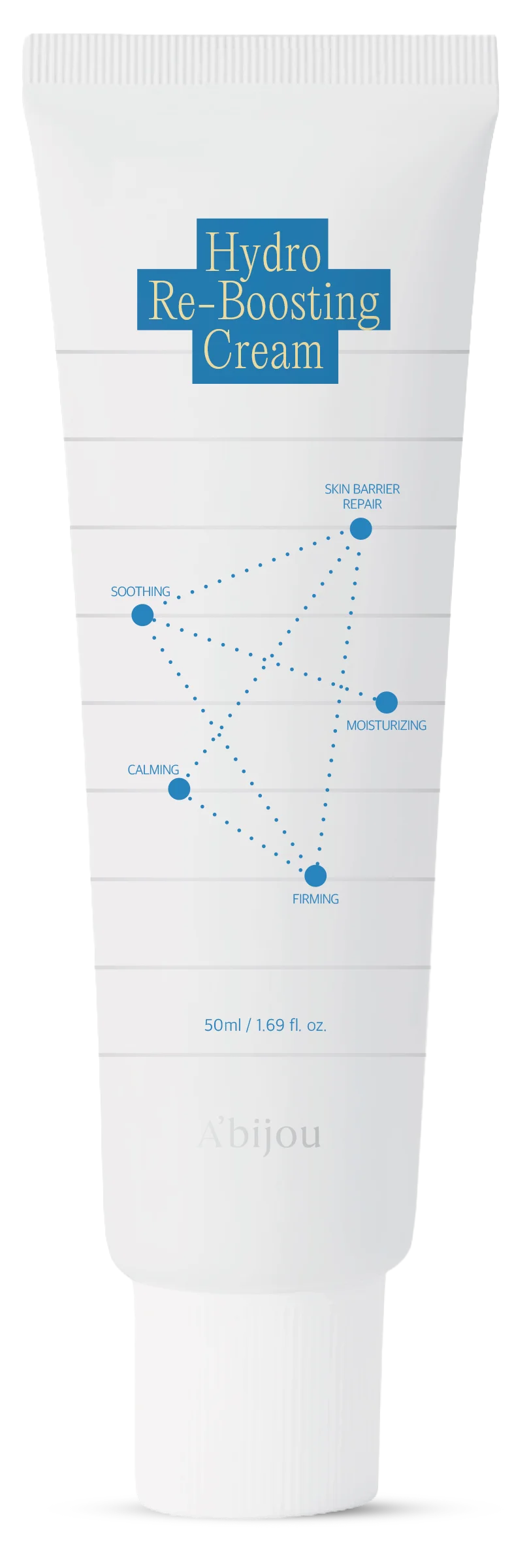 하이드로 리-부스팅 크림Buy
STEP 2 · 회복기 속보습
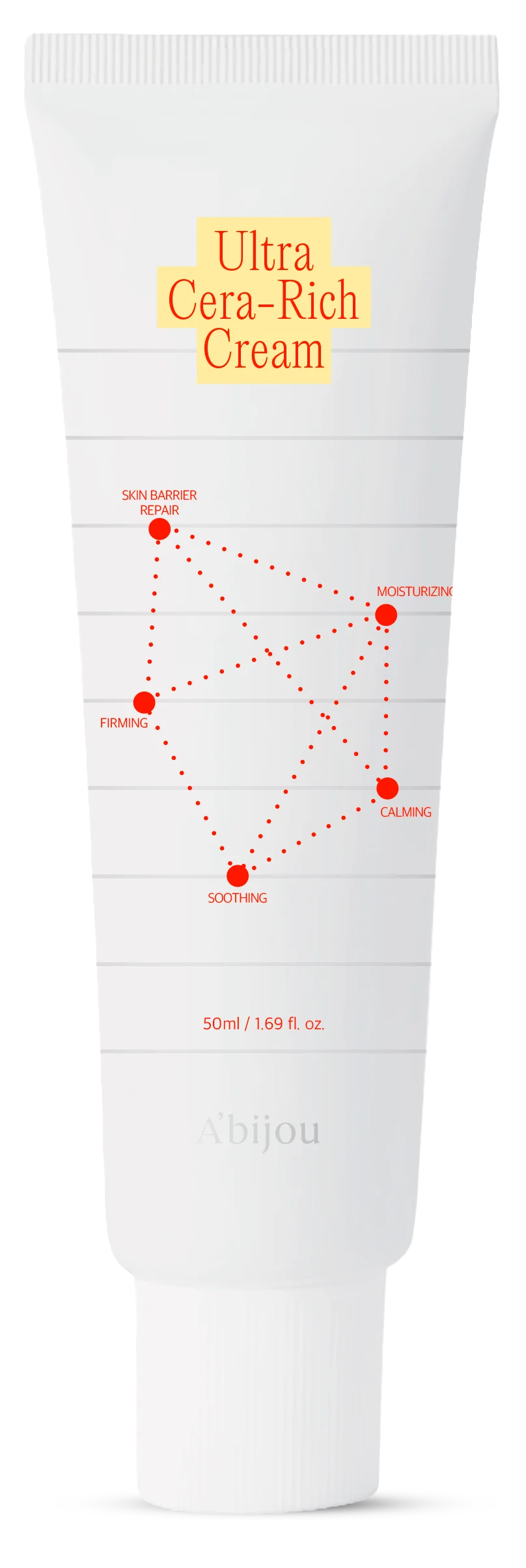 울트라 세라-리치 크림Buy
STEP 1 · 시술 직후 진정·장벽 케어