
Hyalowave Effects, Procedure, and Duration: A Complete Guide
Hyalowave is a skin booster treatment that injects active ingredients into the skin layers, aiming to help improve hydration, texture, and elasticity. Downtime is short, and effects tend to appear gradually from about 1–2 weeks after treatment, but the degree felt and how long it lasts vary by individual, so it's best to consult a specialist before deciding whether to proceed.
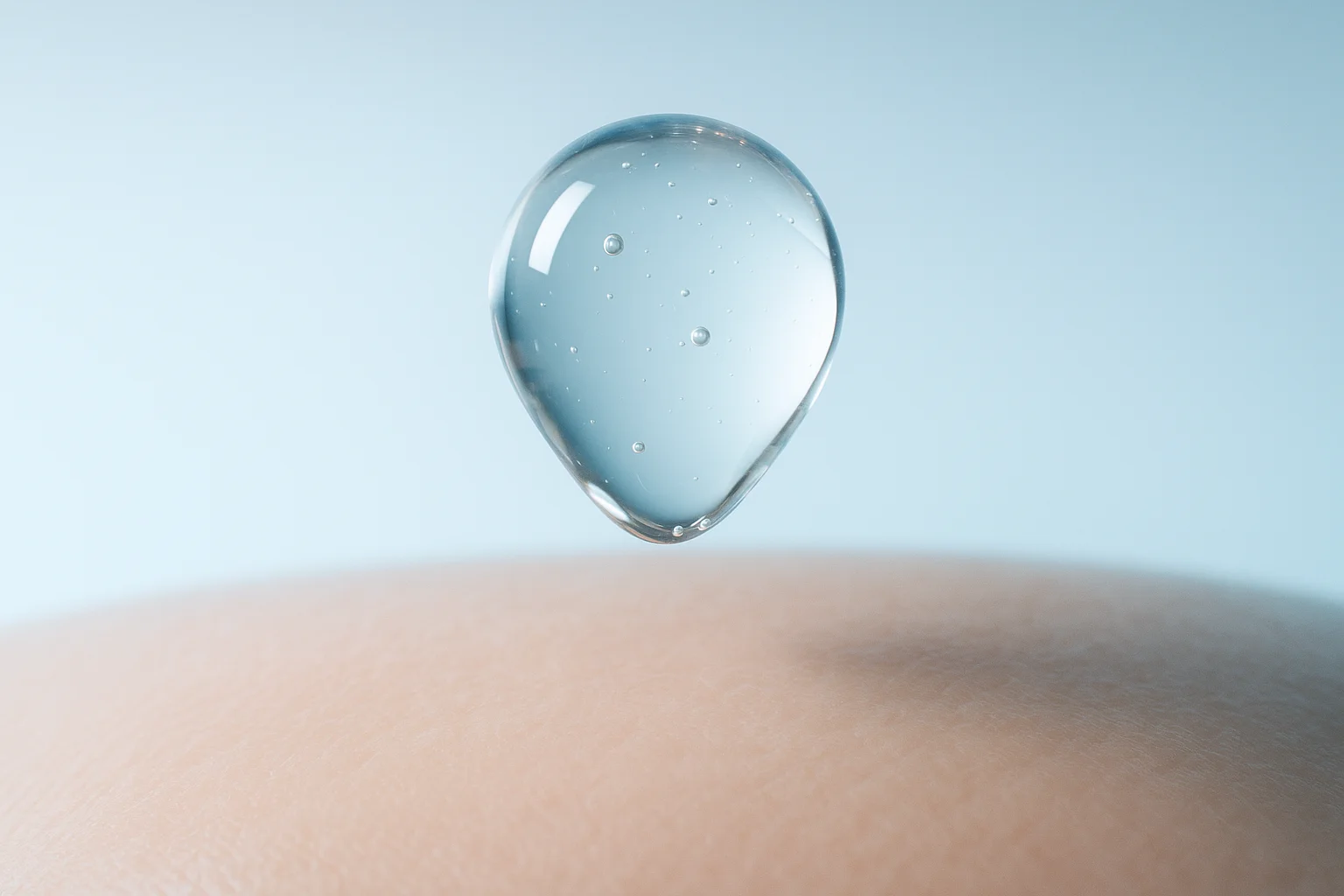
If you're concerned about dry, dull skin or uneven texture, you've likely searched for skin booster treatments before. Hyalowave is one of the treatments frequently searched by people with these concerns, known for injecting active ingredients into the skin layers to help improve the skin's condition.
However, even if the principles or methods of a treatment appear similar, the actual felt effect and results can vary from person to person. This article covers what kind of treatment Hyalowave is, what the process and downtime look like, and how to care for your skin afterward.
What Kind of Treatment Is Hyalowave?
Hyalowave is classified as a skin booster treatment aimed at improving skin texture and managing hydration. It is performed by applying a topical numbing cream and then injecting active ingredients into the skin layers. The specific mechanism of action and the degree felt can vary depending on the characteristics of the product used and the individual's skin condition.
It's important to have your skin condition assessed before the treatment, and to determine which areas and methods will be used through a consultation. Since the same approach isn't applied to every skin type, it's advisable to thoroughly discuss any questions with a specialist beforehand.
Changes You Might Expect from Hyalowave
Hyalowave is a treatment aimed at helping improve hydration, refine skin texture, enhance elasticity, and boost skin radiance. However, the degree to which these changes are felt can vary depending on the individual's skin condition, treatment area, and number of sessions, so specific results are not guaranteed.
It's introduced as a treatment that may interest those concerned about dry, dull skin, those wanting to refine their skin texture, or those looking to manage their skin condition in a natural way. Whether this treatment can address your specific skin concerns should be confirmed through a consultation.
Procedure and Duration
Hyalowave typically proceeds in this order: consultation and skin assessment, cleansing followed by application of a topical numbing cream, injection of active ingredients into the skin layers, and finally soothing care and aftercare guidance. The total treatment time varies by area but is generally known to take about 20–30 minutes.
Topical numbing cream is commonly used for anesthesia, and the pain felt during injection is generally mild, though this can vary by individual. In many cases, you can return to daily activities without a separate recovery period afterward, but this too depends on individual skin response.
Timing of Effects, Duration, and Recommended Intervals
Effects are generally known to appear gradually starting around 1–2 weeks after treatment, though this timing also varies by individual. The duration differs depending on the type of product used and the treated area, so it's difficult to state a uniform timeframe.
It's common to undergo several sessions initially at intervals of 2–4 weeks, then adjust the schedule afterward for maintenance purposes. The exact number of sessions and intervals should be determined through consultation with a specialist who has assessed your skin condition.
Downtime and Precautions
Hyalowave is known to involve little to no separate recovery period, but faint injection marks or mild redness may remain for about 1–2 days. The degree and duration of such reactions vary by individual.
Since the skin barrier may become temporarily more sensitive right after the treatment, it's generally recommended to avoid sun exposure and irritating ingredients, and to focus on gentle products during this period. If any abnormal reaction persists or you're concerned about symptoms, it's safest to contact the clinic where the treatment was performed.
Home Care During the Recovery Period
After skin booster treatments, skin can become temporarily sensitive and require more hydration, and it's known that home care during this period can affect how your skin condition is managed afterward. A routine that stabilizes the skin with low-irritation, hydrating products may be helpful.
A two-step approach can be a useful reference: focusing on soothing and barrier care immediately after the treatment, then transitioning to deep hydration care as recovery progresses.
Hyalowave vs. Water Glow Injection vs. Skinvive
All three treatments fall under the skin booster category, but they differ in main ingredients and characteristics. Hyalowave's main ingredient varies by product and is introduced as a treatment focused on hydration and texture improvement. Water glow injection is based on hyaluronic acid (HA) and aims for immediate hydration, while Skinvive also uses HA and focuses on relatively longer-lasting hydration management.
Since which of the three treatments is more suitable for your skin condition and concerns varies significantly by individual, it's recommended to compare them through a consultation before choosing.
Recovery After Treatment Depends on Home Care
Since skin can become sensitive right after treatment, a home care routine focused on soothing and hydration may be worth considering. ABJU Cream is designed as a two-step system for this recovery period: right after the treatment, STEP1 Ultra Cera-Rich can help soothe redness and support the skin barrier, and as recovery progresses, STEP2 Hydro Re-Boosting can be used to continue deep hydration care. However, cosmetics don't replace the treatment itself, and choosing and using products suited to your skin condition should take individual differences into account.
FAQ
- What kind of treatment is Hyalowave?
- Hyalowave is a skin booster treatment that injects active ingredients into the skin layers, aiming to help improve hydration, texture, elasticity, and radiance. The degree of felt effect varies by individual.
- When can I start to feel the effects of Hyalowave?
- Effects are generally known to appear gradually starting from about 1–2 weeks after treatment, though the timing and degree can vary by individual.
- How long do the effects of Hyalowave last?
- The duration varies depending on the product used and the treated area, and it's common to maintain results through follow-up sessions. The extent of lasting effect varies by individual.
- Is Hyalowave painful?
- A topical numbing cream is typically used to reduce discomfort, but the level felt may differ from person to person.
- Does Hyalowave involve downtime?
- There is generally little to no separate recovery period, but faint injection marks or mild redness may appear for about 1–2 days. If any unusual reaction persists, it's best to contact the clinic where the treatment was performed.
Medically reviewed by 아비쥬의원 의료진. (September 10, 2026)