
Hyaluronic Acid Content vs. Composition—Which Matters More?
Hyaluronic acid's actual hydrating effect depends more on molecular weight composition (high and low molecular weight ratio) and the lipid ingredients that hold moisture in place than on the percentage listed on the label. High content alone keeps water only on the surface, where it evaporates quickly, while a well-designed product with balanced low and high molecular weight hyaluronic acid can help maintain lasting moisture. What truly matters is not 'how much' but 'how it is formulated.'
When choosing cosmetics, it's easy to focus on phrases like 'contains X% hyaluronic acid.' However, for hyaluronic acid, molecular size and formulation design matter far more than content percentage itself. Even with the same name, hyaluronic acid works at different skin depths and in different ways depending on molecular weight.
Why hyaluronic acid composition matters more than content
Hyaluronic acid is well known for its ability to draw water hundreds of times its own weight. However, this ability works at different locations depending on molecular size. High molecular weight hyaluronic acid, with its larger molecules, forms a thin barrier on the skin surface that slows water evaporation. Low and ultra-low molecular weight hyaluronic acid, by contrast, penetrates relatively deeper into the stratum corneum to supply inner skin moisture.
In other words, a product with a single molecular weight at high concentration may be less effective than a 'multi-molecular weight composition' that balances high and low molecular weights, as the latter can simultaneously protect the surface and provide deep hydration. Even if the numerical content is high, if the molecular weight composition is monotonous, the actual hydrating effect may not last as long as expected.
Additionally, hyaluronic acid alone finds it difficult to draw in moisture and retain it for long. This is where ingredients similar to skin lipids—such as ceramides, cholesterol, and fatty acids—work together to create an environment where moisture is maintained without evaporating. Ultimately, the value of hyaluronic acid is determined not by 'how much' but by 'what molecular weights and which ingredients it is combined with.'
How dryness changes over time if left unaddressed
In the early stages (days 1-2) when tightness is first felt, it is easy to dismiss it as temporary dryness, but if proper moisture supply is not provided during this period, it can progress to days 3-5 with slight flaking or rough skin texture.
If dryness continues to recur, the skin can become sensitive and react more easily to external irritants, so maintaining hydration care from the initial stages helps protect skin texture and overall condition.
Step-by-step home care approach
Step 1: After cleansing, use a toner to refine skin texture and enhance absorption in the next step.
Step 2: Apply a hydrating product evenly, focusing on areas where tightness or fine flaking is felt. At this stage, it helps to check whether the product contains barrier care ingredients like ceramides along with the appropriate hyaluronic acid molecular weight composition.
Step 3: Gently pat to absorb and layer to deliver moisture deep into the skin. Rather than rubbing vigorously, cupping with your palms to absorb is a way to minimize irritation.
Post-procedure recovery depends on home care
The importance of this compositional design applies equally to home care following skin booster procedures. Hydro Re-Boosting Cream is formulated with generous amounts of hydrating ingredients like panthenol to support stratum corneum moisture care and maintain 24-hour hydration, and during the immediate post-procedure phase when redness and heat remain, a 2-STEP routine can be considered: first using Ultra Sera-Rich Cream with a 5-type ceramide complex for barrier care, then transitioning to Hydro Re-Boosting Cream as recovery progresses.
사용 24시간 후에도 보습 수치 유지에 도움. 개인차가 있을 수 있습니다.
출처 P&K 피부임상연구센타 시험성적서 (PNK-26223-RI1R)
피부 각질층 속 수분 케어에 도움. 개인차가 있을 수 있습니다.
출처 P&K 피부임상연구센타 시험성적서 (PNK-26223-RI1R)
자극 후 건조함 케어에 도움. 개인차가 있을 수 있습니다.
출처 P&K 피부임상연구센타 시험성적서 (PNK-26223-RI1R)
FAQ
- Is high hyaluronic acid content always better?
- It's difficult to judge by content percentage alone. If the molecular weight composition is monotonous, even high content may struggle to retain moisture long-term. It's more helpful to examine the combination of high and low molecular weight hyaluronic acid together with lipid ingredient blending.
- Is low molecular weight hyaluronic acid better?
- Low molecular weight penetrates deeper to supply inner skin moisture, while high molecular weight slows surface water evaporation. A balanced blend of both types can be more beneficial for the hydration experience.
- Is hyaluronic acid alone enough?
- Hyaluronic acid draws moisture in, but to hold that moisture in place, you need ingredients similar to skin lipids, such as ceramides. Using both together is recommended.
- When should I start hydration care if dryness persists for several days?
- It's best to begin hydration care as soon as you first feel tightness. Neglecting it early can lead to flaking and rough skin texture, so early intervention is helpful.
- Does hyaluronic acid composition matter after treatment?
- Yes, barrier care is needed immediately after treatment, and inner hydration care becomes important as recovery progresses. Using products with appropriate ingredient formulations for each stage can be beneficial.
Related products
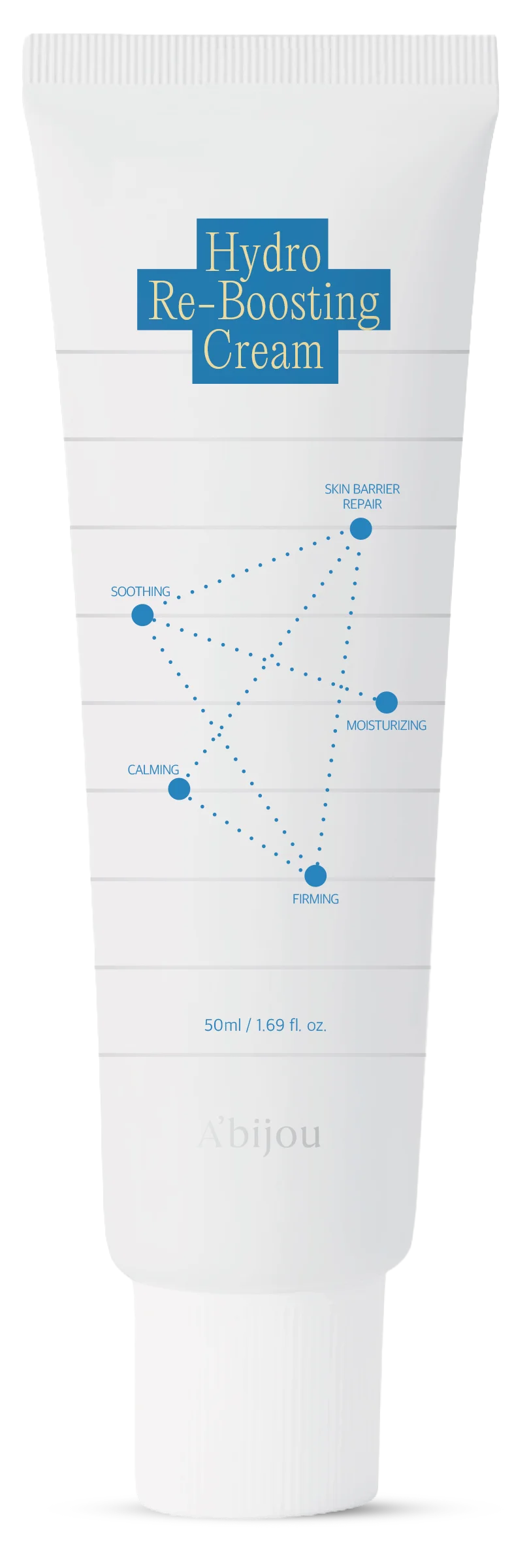 하이드로 리-부스팅 크림Buy
STEP 2 · 회복기 속보습
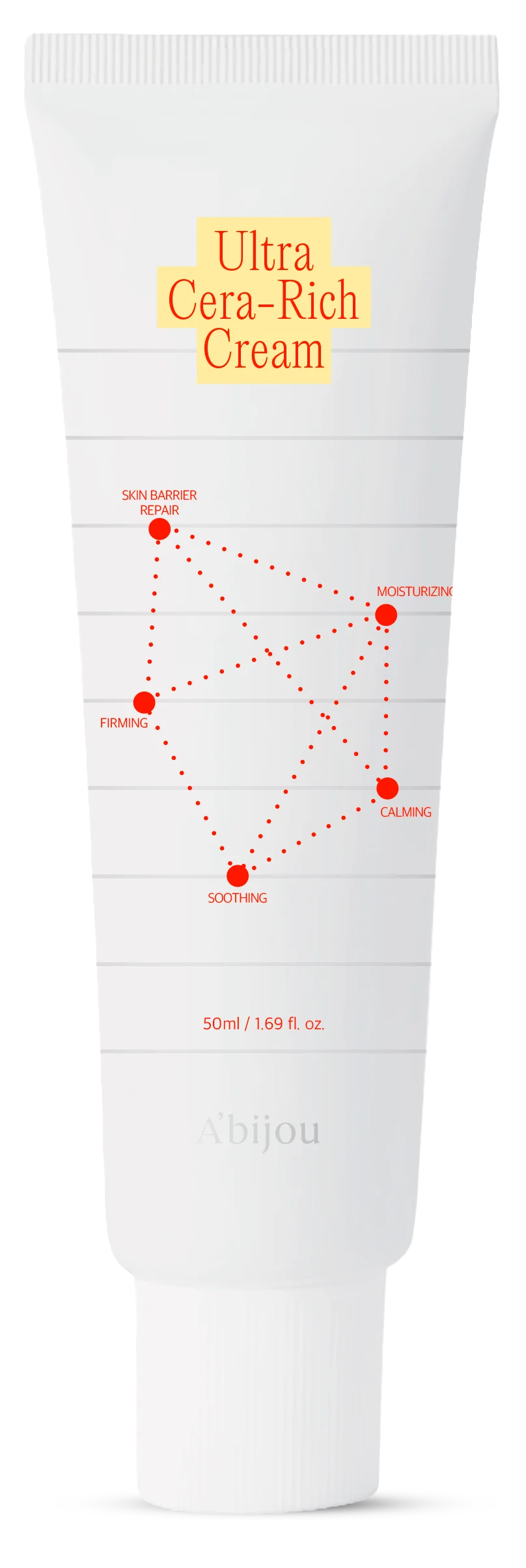 울트라 세라-리치 크림Buy
STEP 1 · 시술 직후 진정·장벽 케어