
Hyaluronic Acid Injection: Complete Checklist of Precautions Before Treatment
Hyaluronic acid fillers and skin boosters can cause varying reactions such as swelling, bruising, and redness for several days depending on the treatment area and purpose, making pre-treatment confirmation essential. Before the procedure, check medication and supplement use with anticoagulant properties and your skin condition; after treatment, minimize irritation and focus on hydration and soothing care to aid recovery. Below is a summary of timeline progression and step-by-step at-home care.
Hyaluronic acid is a component naturally present in the skin and is used in various forms of treatment, from fillers that fill wrinkles and volume to skin boosters that increase skin hydration. However, because it is an 'ingredient already present in the skin,' people often overestimate its safety and neglect pre- and post-treatment care.
- 1Immediately after treatment~Day 3Manage swelling, redness, and bruising; minimize irritation and provide soothing care
- 2Day 4 onwardSwelling decreases, tightness and dryness emerge → transition to deep hydration care
- 31–2 weeksSkin condition stabilizes; recovery speed varies by individual
What to confirm before treatment
Hyaluronic acid treatment involves injecting substance into the dermal layer of skin using a needle or cannula, which can be accompanied by minor bruising or swelling. This is inherent to the treatment itself and the degree can vary depending on individual blood vessel distribution and skin condition.
Before treatment, it is advisable to check in advance whether you are taking medications such as aspirin, anticoagulants, or supplements like omega-3 or vitamin E that may affect blood coagulation. Additionally, if your skin has other concerns (acne, damage, etc.), it is often recommended to adjust the treatment area or postpone the appointment.
If you are pregnant, breastfeeding, or taking certain medications, you must inform your doctor during the consultation before the procedure. The treatment area and injection volume are typically adjusted based on your individual skin condition and goals.
What changes occur in the days after treatment
Immediately after the procedure, swelling, minor bruising, redness, and mild warmth may appear around the injection site. During this period, the skin can react sensitively to irritation, so it is advisable to handle it carefully without rubbing when cleansing or applying makeup.
Typically, the first 1-3 days are known as the period when swelling and redness are most pronounced. From day 4 onwards, swelling gradually subsides while many people experience tightness or dryness within the skin. Individual variation is possible, so the recovery timeline may differ depending on the treatment area and method.
During this period, activities that rapidly increase blood flow such as saunas, intense exercise, alcohol consumption, and massage are recommended to be avoided as they may worsen swelling or bruising.
Home care by phase—manage it this way
Immediately after the procedure through day 3 is the most critical phase for minimizing irritation. It can be helpful to avoid hot water cleansing or vigorous rubbing and to lightly layer soothing, low-irritant care products.
From day 4 onwards, when swelling and redness subside, tightness and dryness within the skin become more apparent. At this stage, it may be beneficial to shift your care approach from soothing to deep hydration, which can ultimately help refine skin texture.
A two-step approach that adjusts post-treatment care direction according to each phase plays an important role in recovery condition. By using a home care routine designed to follow this progression, you can reduce the burden of management.
Post-treatment recovery is determined by home care
For days 1-3 after treatment, you can switch to an Ultra Sera-Rich Cream focused on soothing and barrier care, and from day 4 onwards when swelling subsides, use a Hydro Re-Boosting Cream to address inner tightness and dryness. With a 2-STEP composition designed for each post-treatment phase, this can be referenced as home care following skin booster hyaluronic acid treatments such as Rejuran and Juvelook.
물리적 자극으로 붉어진 피부의 붉은기 진정에 도움. 개인차가 있을 수 있습니다.
출처 P&K 피부임상연구센타 시험성적서 (PNK-26224-RI2R)
물리적 자극으로 손상된 장벽이 손상 전 수준으로 회복되는 데 도움. 개인차가 있을 수 있습니다.
출처 P&K 피부임상연구센타 시험성적서 (PNK-26224-RI2R)
사용 24시간 후에도 보습 수치 유지에 도움. 개인차가 있을 수 있습니다.
출처 P&K 피부임상연구센타 시험성적서 (PNK-26223-RI1R)
FAQ
- What should I do if bruising persists long after hyaluronic acid treatment?
- Bruising can vary in severity and duration depending on individual blood vessel distribution and treatment area. In most cases, bruising naturally fades over time, but if it persists beyond two weeks or is accompanied by pain, it is advisable to consult the clinic where you received the treatment.
- When should I stop taking aspirin or omega-3 before treatment?
- It is safest to consult with your healthcare provider to determine when to discontinue medications or supplements that may affect blood coagulation. Rather than making the decision yourself, it is recommended to inform your provider about these during your pre-treatment consultation.
- Can I apply makeup immediately after treatment?
- Since there may be microscopic damage or swelling at the injection site, it is generally recommended to avoid or minimize makeup on the day of treatment. The specific duration may vary depending on the treatment area and method, so it is best to follow your healthcare provider's guidance.
- Why does my skin feel dry even after swelling subsides?
- As initial swelling and redness subside, there may be a period when skin feels relatively dehydrated. During this time, adjusting your care approach from soothing treatments to deep hydration care can help improve skin condition.
Related products
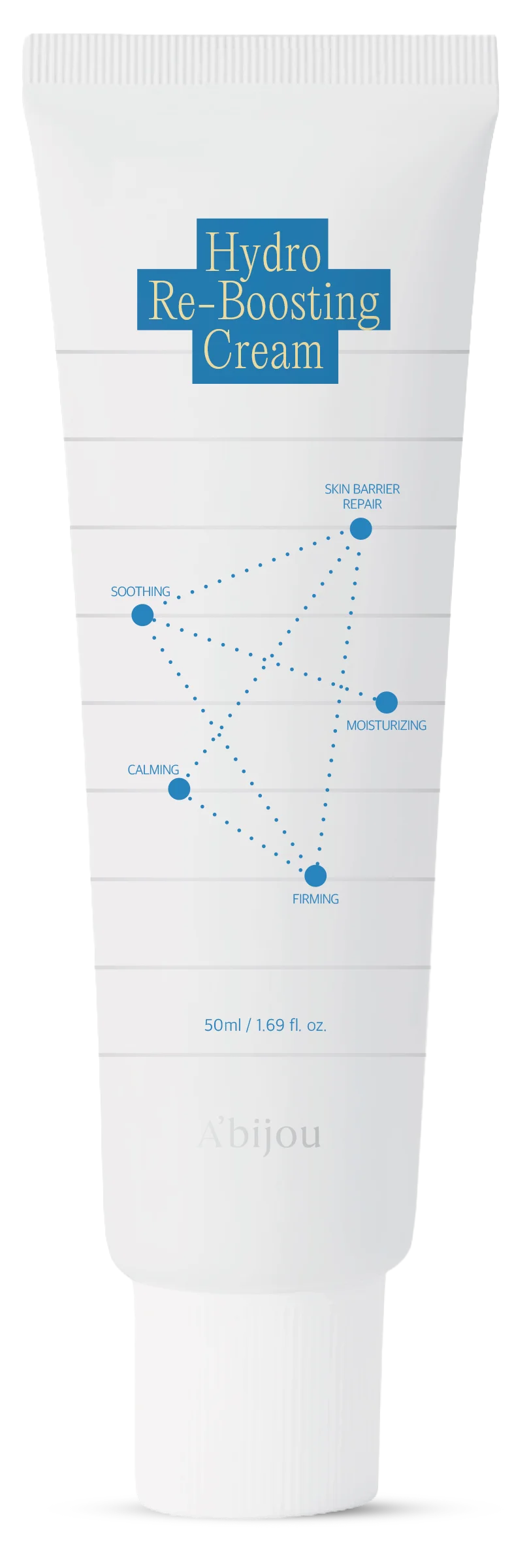 하이드로 리-부스팅 크림Buy
STEP 2 · 회복기 속보습
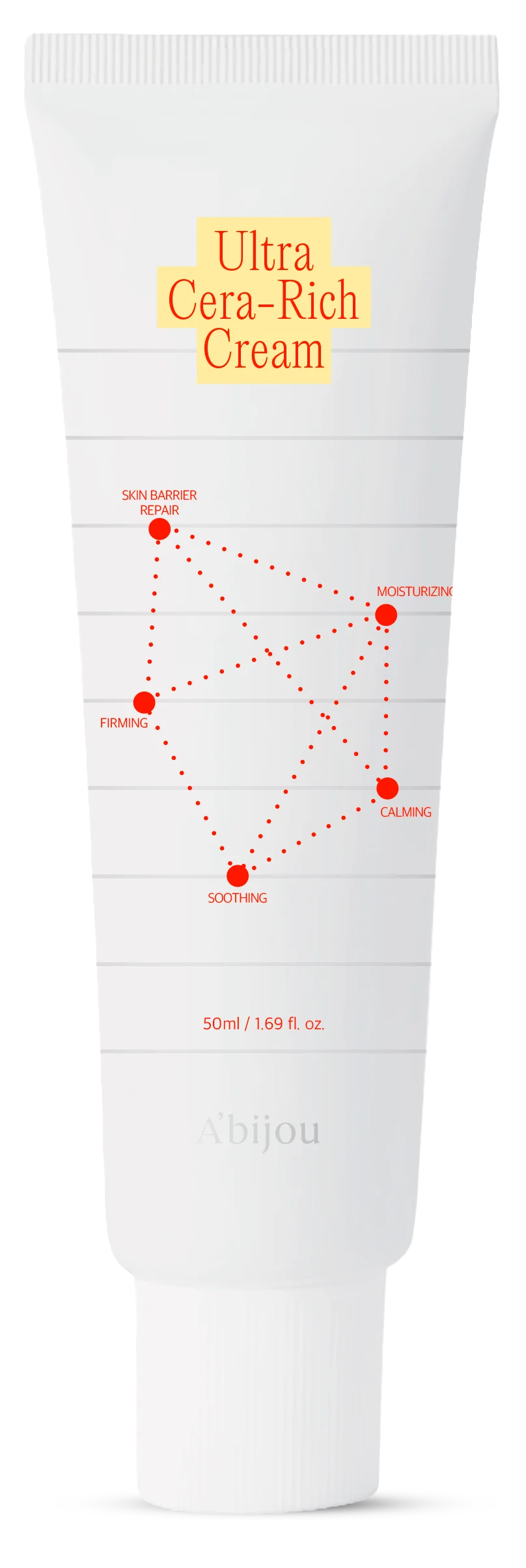 울트라 세라-리치 크림Buy
STEP 1 · 시술 직후 진정·장벽 케어