
Hyaluronic Acid Principle and Effects: Why It's Good for Your Skin
Hyaluronic acid is a polysaccharide component that attracts and retains moisture hundreds of times its own weight, helping to maintain skin hydration and elasticity. However, hyaluronic acid alone requires a barrier component to prevent moisture loss for long-lasting effects. After procedures or irritation, comprehensive home care including barrier support is essential.
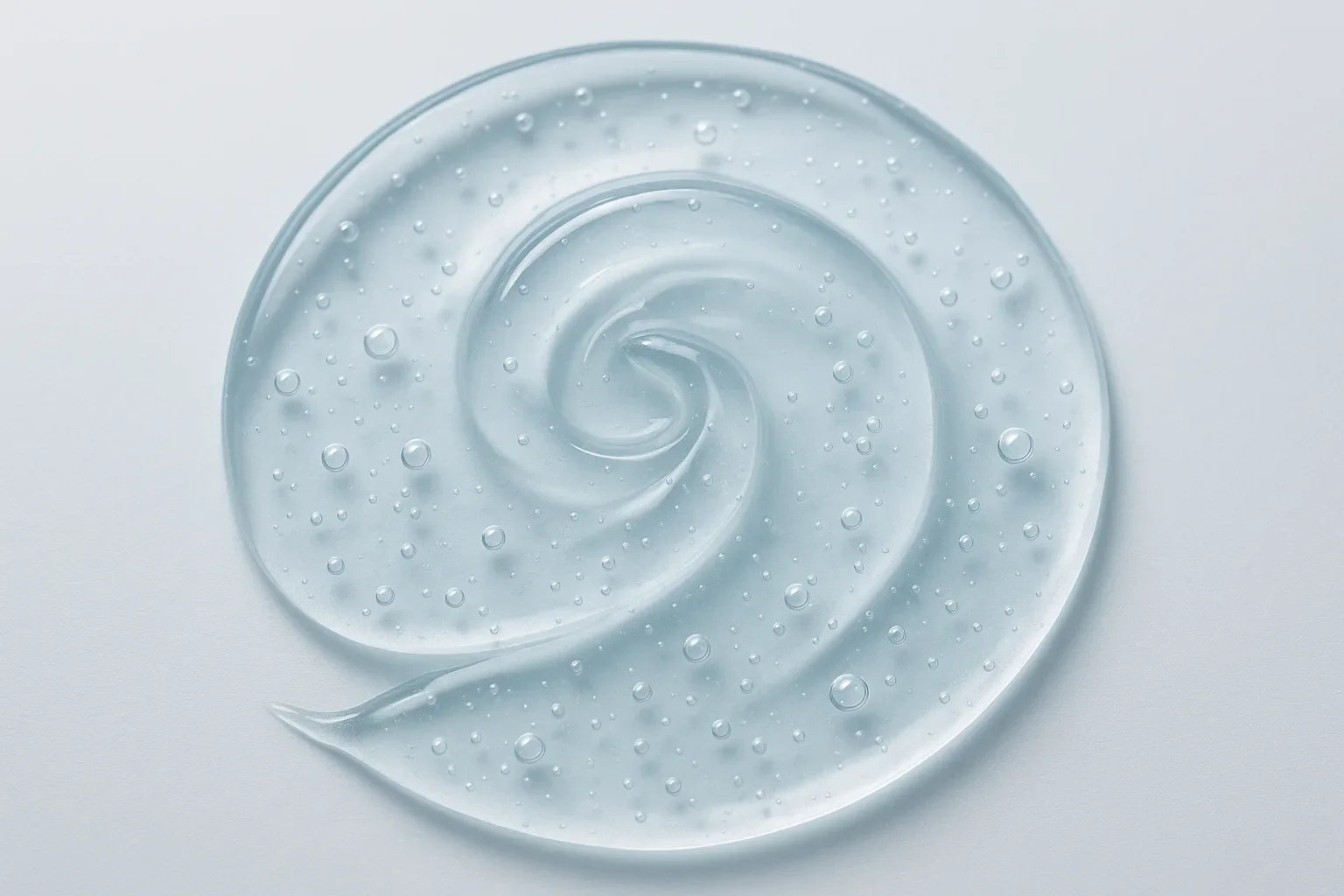
One of the most frequently seen ingredient names on cosmetic ingredient lists is hyaluronic acid. This component appears consistently in skin booster procedures, fillers, and various hydrating products—but how exactly does it work?
To put it simply, hyaluronic acid acts as a 'moisture-retaining network' that holds water within the skin. Rather than directly creating moisture, it works by capturing existing moisture or moisture entering from outside, preventing it from escaping.
- 1Days 1-3 post-procedureRedness and heat sensation, intensive calming care
- 2Days 4-7Redness subsides, skin tightness and fine flaking begin
- 3Day 7 and beyondSwitch to deep hydration and skin texture refinement care
How hyaluronic acid works
Hyaluronic acid (Hyaluronic Acid) is a polysaccharide component naturally present in the dermal layer and extracellular matrix of our body. Due to its molecular structure, it has a strong property of attracting and retaining water molecules, earning it the nickname 'natural moisture sponge.'
When applied to the skin, it forms a moisture barrier on the surface and stratum corneum, providing immediate hydration. Low-molecular-weight hyaluronic acid penetrates deeper layers and helps refine skin texture. However, since hyaluronic acid itself retains moisture rather than preventing evaporation, its moisturizing effects can last longer when used together with barrier-protecting ingredients like ceramides.
As we age or are exposed to UV rays and dry environments, the amount of hyaluronic acid in the skin naturally decreases. For this reason, skin booster treatments work by directly injecting hyaluronic acid into the skin to promote hydrated and elastic skin texture.
Post-treatment progression: How does skin change over several days?
Immediately after hyaluronic acid-based skin booster treatments (such as Rejuran, Juvelook, Revive, and Laetigen Collagen Booster), mild redness, slight swelling, and itching may appear for several days. This occurs because the skin experiences minor irritation during the procedure, and these reactions typically subside naturally.
Days 1-3 post-treatment are the most sensitive period for the skin. It is best to focus on calming redness and heat while soothing the disrupted skin condition. From day 4 onwards, redness gradually subsides and the skin enters a phase where internal dryness becomes more noticeable, manifesting as tightness and fine flaking. During this period, transitioning to hydration-focused care helps refine skin texture.
Home care by phase: How to divide it
During days 1-3 post-treatment, it is important to avoid rubbing sensitized skin and focus on soothing care to reduce redness and heat. Cleanse gently with lukewarm water and minimize skincare steps.
From day 4 onwards, as redness subsides, you may feel tightness and dryness within the skin. During this period, it helps to naturally transition to hydrating care that replenishes and locks in moisture, which supports skin texture refinement.
In other words, post-treatment recovery is most efficient when approached in two phases: 'calming first, then deep hydration' for managing skin condition.
Why manage in 2-STEP phases
The skin's care needs differ between the period when redness remains and the period when redness has subsided but internal dryness becomes prominent. Rather than managing the entire process with a single cream, phased home care tailored to each stage can better support skin condition recovery.
FAQ
Post-treatment recovery is determined by home care
ABG Jou cream is designed in 2-STEP to address these phase-specific differences. Days 1-3 post-treatment call for 'Ultra Sera-Rich Cream' to focus on calming redness and barrier care, while from day 4 onwards when redness has subsided and tightness is felt, 'Hydro Re-Boosting Cream' focuses on deep hydration and skin texture care. Switching to the appropriate cream for each phase can help manage skin condition after hyaluronic acid treatment.
물리적 자극으로 붉어진 피부의 붉은기 진정에 도움. 개인차가 있을 수 있습니다.
출처 P&K 피부임상연구센타 시험성적서 (PNK-26224-RI2R)
물리적 자극으로 손상된 장벽이 손상 전 수준으로 회복되는 데 도움. 개인차가 있을 수 있습니다.
출처 P&K 피부임상연구센타 시험성적서 (PNK-26224-RI2R)
자극 후 건조함 케어에 도움. 개인차가 있을 수 있습니다.
출처 P&K 피부임상연구센타 시험성적서 (PNK-26223-RI1R)
피부결 정돈에 도움. 개인차가 있을 수 있습니다.
출처 P&K 피부임상연구센타 시험성적서 (PNK-26223-RI1R)
FAQ
- Does hyaluronic acid generate on its own, or do you need to apply it continuously?
- Hyaluronic acid is a naturally occurring component within the skin, but it naturally decreases with age and environmental factors. The typical approach is to replenish it through topical products or procedures, and consistent moisturizing care helps maintain levels.
- How long does redness last after hyaluronic acid procedures?
- While it varies by individual, redness and heat sensation typically become most pronounced 1-3 days after the procedure and gradually subside afterward. Gentle, calming care during this period can be helpful.
- What is the difference between low-molecular and high-molecular hyaluronic acid?
- High-molecular hyaluronic acid forms a hydrating film on the skin surface for immediate moisture, while low-molecular hyaluronic acid penetrates deeper layers and can help refine skin texture.
- Is moisturizing sufficient with just hyaluronic acid?
- Hyaluronic acid retains moisture but doesn't provide barrier function to prevent water loss. Using it together with barrier-supporting ingredients like ceramides can be more effective for sustained hydration.
- When should I switch to a different cream after the procedure?
- Generally, it helps to divide care into two phases: the initial 1-3 days when redness and heat are prominent, and from day 4 onward when redness subsides and skin tightness begins. The timing may vary depending on individual recovery speed.
Related products
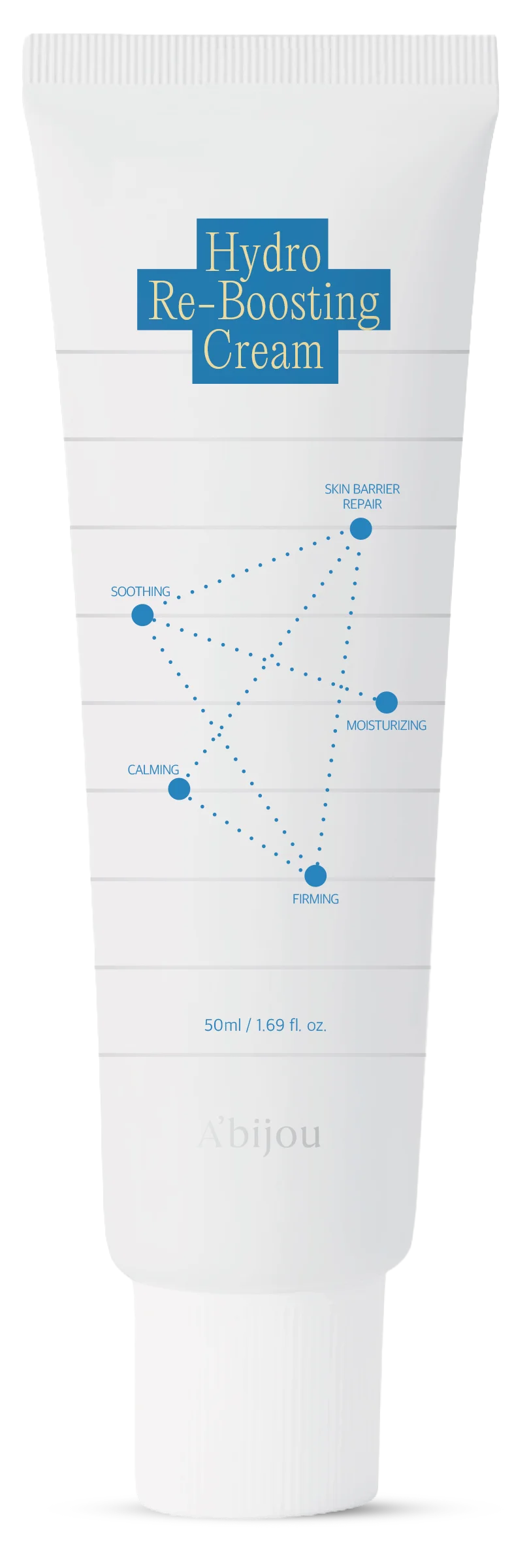 하이드로 리-부스팅 크림Buy
STEP 2 · 회복기 속보습
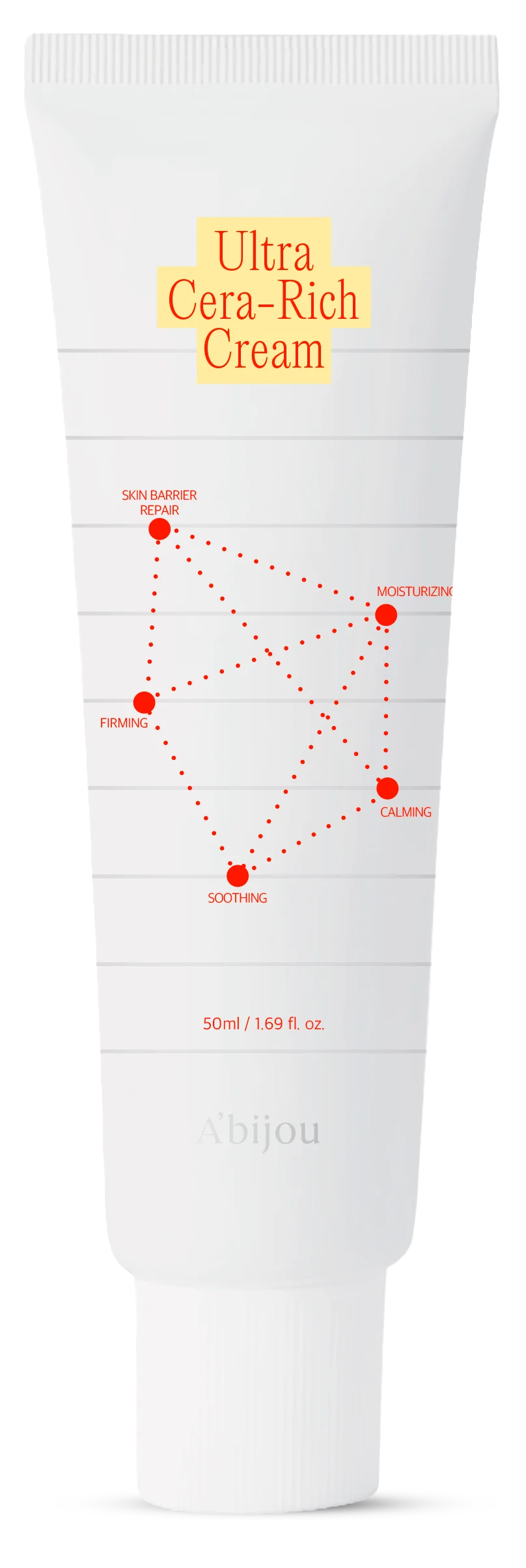 울트라 세라-리치 크림Buy
STEP 1 · 시술 직후 진정·장벽 케어