
Hyaluronic Acid Selection Guide: Start by Checking Molecular Weight
Hyaluronic acid functions differently depending on molecular weight (low vs. high) and formulation purpose, affecting where and how it works in the skin. Low molecular weight is advantageous for filling moisture inside the skin, while high molecular weight helps form a hydrating barrier on the surface. Products combining both types can help address both deep and surface hydration simultaneously. When selecting products, it's important to check molecular weight notation, concentration levels, and accompanying hydrating and barrier-support ingredients.
Hyaluronic acid is one of the most frequently seen hydrating ingredients in cosmetic ingredient lists, but when choosing a product, it's easy to get confused by various modifiers like 'high molecular weight,' 'low molecular weight,' 'nano,' or 'super.' In fact, the criteria for selecting hyaluronic acid are simpler than expected—the key is 'molecular weight' and 'the type of hydration you want.'
- 1Day 1–2Tightness begins after cleansing
- 2Day 3–5Flaking and makeup separates
- 31 week or longerRough skin texture and overall condition deteriorates
Hyaluronic acid works differently depending on molecular weight
Hyaluronic acid is a polysaccharide ingredient with the property of holding hundreds of times its own weight in moisture. However, the location where it remains in the skin varies depending on molecular size (molecular weight).
High molecular weight hyaluronic acid has larger particles and forms a thin film-like layer on the skin's surface, helping to prevent moisture from evaporating. In contrast, low and ultra-low molecular weight hyaluronic acid has smaller particles that can penetrate relatively deeply between the stratum corneum layers, helping to fill the skin with internal moisture.
In other words, 'surface moisturizing that coats smoothly' and 'deep moisturizing that fills the skin' serve different purposes, and both are often needed together. Products with multiple molecular weights balanced together, or products containing barrier and moisturizing ingredients such as ceramides and panthenol, may be more advantageous for overall skin condition management than products emphasizing a single molecular weight.
Dryness: Here's how it progresses over time if left untreated
Skin tightness doesn't develop suddenly overnight; it typically progresses in stages.
On days 1-2, it starts with a feeling of tightness after cleansing, and by days 3-5, visible changes appear such as flaking or makeup pilling. If this condition continues for more than a week, it can lead to deteriorated skin condition with roughened texture and more prominent fine lines.
Especially during dry seasons, in environments with frequent air conditioning use, or during the recovery period after lifting or skin booster treatments, the skin's moisture retention capacity temporarily decreases, making it important to provide appropriate moisturizing care for this period.
Step-by-step home care approach
The first step is checking the ingredient list. If only 'hyaluronic acid' is listed, molecular weight information is often missing, so it's better to look for specific names like 'hydrolyzed hyaluronic acid' or 'sodium hyaluronate' along with molecular weight information when possible.
The second step is the accompanying ingredients. Products containing ingredients like ceramides, panthenol, and beta-glucan that retain moisture and care for the barrier alongside hyaluronic acid often have better moisturizing persistence compared to hyaluronic acid alone.
The third step is application order and layering. The generally recommended approach is to first absorb a lighter formulation containing low-molecular-weight ingredients, then finish with a cream containing high-molecular-weight and oil components to lock in moisture.
Finally, when skin is temporarily sensitized (immediately after treatment, seasonal transitions, or after strong irritation), it's a priority to stabilize the condition first with mild moisturizing and soothing products rather than high-concentration active ingredients that could cause irritation.
If in post-treatment recovery, the moisturizing sequence is even more critical
After lifting treatments or skin booster treatments, the skin barrier goes through a temporarily sensitized period, so a care sequence suited to the timing is necessary rather than relying on hyaluronic acid alone for moisturizing. During days 1-3 when redness and heat remain immediately after treatment, use products focused on soothing and barrier care; from day 4 onwards when redness subsides and inner dryness remains, switching to deep moisturizing products can be helpful.
Post-treatment recovery is determined by home care
ZXQMAGAZINETERM Abiju cream is structured in 2 stages to match this recovery flow ZXQ. Immediately after treatment, concentrate on redness and barrier care with the Ultra Sera-Rich Cream containing 5 types of ceramides and panthenol; from day 4 onwards when redness subsides, continue with deep moisturizing and skin texture care using the Hydro Re-Boosting Cream. When selecting moisturizing ingredients like hyaluronic acid, considering 'which recovery stage my skin is currently in' together can help choose more suitable products.
자극 후 건조함 케어에 도움. 개인차가 있을 수 있습니다.
출처 P&K 피부임상연구센타 시험성적서 (PNK-26223-RI1R)
사용 24시간 후에도 보습 수치 유지에 도움. 개인차가 있을 수 있습니다.
출처 P&K 피부임상연구센타 시험성적서 (PNK-26223-RI1R)
피부 각질층 속 수분 케어에 도움. 개인차가 있을 수 있습니다.
출처 P&K 피부임상연구센타 시험성적서 (PNK-26223-RI1R)
물리적 자극으로 손상된 장벽이 손상 전 수준으로 회복되는 데 도움. 개인차가 있을 수 있습니다.
출처 P&K 피부임상연구센타 시험성적서 (PNK-26224-RI2R)
FAQ
- Do I need both low and high molecular weight hyaluronic acid?
- Since they serve different roles, products combining both can be advantageous. Low molecular weight tends to enhance skin hydration, while high molecular weight helps form a hydrating barrier on the surface. Products containing a balanced combination of both can help maintain both internal and surface hydration.
- Is hyaluronic acid alone enough?
- Hyaluronic acid primarily functions to draw moisture, so combining it with barrier-support ingredients like ceramides to retain that moisture can provide better lasting hydration.
- Can I use hyaluronic acid products after a procedure?
- Immediately after a procedure when redness and heat remain, it's recommended to prioritize calming and barrier care products with minimal irritation. Once redness subsides, incorporate hyaluronic acid and other hydrating ingredients during the deep hydration phase.
- What should I check on hyaluronic acid in the ingredients list?
- It's helpful to check the specific ingredient name (such as 'sodium hyaluronate' or 'hydrolyzed hyaluronic acid'), molecular weight notation, and its position in the ingredient list (formulation order).
Related products
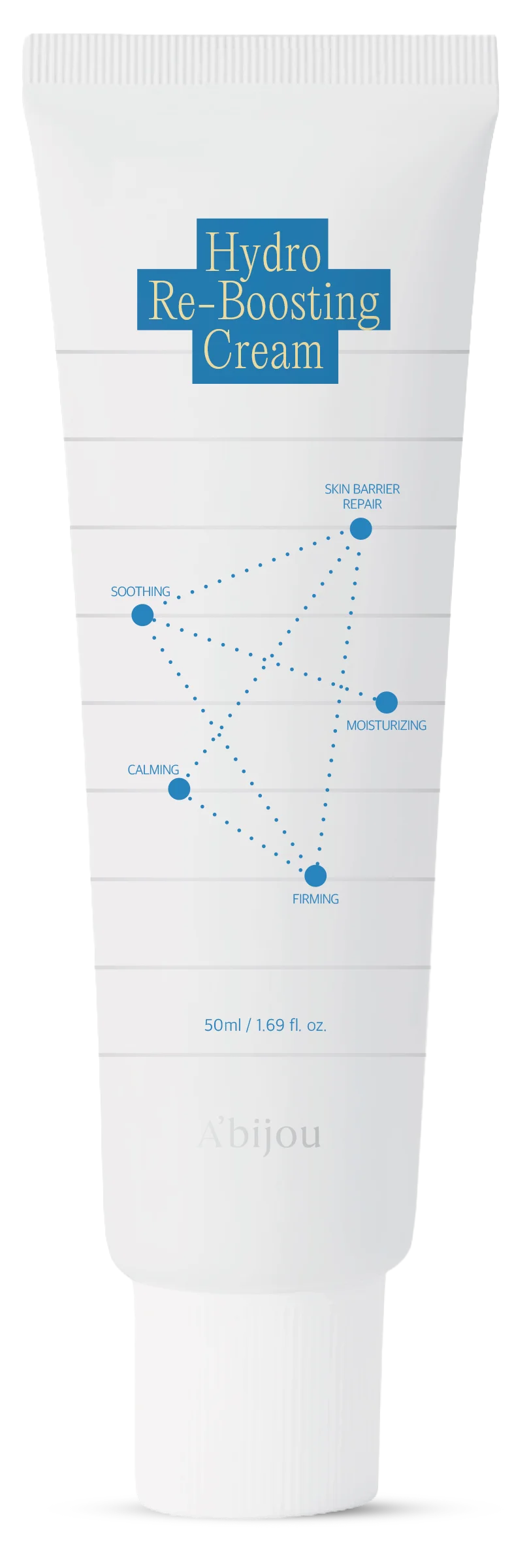 하이드로 리-부스팅 크림Buy
STEP 2 · 회복기 속보습
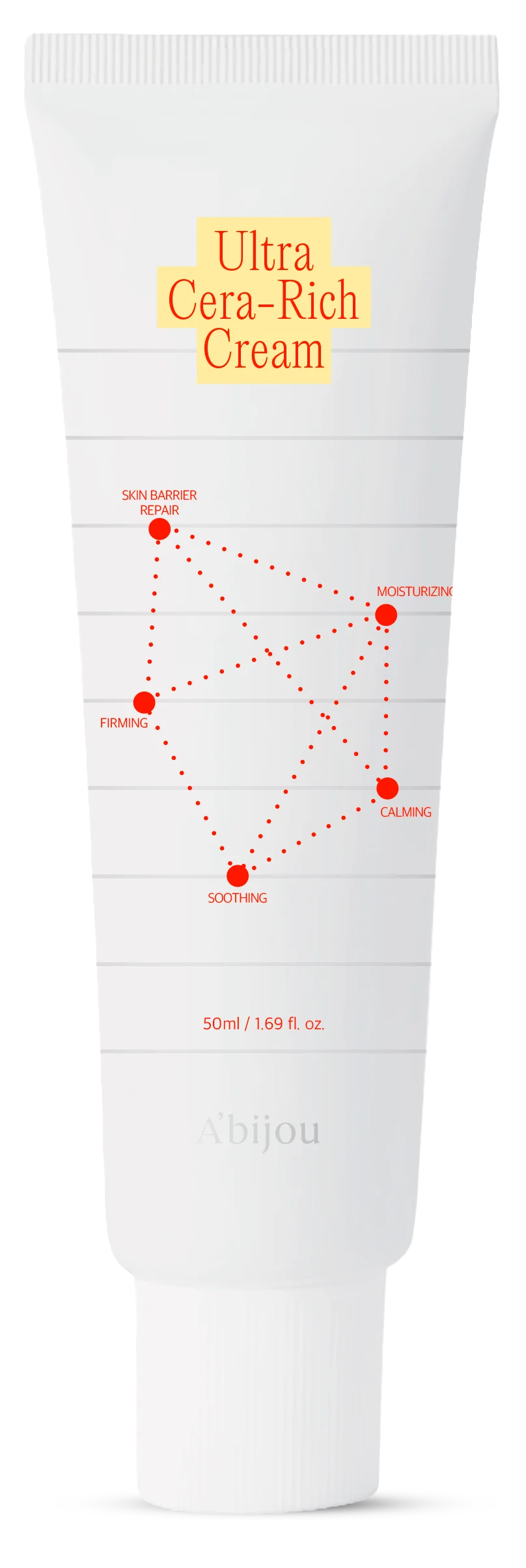 울트라 세라-리치 크림Buy
STEP 1 · 시술 직후 진정·장벽 케어