
Jawline Sagging Home Care: How Much Can You Really Manage at Home?
Jawline sagging is a natural change caused by a combination of declining skin elasticity and changes in underlying supportive tissue. While home care alone is unlikely to produce results comparable to professional treatments, it is entirely possible to maintain skin condition steadily through moisturizing, barrier care, and lifestyle management. The key is consistently supplying hydration and elasticity-care ingredients when skin feels dry or looks saggy, and if you're considering or have already had a lifting procedure, managing your skin condition before and after can significantly affect the perceived results.
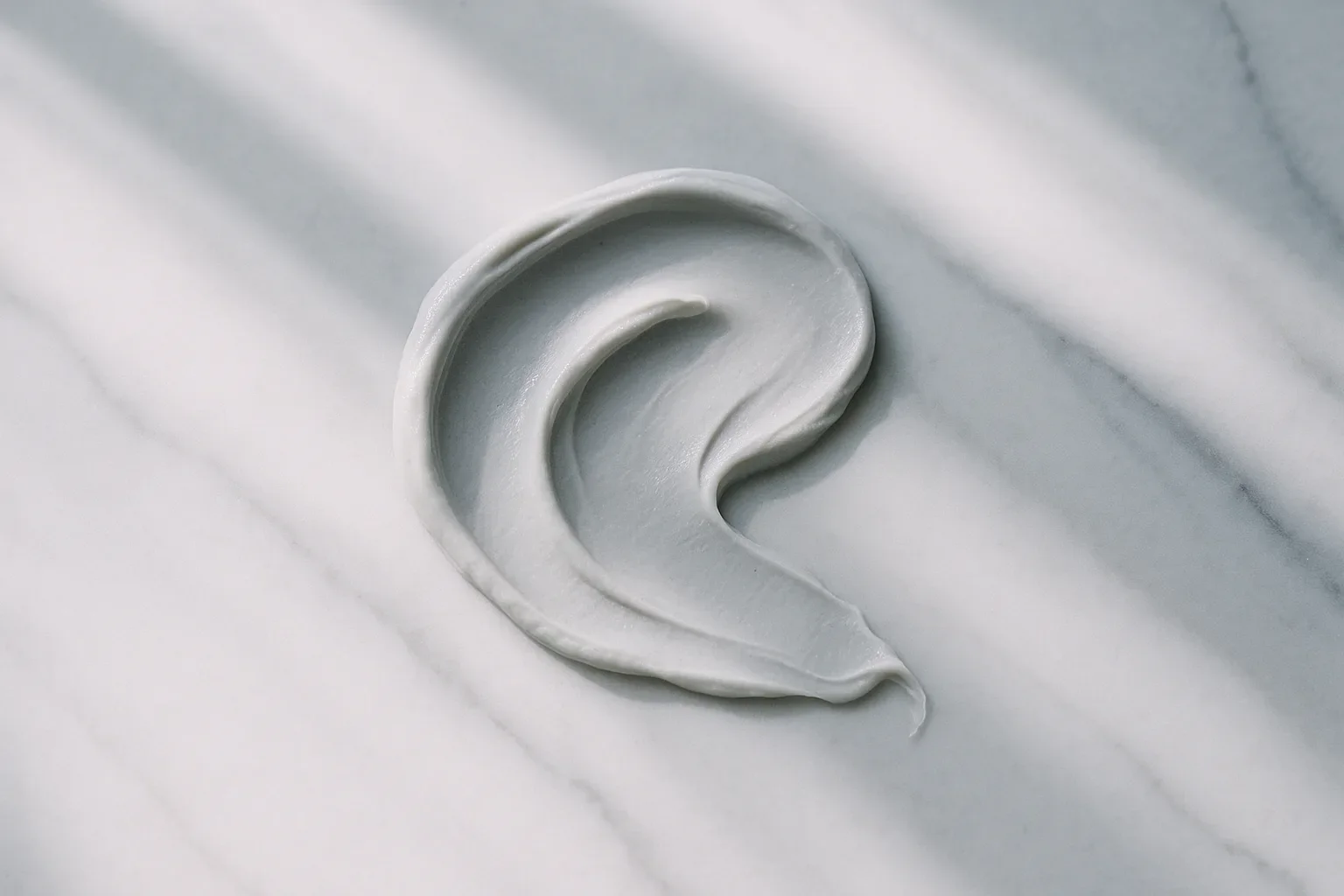
If your jawline looks blurred and the lower part of your face appears heavier every time you look in the mirror, it's likely not simply due to weight gain but rather a change in skin elasticity and supportive structure. As we age, collagen and elastin production gradually decreases, and the supportive strength of the deeper fat layers and fascia weakens, making the face more affected by gravity.
On top of this, factors like UV exposure, chronic dryness, and sudden weight fluctuations can make sagging appear more pronounced.
Why Does Jawline Sagging Occur — Understanding the Mechanism
For the jawline to appear clearly defined, overall balance is important—not just elasticity on the skin's surface, but also the fat layer, fascia, and bone structure beneath it. As collagen density in the dermis decreases and moisture retention drops over time, the skin itself becomes thinner and more prone to sagging.
In addition, lifestyle factors such as repetitive facial muscle movements, gravity, and sleeping posture can also affect the jawline. In other words, it's more accurate to view jawline sagging not as the result of a single cause, but as the cumulative effect of multiple factors.
Changes Over Time — Checking in Days and Weeks
Since sagging of the jawline is not a change that happens overnight, it tends to progress gradually over months or years rather than suddenly. However, there are times when, after lack of sleep, excessive drinking, or sudden dieting, skin can feel rough and less elastic within just a few days.
Such short-term declines in skin condition can often be recovered to some degree simply with enough sleep, hydration, and moisturizing care. On the other hand, sagging that persists for several months or longer often calls for professional skin care or treatments in addition to lifestyle management.
Step-by-Step Home Care — What You Can Start Today
The first step is moisturizing. When skin holds enough moisture, it's easier to maintain elastic, firm-looking skin texture, while dry skin can make fine lines and sagging appear more pronounced. Keep up a routine of filling in moisture with toner after cleansing, then finishing with a moisturizing cream.
The second step is sun protection. Since UV rays can accelerate collagen breakdown, making it a habit to apply SPF products daily can help with long-term skin elasticity care.
The third step is correcting lifestyle habits. Sufficient sleep, not smoking, and avoiding excessive drinking are the basics for maintaining overall skin condition. Habits like sleeping face-down or always on one side can also affect facial asymmetry and sagging, so it's worth checking your sleeping posture as well.
Finally, consistently using skincare products containing elasticity-care ingredients can also help. Ingredients like adenosine and niacinamide are representative ingredients used for skin texture and elasticity care.
If You're Already Considering or Have Received a Lifting Treatment
If changes feel slow with home care alone, many consider lifting treatments such as Ultherapy, Thermage, or Shurink. However, just as important as the treatment itself is managing skin condition before and after the procedure. Right after treatment, skin can become temporarily sensitive, and redness or warmth may be felt — and home care during this period can affect how well the skin's condition recovers afterward.
For those who have had skin booster treatments (Rejuran, Juvelook, Revive, etc.), moisturizing and soothing care right after the procedure and during the recovery period also play an important role.
Recovery After Treatment Depends on Home Care
The foundation of jawline-sagging home care ultimately comes down to 'consistent moisturizing and barrier care.' If you're planning a lifting or heat-energy treatment, a 2-STEP routine may help: for the first 1-3 days after the procedure, focus on soothing redness and warmth and barrier care with the Ultra Cera-Rich Cream (STEP1), and from day 4 onward during recovery, focus on deep hydration and skin texture condition care with the Hydro Re-Boosting Cream (STEP2). Even without a procedure, if your skin is normally dry and sensitive, both products can be used for moisturizing and soothing purposes.
물리적 자극으로 붉어진 피부의 붉은기 진정에 도움을 줄 수 있습니다. 개인차가 있을 수 있습니다.
출처 P&K 피부임상연구센타 시험성적서 (PNK-26224-RI2R)
손상된 장벽이 손상 전 수준으로 회복되는 데 도움을 줄 수 있습니다. 개인차가 있을 수 있습니다.
출처 P&K 피부임상연구센타 시험성적서 (PNK-26224-RI2R)
자극 후 건조함 케어에 도움을 줄 수 있습니다. 개인차가 있을 수 있습니다.
출처 P&K 피부임상연구센타 시험성적서 (PNK-26223-RI1R)
피부결 정돈에 도움을 줄 수 있습니다. 개인차가 있을 수 있습니다.
출처 P&K 피부임상연구센타 시험성적서 (PNK-26223-RI1R)
FAQ
- Can jawline sagging be improved with home care alone?
- Moisturizing and lifestyle management can help maintain skin condition, but this is a different approach from reversing sagging that has already progressed. Think of consistent home care as basic maintenance to protect skin elasticity, and if significant change is needed, it's best to consult a specialist to determine whether a procedure is appropriate.
- How long should I continue jawline sagging home care to feel results?
- Individual differences in skin condition changes are significant, but basic routines like moisturizing and sun protection generally need to be maintained for at least several weeks before changes become noticeable. Rather than expecting dramatic short-term results, it's recommended to approach this as a long-term care habit.
- How should I do home care after a lifting procedure?
- Right after a procedure, skin can become sensitive, so it's best to use low-irritation soothing and moisturizing products. Follow your doctor's guidance regarding washing or massaging the treated area, and continue to maintain basic moisturizing and sun protection.
- What kinds of elasticity-care ingredients are there?
- Adenosine and niacinamide are commonly used ingredients for skin texture and elasticity care. However, these ingredients tend to show better perceived effects when used consistently alongside overall skin barrier care.
Related products
 하이드로 리-부스팅 크림Buy
STEP 2 · 회복기 속보습
 울트라 세라-리치 크림Buy
STEP 1 · 시술 직후 진정·장벽 케어