
Laser Treatment for Facial Redness: How It Works and Post-Procedure Care
Facial redness occurs when blood vessels close to the skin's surface dilate, causing a visible reddish tint. Laser and IPL treatments work by delivering thermal energy to these dilated vessels to coagulate and constrict them. However, these procedures do not change the underlying constitutional tendency itself, and both the effect and how long it lasts can vary by individual, so whether to proceed and which method to choose should be decided through consultation with a specialist.
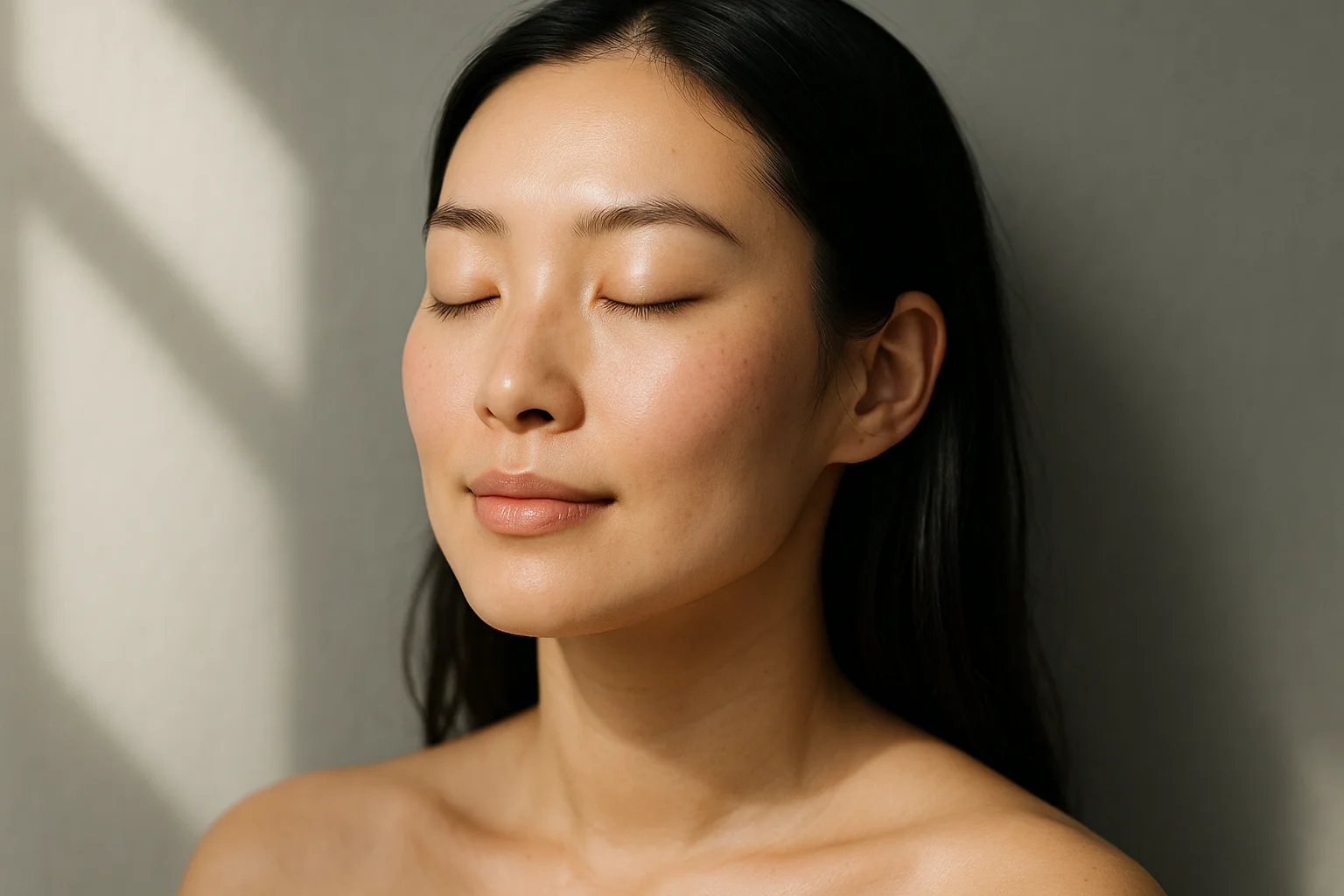
The redness around the cheeks and nose that catches your attention every time you look in the mirror is commonly called 'facial redness' or flushing. Many people whose faces flush easily in response to temperature changes or irritation look into treatment options, so this article covers why facial redness occurs, how laser and IPL treatments approach the issue, and how to care for your skin during the recovery period afterward.
- 1시술 직후일시적 붉어짐, 열감 가능 · 저자극 진정·장벽 케어 우선
- 2초기 회복기붉은기 서서히 완화 · 자외선 차단, 자극 최소화
- 3회복 안정기장벽 안정화 · 속보습 중심 케어로 전환
- 4경과 관찰체감·유지 기간 개인차 · 필요 시 추가 상담
Why Does Facial Redness Occur?
Facial redness is explained as a phenomenon in which the tiny blood vessels (capillaries) near the skin's surface dilate, causing a reddish hue to show through. Various factors—including temperature changes, UV exposure, stress, and a weakened skin barrier—are known to influence this vessel dilation, and since the cause and severity differ from person to person, an accurate diagnosis requires consultation with a specialist.
While redness sometimes flares up temporarily and then subsides, in cases where the vessels are chronically dilated, some people consider a procedural approach rather than expecting the redness to fade on its own.
How Laser and IPL Treatments Work
Laser or IPL (light-based) devices used for redness management utilize the principle that hemoglobin in blood vessels absorbs energy at a specific wavelength, which is instantly converted into thermal energy. This heat is described as being delivered to the dilated, problematic vessels, causing them to coagulate and constrict, gradually leading to their disappearance.
One distinction worth noting here is that this mechanism is not about newly 'restructuring' or 'remodeling' skin tissue, but rather a process of physically coagulating and constricting the already-dilated vessels themselves. In other words, the approach is fundamentally different from treatments aimed at collagen production or tissue remodeling.
While this mechanism is commonly described across various clinical materials, the number of sessions needed and the timing of visible results can vary depending on the severity and cause of the redness as well as the equipment and method chosen, making it difficult to generalize.
Effects, Limitations, and Downtime
Various sources note that while laser and IPL treatments aim to help reduce visible dilated vessels, they do not fundamentally change the underlying constitutional tendency for vessels to dilate easily. In other words, redness may reappear after treatment depending on triggering factors, and repeated care may be necessary.
Immediately after the procedure, temporary redness, a warm sensation, and mild swelling may occur, and these are generally known to subside over time. However, since the degree and duration of downtime can vary depending on individual skin condition, treatment area, and device settings, it's recommended to have a thorough consultation with a specialist beforehand and check what course of recovery to expect.
Why Skin Barrier Care Matters During Post-Procedure Recovery
After laser or IPL treatment, the skin barrier can be temporarily more sensitive. During this period, low-irritation soothing care that protects the skin from external stimuli and balances moisture and oil levels can be helpful.
In particular, a staged approach is commonly recommended: soothing the skin with low-irritation products focused on barrier care immediately after the procedure, then shifting to deep-moisture-focused care once the redness has settled down during the recovery phase.
Post-Procedure Recovery: Home Care Makes the Difference
Sensitive skin after a procedure can benefit from staged care. It's commonly suggested to use products focused on soothing and barrier care during the period right after the procedure when redness and irritation remain, then switch to products focused on deep moisture during the recovery phase once things have settled somewhat. AB0GE Cream is designed to align with this post-procedure care flow, consisting of STEP1 Ultra Cera-Rich (soothing and barrier care immediately after the procedure) and STEP2 Hydro Re-Boosting (deep-moisture care during recovery), offering a home care routine that can be used in stages according to your recovery phase. It's recommended to check the timing and method of product use together with guidance from the clinic where you received treatment.
FAQ
- How many sessions of laser treatment for facial redness are typically needed?
- The number of sessions needed can vary depending on the cause and severity of the redness, as well as the treatment method and equipment chosen, so it's difficult to give a one-size-fits-all answer. Since the timing of visible improvement and how long results last also differ by individual, it's important to consult a specialist and establish a plan suited to your specific skin condition.
- Does the treatment completely eliminate facial redness?
- Laser and IPL treatments aim to help reduce visible redness by coagulating and constricting dilated blood vessels, but they are known not to change the underlying constitutional tendency for vessels to dilate easily. Redness may reappear depending on triggering factors, which is why ongoing care is often recommended alongside the procedure.
- Can I use cosmetics during the downtime after the procedure?
- Since skin can be sensitive immediately after the procedure, it's commonly recommended to first use low-irritation products focused on soothing and barrier care, then switch to moisture-focused products as you move into the recovery phase. For specific timing and product choices, it's best to follow the guidance of the clinic where you received treatment.
- How should I protect my skin from sun exposure after redness treatment?
- Since the treated area may be temporarily more sensitive to irritation, it's generally recommended to minimize sun exposure and apply sunscreen thoroughly. Since specific care methods can vary depending on the treated area and individual skin condition, it's important to follow your specialist's guidance.
Medically reviewed by 아비쥬의원 의료진. (September 10, 2026)