
Madecassic Acid: Principle, Effects, and Why It's Beneficial for Skin After Procedures
Madecassic acid is a component derived from Centella asiatica, known to help soothe irritated skin and improve skin texture. It is particularly useful when the skin barrier is sensitized after procedures, but a comprehensive routine combining soothing, hydration, and barrier care is more important than a single ingredient. Below, we outline the mechanism of action and home care methods by stage.
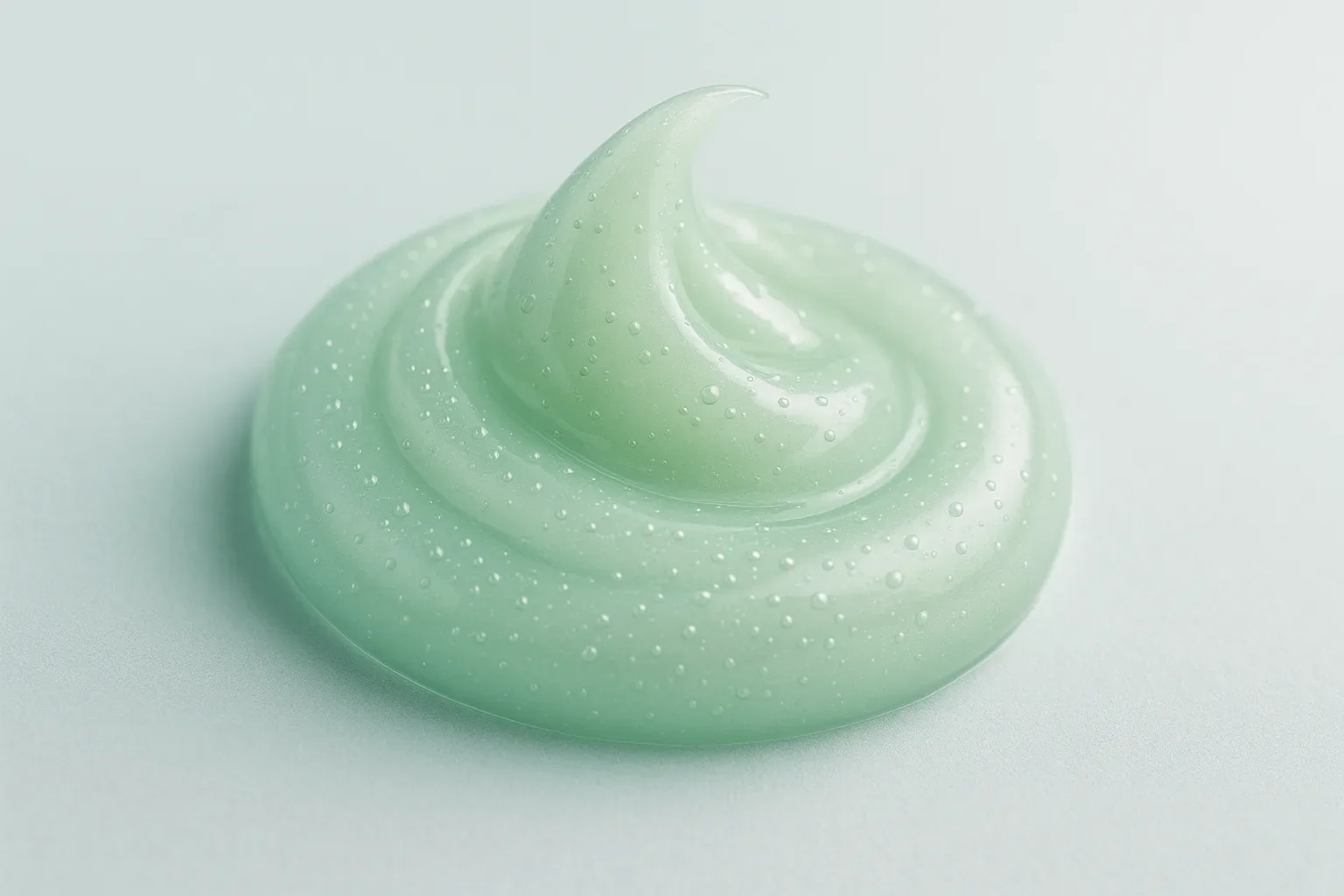
Madecassic acid is one of the triterpene components found in Centella asiatica (Centella) extract. In addition to madecassic acid, Centella-derived components are divided into asiatic acid, madecassoside, and asiaticoside, among others. Madecassic acid in particular is widely used in cosmetics as a care ingredient that calms irritated skin and refines skin texture.
After laser or lifting procedures, peels, or strong sun exposure when the skin barrier is thinned and sensitized, soothing care is key to home care. Madecassic acid gains attention because it can help soothe skin in such situations.
- 1Days 1–3Redness and heat sensation: prioritize soothing
- 2Days 4–7Tightness and dryness: hydration and barrier care
- 3Weeks 1–2Skin texture refinement and condition stabilization
How does madecassic acid work?
Madecassic acid is known to work by forming a thin protective layer on the skin surface, shielding the skin from external irritants and helping to calm reddened or sensitized skin texture. It is more accurate to understand it not as an ingredient that 'triggers' cell reconstruction or wound healing, but rather as one that assists in organizing and comfortably managing the condition of already-irritated skin.
In cosmetics, this ingredient is often combined with other soothing components such as panthenol, allantoin, and beta-glucan to create synergistic effects rather than being used alone. As multiple soothing ingredients work in layers, it can help sensitive skin find stability.
Post-procedure skin: how it changes over time
Heat sensation and redness are natural reactions immediately after lifting or laser procedures. During this period (approximately 1-3 days), the skin barrier is temporarily weakened and may react sensitively to friction or irritation.
After 3 days, redness and heat gradually subside, but you enter a phase (approximately 4-7 days) where inner tightness and dryness become more pronounced. During this time, it is helpful to focus on deep hydration and skin texture care rather than soothing.
After another 1-2 weeks, most skin conditions stabilize, though recovery speed may vary depending on individual skin condition and procedure intensity.
Step-by-step home care approach
Step 1 (immediately after procedure to day 3) prioritizes minimizing irritation. Apply products gently by tapping rather than rubbing, and apply a thick layer of cream containing soothing ingredients such as madecassoside, panthenol, or allantoin.
Step 2 (from day 4 onwards) is the phase to address inner tightness and dryness that appear as redness subsides. Using barrier care ingredients like ceramides along with hydrating ingredients that maintain moisture longer can help restore skin texture to pre-procedure conditions.
Common to both steps is the importance of maintaining basic skin protection habits such as sun protection, avoiding excessive exfoliation and massage, and cleansing with lukewarm water.
Post-procedure recovery depends on home care
Aligned with this timeline of phase-specific care, Abiju Cream is composed as a 2-STEP post-procedure recovery solution. STEP 1 Ultra Sera-Rich Cream is designed for use during days 1-3 immediately after the procedure when redness and heat remain, while STEP 2 Hydro Re-Boosting Cream is designed for use from day 4 onwards during the recovery phase when inner tightness and dryness are pronounced. Both products contain a complex of 5 types of ceramides, panthenol, allantoin, and other soothing and hydrating ingredients, and have been tested as non-irritating in human skin primary irritation tests.
물리적 자극으로 붉어진 피부의 붉은기 진정에 도움. 개인차가 있을 수 있습니다.
출처 P&K 피부임상연구센타 시험성적서 (PNK-26224-RI2R)
물리적 자극으로 손상된 장벽이 손상 전 수준으로 회복되는 데 도움. 개인차가 있을 수 있습니다.
출처 P&K 피부임상연구센타 시험성적서 (PNK-26224-RI2R)
피부결 정돈에 도움. 개인차가 있을 수 있습니다.
출처 P&K 피부임상연구센타 시험성적서 (PNK-26223-RI1R)
자극 후 건조함 케어에 도움. 개인차가 있을 수 있습니다.
출처 P&K 피부임상연구센타 시험성적서 (PNK-26223-RI1R)
FAQ
- What's the difference between madecassic acid and madecassoside?
- Both are triterpene components derived from Centella asiatica but differ in structure. Madecassic acid is in acid form, while madecassoside is in glycoside form. In cosmetics, they are often combined together for soothing and skin texture care purposes.
- Is madecassic acid safe for sensitive skin?
- Although widely used for soothing care, individual reactions may vary. When using it for the first time, it is recommended to test a small amount on the inner arm or similar area.
- When can I start applying madecassic acid cream after a procedure?
- Soothing care ingredients are often usable immediately after a procedure, but this can vary depending on the type of procedure and clinic guidance. It is best to follow your healthcare provider's recommendations first.
- Does applying madecassic acid alone fully restore the skin barrier?
- It is difficult to say that a single ingredient alone restores the barrier immediately. A routine combining soothing, hydration, and barrier care ingredients, along with sun protection and minimizing irritation through lifestyle habits, is more helpful for maintaining skin condition.
Related products
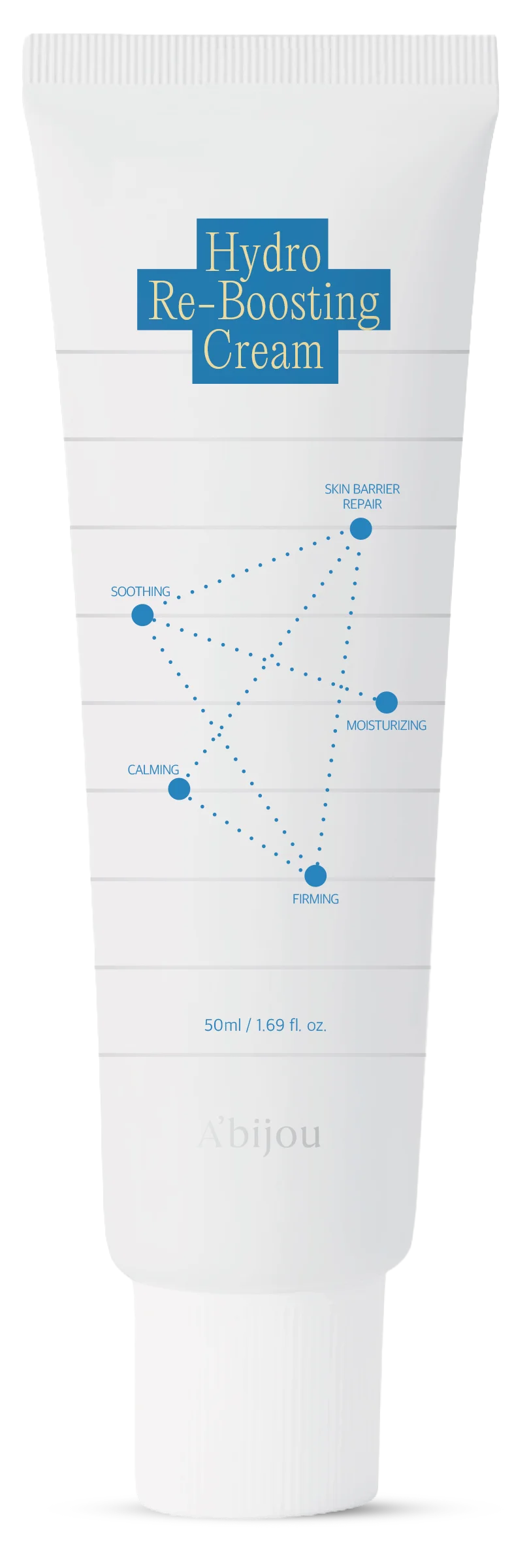 하이드로 리-부스팅 크림Buy
STEP 2 · 회복기 속보습
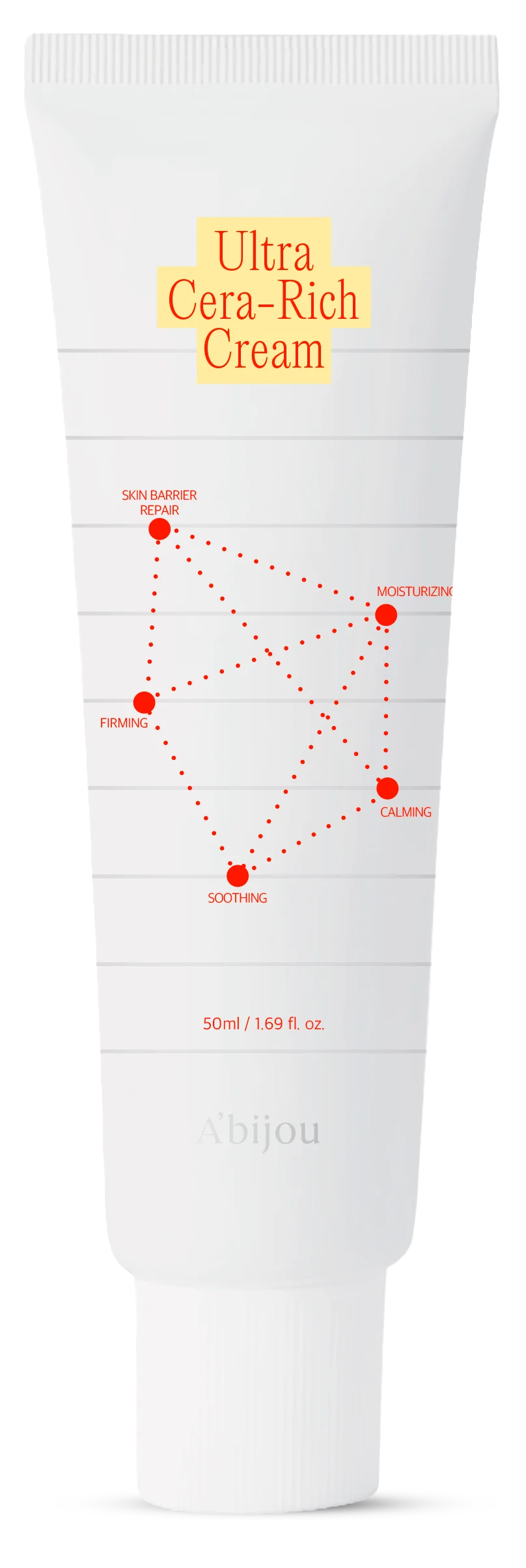 울트라 세라-리치 크림Buy
STEP 1 · 시술 직후 진정·장벽 케어