
How to Choose Madecassic Acid Products — Check This Before Looking at Concentration
Madecassic acid is an ingredient derived from Centella asiatica, commonly used in products for skin-soothing and barrier care. When selecting a product, it's important to consider not just the stated concentration number, but also the overall formulation design (accompanying ingredients, pH, irritation test results) and your skin condition (whether it's immediately post-procedure or routine maintenance). Especially during sensitive periods like post-procedure recovery, it's recommended to first check whether the product is formulated with complementary ingredients like ceramides and panthenol rather than focusing solely on madecassic acid.
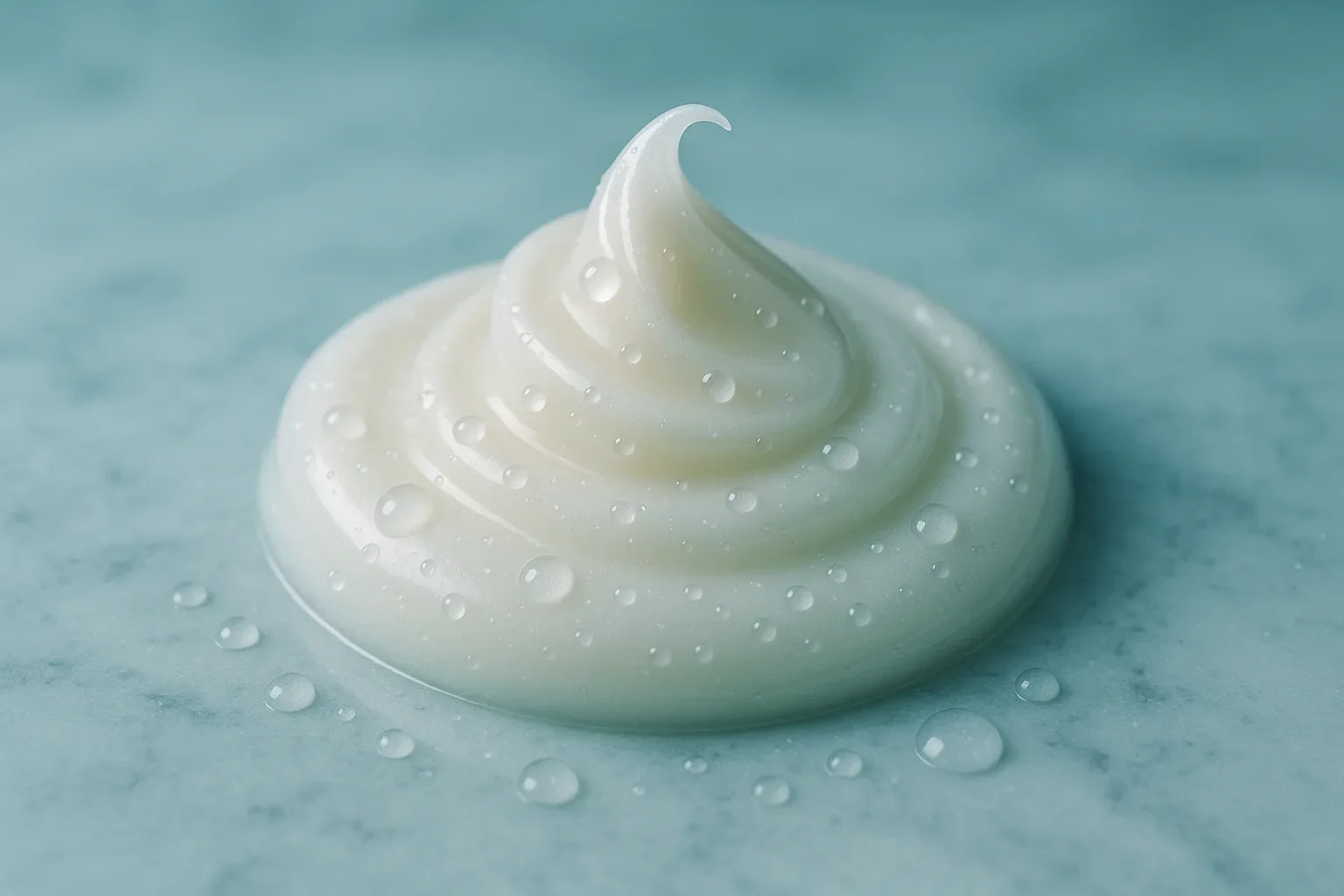
Madecassic acid is a triterpene-class ingredient isolated from Centella asiatica extract, known alongside asiatic acid and madecassoside as the 'Centella trio.' It's frequently formulated in cosmetics for soothing and skin-conditioning purposes, but choosing based on the name alone can cause you to miss the care your skin actually needs.
- 1Immediately after–Day 3Intense redness and heat; focus on soothing and barrier care
- 2Day 4–7Redness decreases; tightness and fine flaking begin
- 3Day 7 onwardTransition to deep hydration and skin texture care
How does madecassic acid work?
Centella-derived ingredients are known to support skin-surface soothing care and are used as supportive ingredients to 'help reduce irritation and soothe' within cosmetic regulatory guidelines. However, it's difficult to say that this ingredient alone can restore a damaged skin barrier or immediately eliminate irritation. The actual soothing and barrier-care benefits depend not only on madecassic acid concentration but also on its combination with other moisturizing and soothing ingredients like ceramides, panthenol, and allantoin, as well as the overall irritancy level of the formulation.
In other words, it is more practically important to examine 'what ingredients it is combined with, at what concentration and formulation it is designed' rather than just the phrase 'contains madecassoside.'
Why selection criteria should differ based on skin condition
If the goal is routine skin condition management, a gentle formulation containing madecassoside may be sufficient. However, the situation is different during times when skin becomes sensitive, such as immediately after laser or lifting procedures, or following peeling and strong irritation. During this period, skin often exhibits redness, dryness, and sensitivity simultaneously, so a formulation with densely designed barrier care ingredients should take priority over a single soothing component.
In the first to third days after treatment, heat sensation and redness are prominent, and it is common to transition to a period from the fourth day onward where redness subsides but tightness and fine flaking appear. Managing skin by adjusting the formulation according to these time-based changes can be more practically helpful than following the order of madecassoside notation on the ingredient list.
Pre-purchase checklist: what to look for beyond the ingredient list
First, verify that the product has passed a primary irritation test and received a non-irritating rating. Second, examine whether it contains ingredients similar to skin lipids, such as ceramides, cholesterol, and fatty acids, together with madecassoside rather than madecassoside alone. Third, it is worth noting whether human application tests have been conducted and results related to redness soothing or barrier care are disclosed with conditions. Fourth, it is advisable to distinguish whether your skin currently needs 'acute soothing post-irritation' or 'deep hydration and skin texture care after irritation subsides,' and choose a formulation suited to that stage.
Post-procedure recovery depends on home care
Considering these time-based changes, ABIJOU Cream proposes a two-stage approach tailored to the timing rather than relying solely on madecassoside. Days one to three post-procedure, focus on redness and barrier care with Ultra Cera-Rich Cream, formulated with five types of ceramides and panthenol; from day four onward when redness subsides, continue with Hydro Re-Boosting Cream to address tightness and skin texture care. Both products received a non-irritating rating in primary irritation tests.
물리적 자극으로 붉어진 피부의 붉은기 진정에 도움을 줄 수 있음. 개인차가 있을 수 있습니다.
출처 P&K 피부임상연구센타 시험성적서 (PNK-26224-RI2R)
손상된 장벽이 손상 전 수준으로 회복되는 데 도움을 줄 수 있음. 개인차가 있을 수 있습니다.
출처 P&K 피부임상연구센타 시험성적서 (PNK-26224-RI2R)
화학적 자극으로 붉어진 피부 진정에 도움을 줄 수 있음. 개인차가 있을 수 있습니다.
출처 P&K 피부임상연구센타 시험성적서 (PNK-26223-RI1R)
손상된 장벽이 손상 전 수준으로 회복되는 데 도움을 줄 수 있음. 개인차가 있을 수 있습니다.
출처 P&K 피부임상연구센타 시험성적서 (PNK-26223-RI1R)
FAQ
- Is a higher concentration of madecassic acid always better?
- It's difficult to determine effectiveness based on concentration alone. Since the composition of accompanying moisturizing and barrier-care ingredients and the overall irritancy of the formulation work together, examining the entire formulation design is a more practical standard than looking at concentration numbers.
- Can I use madecassic acid products immediately after a procedure?
- The irritancy level of the formulation should be considered before the ingredient itself. It's recommended to first check whether the product has received a non-irritant rating in primary skin irritation tests and whether it contains barrier-care ingredients like ceramides.
- What is the difference between madecassic acid and madecassoside?
- Both are Centella asiatica-derived triterpene ingredients known to provide similar soothing care effects, but their application methods may vary by product depending on their structure and formulation purpose. It's better to examine the entire formulation rather than the ingredient name alone.
- How many days after a procedure should I switch creams?
- In many cases, skin conditions differ between the immediate post-procedure period of 1–3 days (marked by redness and heat) and day 4 onward (when redness subsides but tightness begins). By observing these changes, you can consider gradually transitioning from a soothing-focused formulation to a deep-hydration-focused one.
Related products
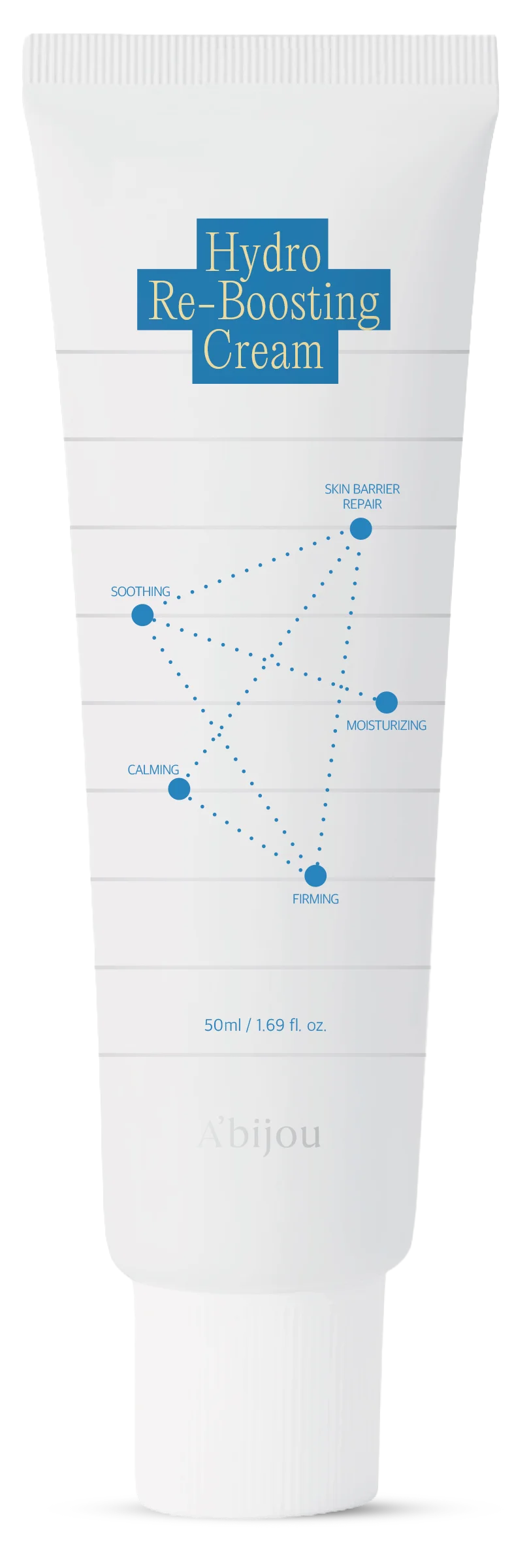 하이드로 리-부스팅 크림Buy
STEP 2 · 회복기 속보습
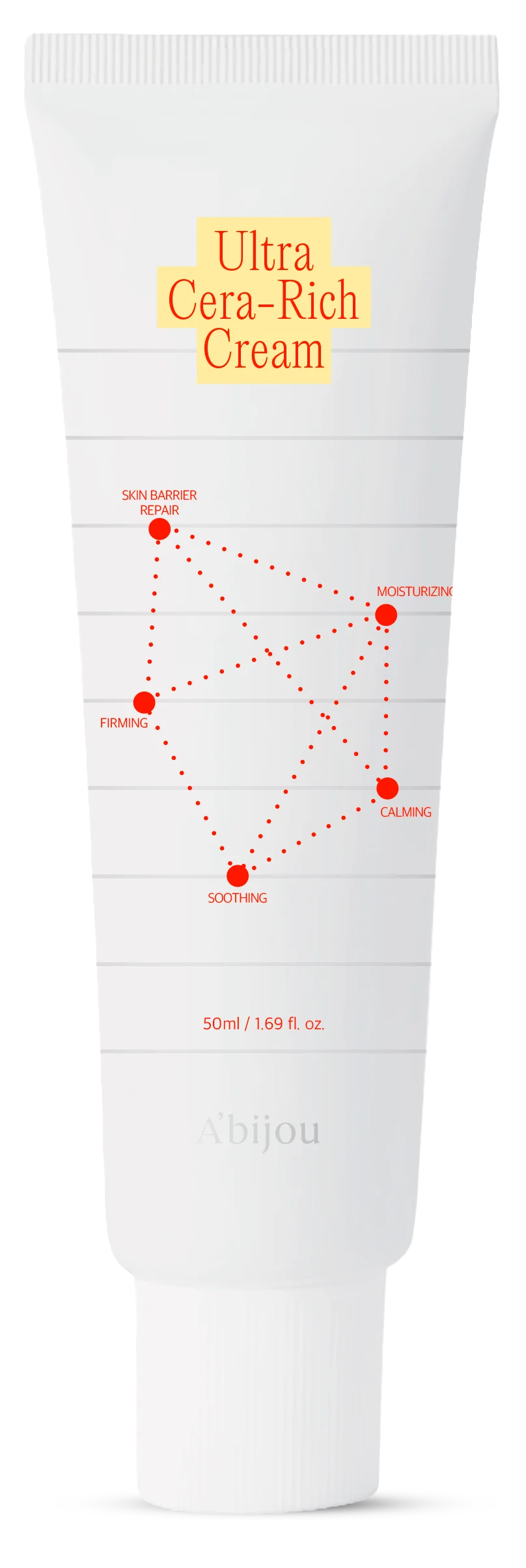 울트라 세라-리치 크림Buy
STEP 1 · 시술 직후 진정·장벽 케어