
Comparing Nasolabial Fold Treatment Options — Lifting vs Filler vs Skin Booster
Approaches to nasolabial folds vary depending on the cause (volume loss, skin sagging, reduced elasticity), and can broadly be divided into filler-based volume replenishment, lifting-based heat energy treatments, and skin booster-based texture and elasticity care. Whatever treatment is chosen, post-treatment skin care matters as much as the treatment itself in determining results, so it's important to plan step-by-step home care together with the procedure.
Nasolabial folds are deep wrinkles running from beside the nose to the corners of the mouth, and are one of the areas people become increasingly concerned about with age. However, even though they're grouped under the name 'nasolabial fold treatment,' there are actually several options with entirely different mechanisms of action.
This article first examines the mechanism behind the formation of nasolabial folds, then compares the differing approaches of representative treatment options, and finally covers post-treatment progress and home care.
- 11-3 days immediately after treatmentRedness and warmth, focus on soothing and barrier care
- 2Day 4 onward - recovery periodTightness and dryness, switch to deep moisturizing and texture care
- 3Maintenance periodStabilizing skin condition, consistent moisturizing routine
Why do nasolabial folds form?
Usually three factors work together to deepen nasolabial folds. First, volume loss from decreased fat and collagen in the cheek area. Second, changes as skin and soft tissue sag in the direction of gravity. Third, decreased elasticity and moisture retention in the skin itself.
Depending on which of these three factors plays a larger role, the suitable treatment direction may differ. So when looking into 'nasolabial fold treatment,' it's more important to first understand which type your skin condition is closer to, rather than focusing on a single treatment name.
Comparing treatment options: what's available
Volume-filling type: This method physically reduces wrinkle depth by filling sunken areas with fillers or similar materials. A key feature is that results tend to be felt relatively immediately.
Lifting/thermal energy type: Treatments such as Ultherapy, Thermage, Shurink, Onda, Titanium, and InMode work by delivering thermal energy to deep layers of the skin to lift sagging tissue. This approach targets sagging and elasticity issues rather than volume.
Skin booster type: Treatments such as Rejuran, Juvelook, Revive, and Laetigen Collagen Booster focus on managing the skin's own hydration, texture, and elasticity condition. Rather than dramatic immediate change, these often aim to improve overall skin condition.
These three approaches are not mutually exclusive, and it is common to combine them through consultation. However, one common point to remember is that regardless of which treatment is chosen, the skin becomes temporarily sensitive right after the procedure, and subsequent care can affect how long results last and how satisfied you are with them.
Post-treatment progress: what changes occur over the following days
In the immediate period after lifting/thermal energy treatments (days 1-3), redness, warmth, and slight tightness may appear in the treated area. During this period, the skin barrier is temporarily sensitive, so care that minimizes irritation is needed.
From day 4 onward, as redness and warmth gradually subside, the skin often moves into a stage of internal dryness, where it feels tight and dry from within. During this period, it is better to shift from soothing care to care focused on deep hydration.
Skin booster treatments follow a similar pattern, with a slight stinging sensation right after the procedure followed by a recovery period requiring hydration and texture refinement. Since individual differences can occur, it is important to primarily follow the guidance of your treating physician.
Step-by-step home care: adjusting according to timing
STEP 1 (days 1-3 immediately after treatment, redness/warmth stage): Focus on soothing and barrier care using a low-irritation formula. The key is to protect the skin by applying it gently, like a light layer, without rubbing.
STEP 2 (recovery period from day 4 onward, internal tightness/dryness stage): For the internal dryness that follows once redness subsides, it is good to switch to a formula rich in moisturizing ingredients to help with deep hydration and texture refinement.
Using only one product without dividing it into stages may not sufficiently meet the skin's different needs at each phase. Regardless of the type of treatment, keeping in mind the two-stage flow of 'soothing stage → deep hydration stage' makes it easier to plan your home care.
Where this connects to products
Designed to match this two-stage recovery flow is the 2-STEP configuration of the ABzu cream. Right after lifting/thermal energy treatments, the Ultra Cera-Rich Cream provides redness and barrier care, and once the recovery stage begins, the Hydro Re-Boosting Cream continues with deep hydration and texture care. The Hydro Re-Boosting Cream can also be used for moisturizing care during the recovery stage after skin booster treatments.
Recovery after treatment is shaped by home care
Right after lifting or thermal energy procedures, a 2-STEP routine may help: using Ultra Sera-Rich Cream to calm redness and care for the skin barrier, then switching to Hydro Re-Boosting Cream during the recovery phase to provide deep hydration and texture care.
물리적 자극으로 붉어진 피부의 붉은기 진정에 도움. 개인차가 있을 수 있습니다.
출처 P&K 피부임상연구센타 시험성적서 (PNK-26224-RI2R)
물리적 자극으로 손상된 장벽이 손상 전 수준으로 회복되는 데 도움. 개인차가 있을 수 있습니다.
출처 P&K 피부임상연구센타 시험성적서 (PNK-26224-RI2R)
자극 후 건조함 케어에 도움. 개인차가 있을 수 있습니다.
출처 P&K 피부임상연구센타 시험성적서 (PNK-26223-RI1R)
피부결 정돈에 도움. 개인차가 있을 수 있습니다.
출처 P&K 피부임상연구센타 시험성적서 (PNK-26223-RI1R)
FAQ
- Does the effect of a nasolabial fold treatment last after just one session?
- The duration of effect varies depending on the type of treatment and individual skin condition, and repeated treatments may be needed in some cases. It's best to check the exact duration through consultation with your attending physician.
- Can lifting treatments and fillers be received together?
- Treatments with different mechanisms of action are sometimes combined, but the timing and whether to combine them should always follow the judgment of your attending physician.
- How many days of redness after treatment is considered normal?
- It varies by treatment type, but redness or warmth often appears for about 1 to 3 days and then gradually subsides. If symptoms persist for a long time or worsen, contact the clinic where you had the procedure.
- When should I switch creams after treatment?
- It's generally known to match skin condition changes by using soothing, barrier-focused products during the initial redness/warmth stage (1-3 days), then switching to deep moisturizing products during the recovery stage when a tight feeling appears (from day 4 onward).
- Is skin booster treatment managed the same way as lifting treatment?
- The mechanisms of action differ, but since both follow a similar flow of temporary sensitivity followed by recovery after treatment, the general approach of initial soothing followed by moisturizing can be commonly referenced.
Related products
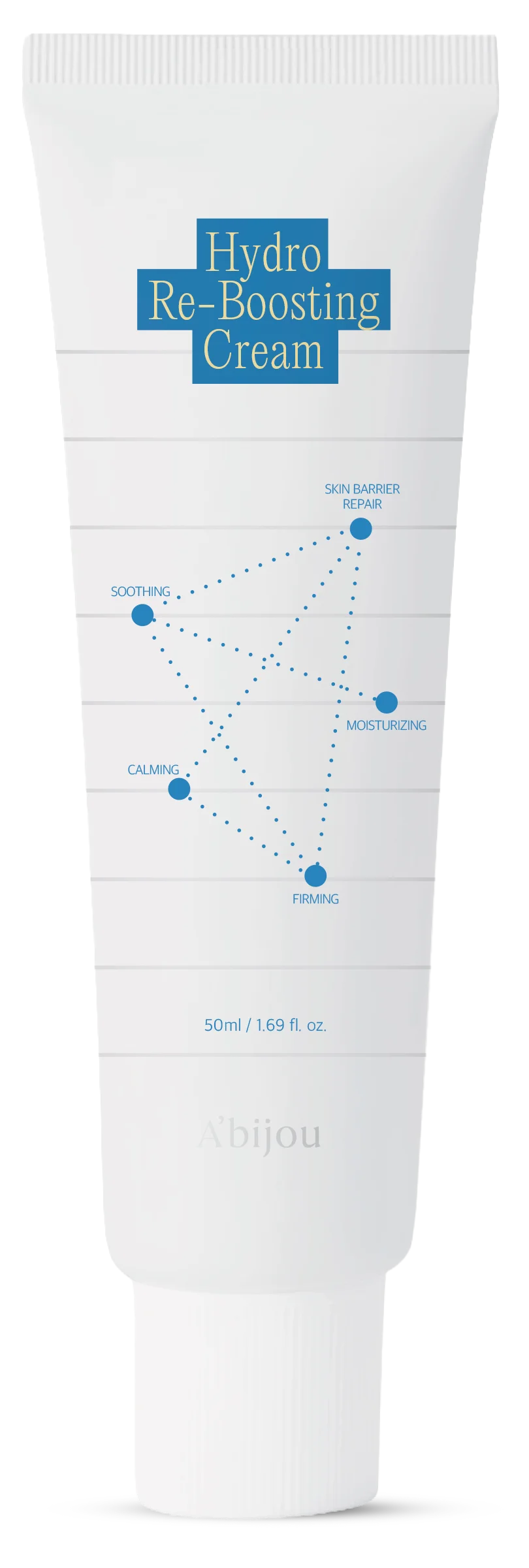 하이드로 리-부스팅 크림Buy
STEP 2 · 회복기 속보습
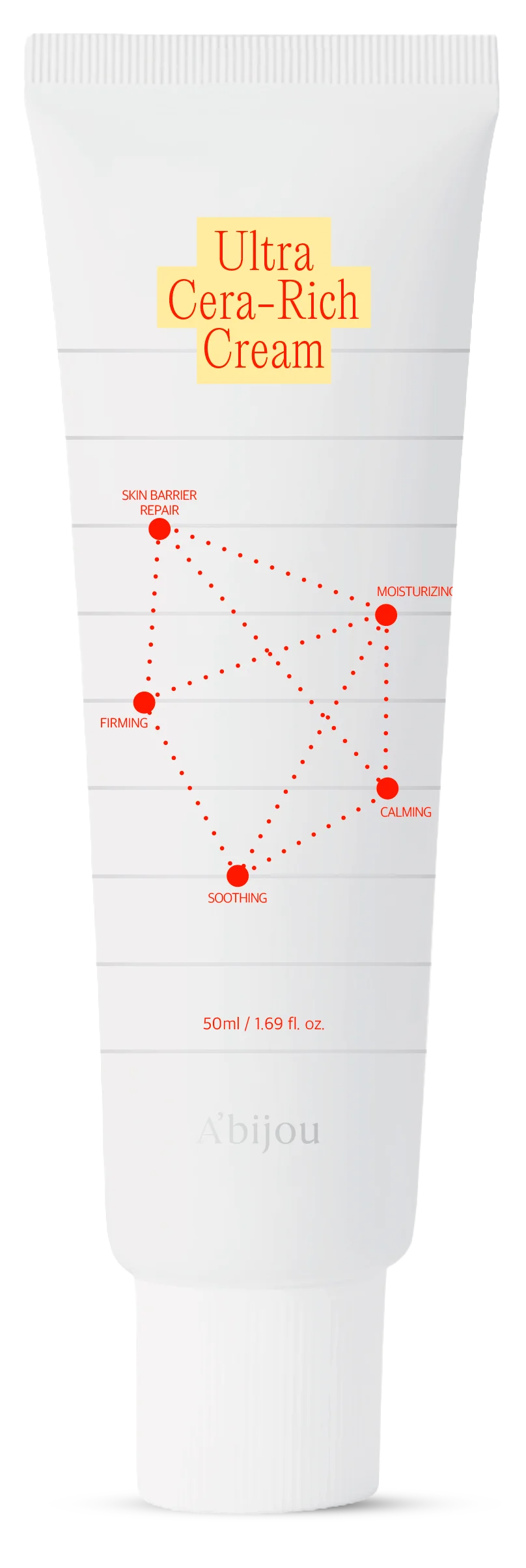 울트라 세라-리치 크림Buy
STEP 1 · 시술 직후 진정·장벽 케어