
Nasolabial Folds: Understanding the Causes and Treatment Options
Nasolabial folds are a natural sign of aging that result from a combination of reduced skin elasticity, volume loss, and repeated facial expressions. Depending on the underlying cause, different approaches such as fillers, lifting procedures, or skin boosters may be used, and tailored home care after treatment is important for maintaining the results. This article summarizes why nasolabial folds form, how they change over time, and how to manage them at each stage.
Nasolabial folds, which run from beside the nose toward the corners of the mouth, are one of the areas many people start to worry about first as they age. When a crease that used to appear only while smiling eventually becomes deeply set regardless of expression, many people turn to dermatology or plastic surgery clinics to look into ways to improve it.
- 1Days 1–3 right after treatmentRedness, warmth, and sensitivity; focus on soothing and barrier care
- 2Day 4 to 1 weekRedness subsides, tightness and dryness begin, switch to deep moisturizing
- 3After 2 weeksSkin texture and tone stabilize, treatment effects gradually become noticeable
Why Do Nasolabial Folds Form? Understanding the Mechanism
Nasolabial folds don't have a single cause but result from multiple overlapping factors. The biggest contributor is changes in fat and skin elasticity in the central cheek area. As we age, collagen and elastin production in the skin decreases, and the fat layer in the cheeks sags downward, weakening the support that once held up the skin. As a result, the boundary line beside the nose deepens as if folding.
Facial expression habits also play a role. When the muscles around the mouth move repeatedly while smiling or talking, creases accumulate in the skin, and if the skin's own moisture and elasticity have already declined, these creases become fixed more easily. In other words, it can be understood as a structure where 'reduced support' and 'repeated folding' work together.
Genetic factors such as cheekbone or jawline structure can also have an influence, and continuous UV exposure or dry skin conditions can accelerate the rate of elasticity loss.
How do improvement procedures differ in approach?
When considering ways to improve nasolabial folds, the commonly discussed methods generally fall into two directions. One is filler procedures that fill in sunken volume to smooth out the folded line, and the other is lifting procedures that pull up sagging skin and fascia to restore elasticity. Heat-energy-based lifting treatments such as Ultherapy, Thermage, and Shurink stimulate the collagen-producing environment in the deeper layers of the skin to improve overall sagging, while fillers focus on localized volume restoration.
Recently, it has become common to combine skin boosters such as Rejuran, Juvelook, and Revive to boost the skin's own hydration and elasticity together. Which method is suitable depends on the depth of the wrinkles, the degree of skin sagging, and the degree of volume loss, so it is important to consult a specialist to find the combination that fits one's own condition.
While the procedure methods vary, one point to keep in mind across the board is that how the skin recovers after the procedure is as important a variable in determining the outcome as the procedure itself. If redness or sensitivity right after the procedure does not settle down properly, the overall skin condition can appear dull.
Post-procedure progress, examined day by day
The 1 to 3 days right after the procedure are a period when slight redness, warmth, and tightness may appear at the treated area. Since the skin is temporarily sensitive after both filler and lifting procedures, it is best to minimize stimulation and focus on soothing during this period.
From day 4 to about a week, the redness and warmth noticeably subside, but it is common to move into a period where the skin feels tight and dry on the inside instead. At this point, it is natural to shift the care focus from soothing to deep hydration care.
From about 2 weeks onward, the skin texture and tone gradually stabilize, and the effects of the procedure gradually become visible. Skin condition management during this period can also affect overall satisfaction with the results.
Approaching step-by-step home care by period
During days 1 to 3, when redness and sensitivity appear right after the procedure, care should be taken to avoid irritating the skin—cleansing gently with lukewarm water, and applying a thick moisturizing layer without friction. Using products focused on soothing and barrier care during this period can be helpful.
From day 4 onward, when the redness subsides and inner tightness begins, the focus should shift to replenishing moisture. Even if the skin looks fine on the surface, the inside may still be dry, so it is good to switch to care that is lightly absorbed while still providing deep hydration.
After the second week, you can move on to a routine that manages both skin texture and elasticity together, and consistently maintaining sun protection and moisturizing helps keep the treatment results lasting longer.
2-STEP care to support recovery after treatment
In the initial 1 to 3 days after a procedure like a lifting treatment, when redness and heat are most concentrated, soothing and barrier care become essential, and the Ultra Cera-Rich Cream is designed for this exact period. Based on a complex of 5 types of ceramides similar to skin lipids, it can help form a protective barrier on irritated skin.
During the tightness phase that follows once redness has subsided (from day 4 onward), hydrating care is needed, and it makes sense to switch to a product focused on deep moisture, such as the Hydro Re-Boosting Cream. It is designed to be lightly absorbed with moisturizing and texture-care ingredients like panthenol and niacinamide.
Both products have been evaluated as non-irritating in human skin primary irritation tests, so they can be used step by step with relatively little burden even on skin that has become sensitive after a procedure.
Home care determines post-procedure recovery
Just as important as choosing a treatment method is understanding what state the skin goes through in the days following the procedure and caring for it accordingly, which plays a key role in maintaining results for longer. The ZXQMAGAZINETERM Avezoom Cream ZXQ is a 2-STEP solution consisting of the Ultra Cera-Rich Cream for the period right after a procedure when soothing and barrier care are needed, and the Hydro Re-Boosting Cream tailored to the recovery phase when tightness begins. Learn more → ZXQMAGAZINETERM Avezoom Cream ZXQ
물리적 자극으로 붉어진 피부의 붉은기 진정에 도움. 개인차가 있을 수 있습니다.
출처 P&K 피부임상연구센타 시험성적서 (PNK-26224-RI2R)
손상된 장벽이 손상 전 수준으로 회복되는 데 도움. 개인차가 있을 수 있습니다.
출처 P&K 피부임상연구센타 시험성적서 (PNK-26224-RI2R)
사용 24시간 후에도 보습 수치 유지에 도움. 개인차가 있을 수 있습니다.
출처 P&K 피부임상연구센타 시험성적서 (PNK-26223-RI1R)
피부결 정돈에 도움. 개인차가 있을 수 있습니다.
출처 P&K 피부임상연구센타 시험성적서 (PNK-26223-RI1R)
FAQ
- Can nasolabial folds appear even in younger people?
- Yes, depending on genetic factors such as cheekbone or jawline structure and skin elasticity, nasolabial folds can appear noticeable even in people in their 20s and 30s. Facial expression habits and dry skin condition can also play a role, so age alone isn't a reliable indicator.
- Can I wear makeup right after a nasolabial fold treatment?
- This depends on the type of treatment and your skin condition, so it's best to follow your doctor's specific guidance. Generally, since the skin is sensitive right after treatment, it's advisable to prioritize soothing care with low-irritation products.
- How many days does redness typically take to fade after treatment?
- This varies depending on the type of treatment and individual skin condition, but redness and warmth are generally most noticeable in the first 1 to 3 days and gradually subside afterward. During this period, minimizing irritation and focusing on soothing care can be helpful.
- Which is more effective for nasolabial folds, fillers or lifting treatments?
- The most suitable method can vary depending on whether the folds are mainly caused by volume loss or skin sagging. Many cases involve a combination of both approaches, so it's recommended to consult a specialist to assess your specific condition.
- In what order should I apply creams after treatment?
- While redness and sensitivity remain in the early stage, it's generally recommended to use soothing and barrier-care products first, then switch to deep moisturizing products once that subsides and a feeling of tightness begins, following a gradual, stage-based approach.
Related products
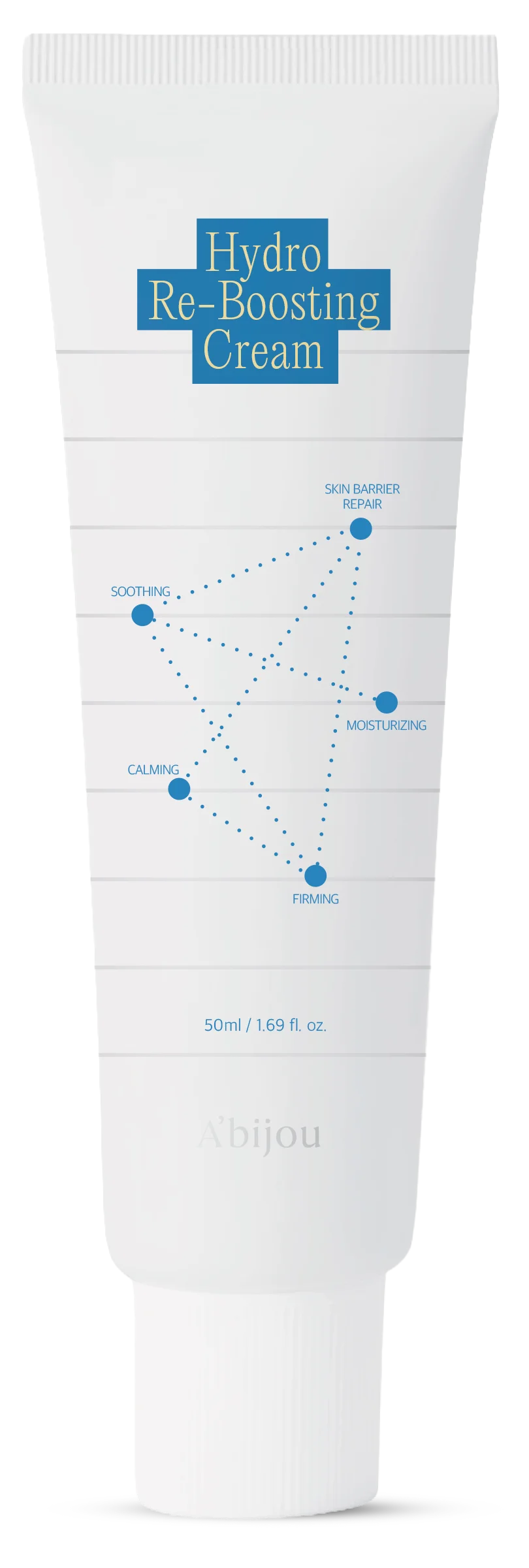 하이드로 리-부스팅 크림Buy
STEP 2 · 회복기 속보습
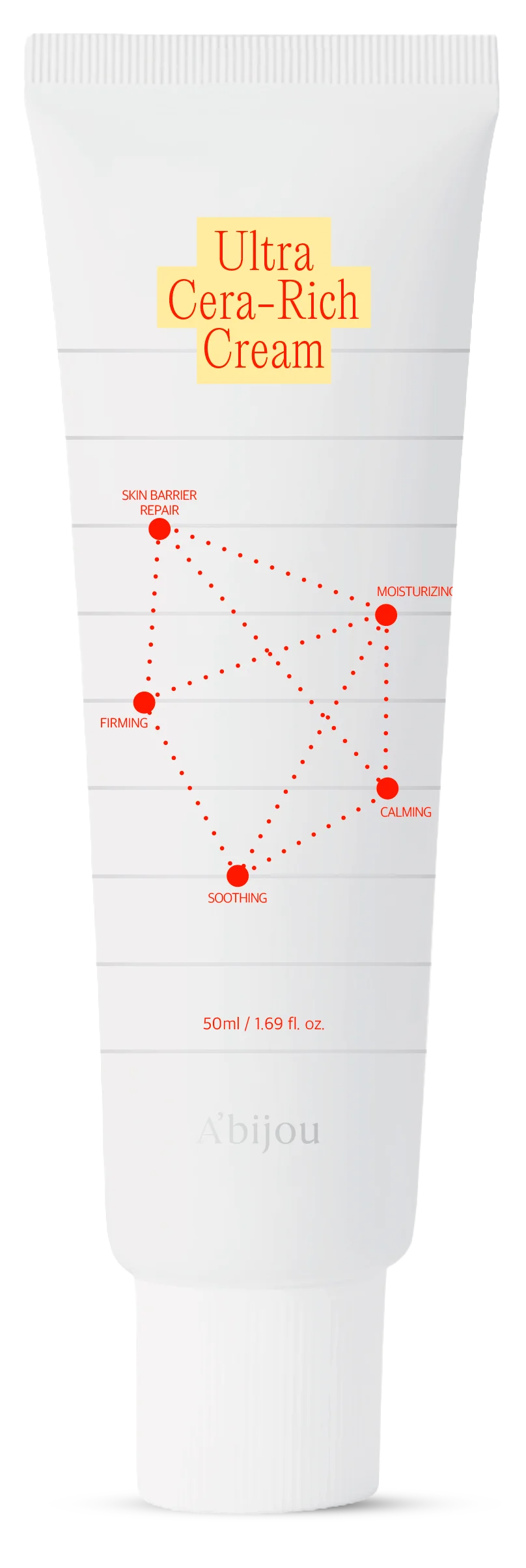 울트라 세라-리치 크림Buy
STEP 1 · 시술 직후 진정·장벽 케어