
Understanding Neck Wrinkle Causes and Improvement Treatments
Neck wrinkles often result from the thin structure of the skin itself, reduced elasticity caused by UV exposure and gravity, and the habit of looking down at smartphones. In the early stages, home care such as moisturizing and posture correction can help manage skin texture, but deeply set wrinkles are often addressed through dermatology consultations considering treatments like lifting procedures. Regardless of the method chosen, post-treatment skin condition management plays a key role in the outcome, so it's important to also understand the proper home care routine.
The neck is often called an 'indicator of youthfulness' because it tends to show age easily. Compared to the face, it has fewer sebaceous glands and a thinner skin layer, making it harder to retain moisture and oil. Unlike the face, which moves frequently with expressions, the neck tends to stay in a relatively fixed position, making it prone to repeated creasing in the same spots. This article will look at why neck wrinkles form, how they change over time, and what care methods can be practiced at home.
- 1Early Stage (Only When Looking Down)A stage where fine lines appear only when the skin folds
- 2Progressing (Visible Even at Rest)A stage where dryness and reduced elasticity combine, setting the wrinkles in place
- 3Considering Treatment ConsultationA stage where treatments like lifting are considered after a dermatology consultation
- 41–3 Days After TreatmentA period when redness and sensitivity remain, requiring soothing care
- 5From Day 4 OnwardA period when internal tightness remains, calling for continued deep moisturizing care
Why Do Neck Wrinkles Form?
The skin on the neck is known to be thinner than facial skin, with lower sebaceous gland and collagen density, making it more sensitive to external stimuli. When cumulative UV exposure is added to this, the fibrous tissue that supports skin elasticity gradually weakens, and sagging caused by gravity makes horizontal wrinkles more likely to settle in.
Recently, 'turtle neck' posture or the habit of looking down at a smartphone for long periods has also been cited as a major cause of neck wrinkles. When the head-down posture is repeated, the same area of skin keeps folding, creating fine wrinkles in the stratum corneum, and if this continues for a long time, it can remain as a deep wrinkle that doesn't disappear even after changing posture. In other words, neck wrinkles can be seen as the result of skin structural characteristics, cumulative UV exposure, and lifestyle habits working together, not simply 'getting older.'
How do neck wrinkles progress?
In the early stages, a faint line may appear only when the head is lowered, but as dryness and reduced elasticity repeat, it often progresses to a stage where the wrinkle is noticeable even at rest. During this period, the skin often feels both tight and rough, so it can help to look at skin texture and hydration levels together rather than focusing solely on the wrinkle itself.
At the stage where wrinkles deepen and a dermatology consultation is being considered, lifting-type procedures are often mentioned. However, whichever procedure is chosen, the skin can become temporarily sensitive right after the treatment, and it's worth remembering that skincare during this period can affect how quickly the skin's condition recovers afterward.
Here's how to care for neck wrinkles at home
The neck is an area where simply being diligent about applying sunscreen can lead to noticeable changes. Many people apply sunscreen only to the face and skip the neck, so it's good to develop the habit of applying it evenly down to the neck as well.
Adjusting your posture to keep your smartphone or monitor at eye level to reduce looking down can also help in the long run. In addition, continuing moisturizer application down to the neck after cleansing can help prevent dryness and support smoother skin texture.
If you've recently had a lifting procedure, your skin is more sensitive than usual, so it's important to avoid harsh cleansing or friction and focus on soothing and moisturizing home care. Since the care needed changes by stage, choosing products suited to each stage is key to managing your skin's condition.
Recovery after a procedure depends on home care
Right after lifting or thermal energy-based procedures, the skin tends to become red and sensitive, so it's best to use products that minimize irritation while focusing on soothing and barrier care during this period. ZXQMAGAZINETERMABIJU Ultra Cera-Rich CreamZXQ is designed to support barrier care with ingredients similar to the skin's own lipids, such as 5 types of ceramides, for the 1–3 day period right after a procedure. From day 4 onward, once redness has subsided but an inner tightness remains, a 2-STEP routine can be considered, continuing with ZXQMAGAZINETERMHydro Re-Boosting CreamZXQ for deep moisture care.
물리적 자극으로 붉어진 피부의 진정에 도움. 개인차가 있을 수 있습니다.
출처 P&K 피부임상연구센타 시험성적서 (PNK-26224-RI2R)
손상된 장벽이 손상 전 수준으로 회복되는 데 도움. 개인차가 있을 수 있습니다.
출처 P&K 피부임상연구센타 시험성적서 (PNK-26224-RI2R)
피부결 정돈에 도움. 개인차가 있을 수 있습니다.
출처 P&K 피부임상연구센타 시험성적서 (PNK-26223-RI1R)
사용 24시간 후에도 보습 수치 유지에 도움. 개인차가 있을 수 있습니다.
출처 P&K 피부임상연구센타 시험성적서 (PNK-26223-RI1R)
FAQ
- At what age do neck wrinkles start to appear?
- There's no fixed age. Accumulated UV exposure, dry skin, and the habit of looking down at smartphones can cause fine wrinkles to appear even in your 20s or 30s, while consistent sun protection and moisturizing can delay their appearance.
- Is applying lotion alone effective for neck wrinkles?
- For early, fine wrinkles, consistent moisturizing and sun protection alone can noticeably improve skin texture. However, for wrinkles that are already deeply set, home care alone may have limitations, so it's advisable to consult a dermatologist about possible treatments.
- When can I apply lotion to my neck after a lifting treatment?
- This varies depending on the type of treatment and skin condition, so it's important to follow your doctor's guidance first. Generally, it's recommended to start with a small amount of a low-irritation product and observe how the skin responds.
- Is it normal for the skin to feel tight and dry after a neck wrinkle treatment?
- Even after the initial redness subsides, the skin may still feel tight or rough on the inside. During this period, avoiding irritating products and focusing on moisturizing care can help manage skin condition. If symptoms persist, contact the clinic where you received the treatment.
Related products
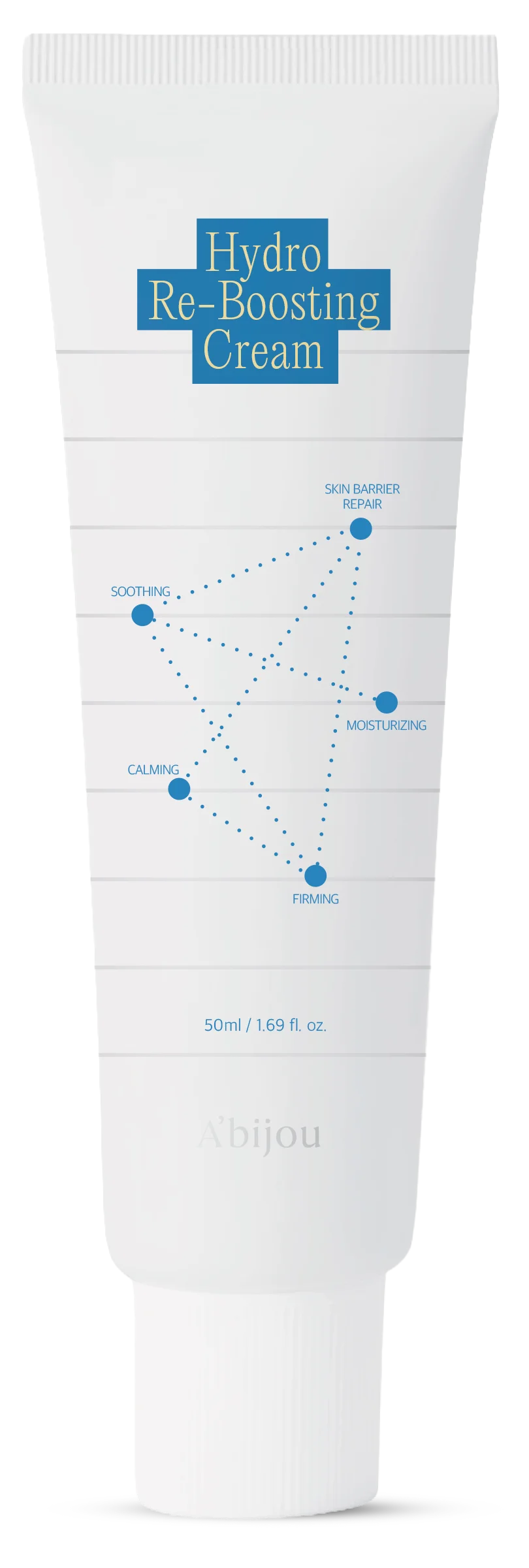 하이드로 리-부스팅 크림Buy
STEP 2 · 회복기 속보습
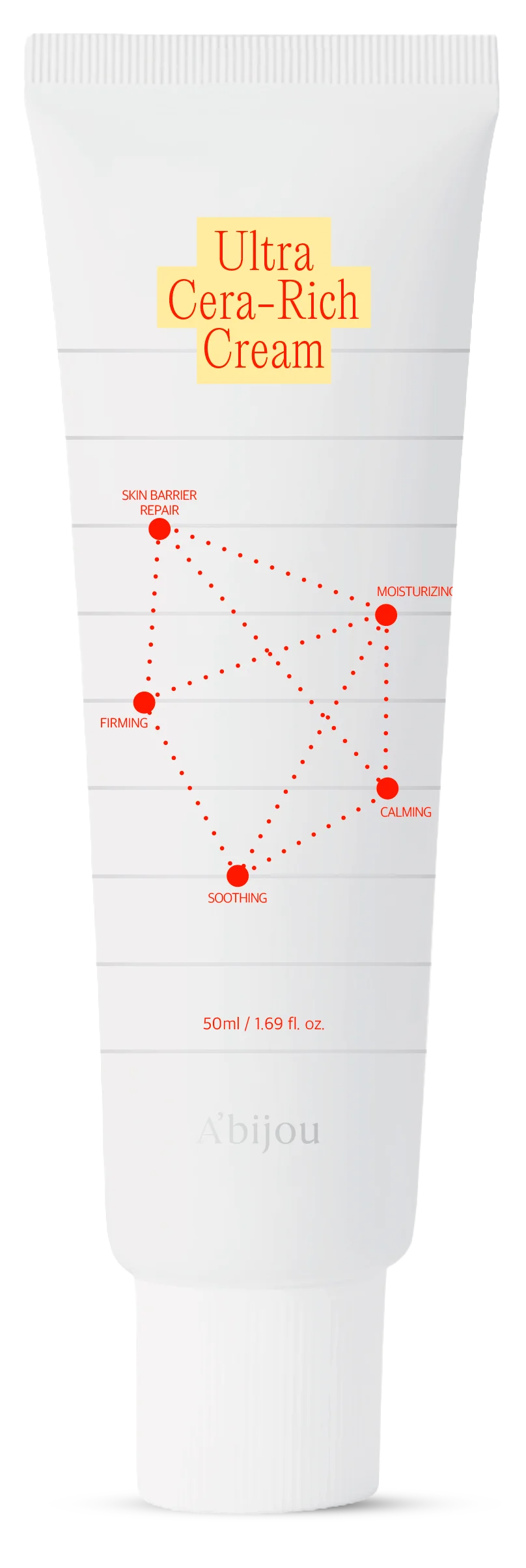 울트라 세라-리치 크림Buy
STEP 1 · 시술 직후 진정·장벽 케어