
Comparing Neck Wrinkle Treatment Options: Which One Is Right for You?
Neck wrinkle treatments are broadly divided into lifting-type procedures (Ultherapy, Thermage, Shurink, InMode, etc.) that use thermal energy to help remodel collagen, and skin booster-type treatments (Rejuran, Juvelook, Revive, etc.) that focus on hydration and volume. The suitable approach depends on the cause of neck wrinkles (reduced skin elasticity, fascia laxity, dryness) and one's lifestyle, and regardless of the treatment chosen, home care right after the procedure plays an important role in maintaining results.
The neck has fewer sebaceous glands and thinner skin than the face, making it a spot where fine lines and sagging tend to appear first. This is why many people search for 'neck wrinkle treatments,' but once they actually go in for a consultation, they can easily get confused by the sheer number of options—from Ultherapy, Thermage, Shurink, and InMode to skin boosters like Rejuran and Juvelook.
This article organizes how treatment types differ depending on the cause of neck wrinkles, and how the working principle and recovery period differ between each approach. It's structured around information that can be useful to reference during a consultation before deciding on a treatment.
- 11–3 days right after treatmentRedness and warmth, focus on soothing care
- 2Days 4–7Inner tightness and dryness begin, shift to deep-hydration care
- 3After thatRefining skin texture and maintaining condition
Why Do Neck Wrinkles Form?
Neck wrinkles generally result from a combination of three factors. The first is reduced elasticity of the skin itself, where declining collagen and elastin density leads to horizontal wrinkles on the surface. The second is laxity of the fascia (SMAS) and muscles beneath the neck, causing overall sagging from the jawline down to the neck. The third is skin dryness and lack of moisture, where a thin, parched stratum corneum makes fine lines appear more pronounced.
Lifting procedures mainly address the first and second causes, meaning they induce collagen production in the deep layers of the skin or deliver thermal energy to the fascial layer to boost elasticity. Skin boosters, on the other hand, focus on the third cause, replenishing moisture and volume in the superficial layer of the skin to ease wrinkles.
How Each Procedure Option Works
Ultherapy, Thermage, Shurink, Oneda, Titanium, InMode, and similar procedures are thermal energy-based treatments that use radiofrequency (RF) or ultrasound (HIFU) energy to reach deep skin layers and stimulate collagen remodeling. Since the depth and method of energy delivery differ by device, the timing of visible effects and the level of discomfort may vary.
Skin boosters such as Rejuran, Juvelook, Revive, and Laetigen Collagen Booster work by injecting moisturizing and remodeling-supportive ingredients into the dermal layer to fill in skin texture and hydration. For thin, easily dried areas like the neck, these are often used alone or combined with lifting procedures.
With both approaches, temporary redness, warmth, and tingling may appear immediately after the procedure, which is within the normal range of reactions. Regardless of which procedure you choose, it's advisable to discuss the cause of your neck wrinkles and your skin condition during the consultation.
Recovery After the Procedure Varies by Stage
The first 1 to 3 days after a thermal energy-based lifting procedure are when redness and slight warmth remain. Since the skin is sensitive during this time, it's important to avoid UV exposure, friction, and hot water when washing your face, and to minimize irritation.
From day 4 onward, as the redness subsides, a tight and dry feeling beneath the skin may become more noticeable. This is a stage in which the skin's barrier function is gradually recovering, making deep hydration care important.
With skin booster procedures as well, swelling and minor irritation may persist for a few days right after treatment, often followed by a gradual improvement in skin texture. Regardless of the type of procedure, keeping in mind the two-stage flow of 'initial soothing, then deep hydration' can help you time your home care appropriately.
A Step-by-Step Approach to Home Care
For the first 1 to 3 days after the procedure, soothing the skin is the top priority. Wash gently with lukewarm water and apply a low-irritation cream by patting rather than rubbing, to help calm redness and warmth.
From day 4 onward, shift to hydration-focused care to address tightness and dryness. Choosing a formula that hydrates down to the skin's stratum corneum and smooths skin texture can help support the sense of recovery.
For those who received skin booster treatments, a similar approach applies: focusing on soothing early on and then shifting to deep hydration care can help maintain stable skin condition.
Aftercare Can Make or Break Your Results
Regardless of which neck wrinkle procedure you choose, the care you provide in the days following the treatment can be just as influential as the procedure itself in determining how quickly your skin recovers. Neglecting irritated skin right after a procedure can prolong dryness and sensitivity, so it's wise to familiarize yourself with a home care routine suited to each stage in advance.
Home Care Makes the Difference in Post-Procedure Recovery
If you have received lifting or heat-energy-based procedures (Ultherapy, Thermage, Shurink, Onda, Titanium, InMode), it may help to use the Ultra Cera-Rich Cream for redness and barrier care in the first 1-3 days afterward, and then from day 4 onward, when tightness begins to set in, gradually switch to the Hydro Re-Boosting Cream, which helps with deep hydration and skin texture care. After skin booster procedures (Rejuran, Juvelook, Revive, Laetigen Collagen Booster), you can also build your home care routine with the same 2-STEP approach.
물리적 자극으로 붉어진 피부의 붉은기가 손상 전 수준으로 회복되는 데 도움. 개인차가 있을 수 있습니다.
출처 P&K 피부임상연구센타 시험성적서 (PNK-26224-RI2R)
물리적 자극으로 손상된 장벽이 손상 전 수준으로 회복되는 데 도움. 개인차가 있을 수 있습니다.
출처 P&K 피부임상연구센타 시험성적서 (PNK-26224-RI2R)
화학적 자극으로 붉어진 피부가 진정되는 데 도움. 개인차가 있을 수 있습니다.
출처 P&K 피부임상연구센타 시험성적서 (PNK-26223-RI1R)
화학적 자극으로 거칠어진 피부결이 손상 전 수준으로 회복되는 데 도움. 개인차가 있을 수 있습니다.
출처 P&K 피부임상연구센타 시험성적서 (PNK-26223-RI1R)
FAQ
- Should I start with a lifting treatment or a skin booster for neck wrinkles?
- If neck wrinkles are mainly due to reduced elasticity or sagging, a thermal energy-based lifting treatment may be more suitable, while if dryness and fine lines are more prominent, a skin booster may be a better fit. However, individual skin condition and neck line should be checked directly through a consultation for accuracy.
- How long does redness last after a neck wrinkle treatment?
- This varies depending on the type of treatment and individual differences, but redness typically subsides within 1 to 3 days in many cases. During this period, it's best to minimize irritation and focus on soothing, low-irritation care.
- Can lifting treatments and skin boosters be combined?
- Some people do combine them, but whether combination is appropriate and the interval between treatments depends on individual skin condition, so it's safer to decide after consulting with your practitioner.
- From which day after treatment should I focus on moisturizing care?
- In general, many people start to feel inner tightness and dryness around day 4, once the initial redness has subsided, so it's recommended to shift toward deep-hydration-focused care from around this point.
- How long do the effects of neck wrinkle treatments last?
- The duration of effects can vary depending on the type of treatment, individual skin condition, and lifestyle habits. It's best to check the expected duration during a pre-treatment consultation.
Related products
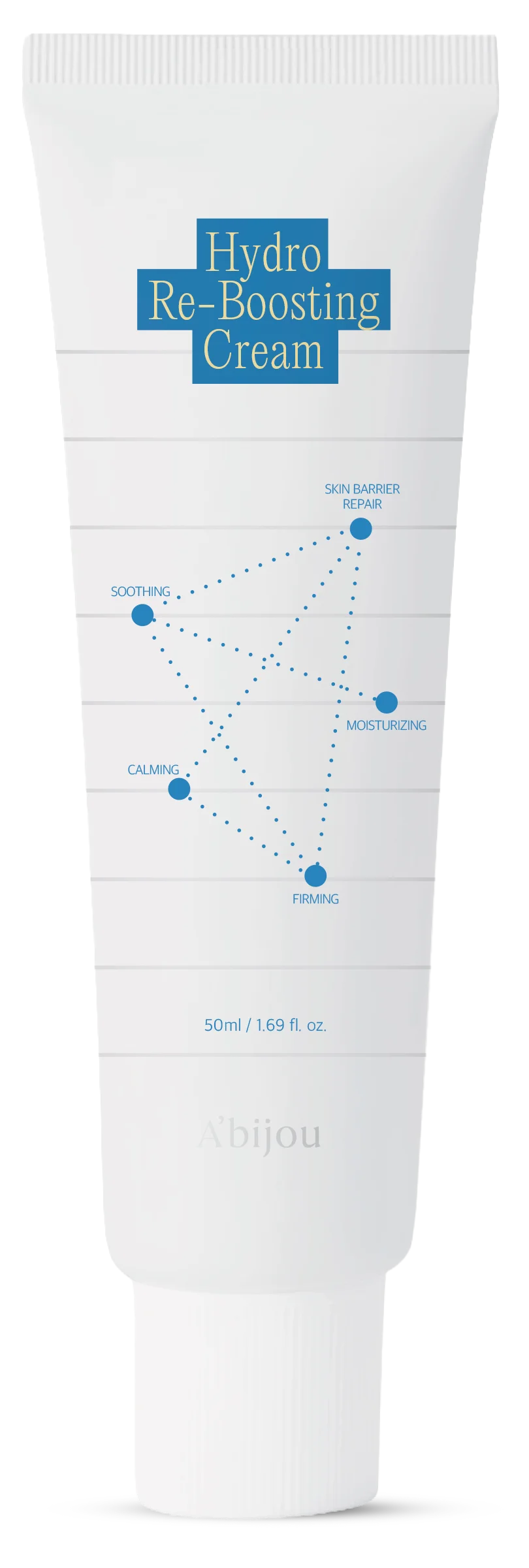 하이드로 리-부스팅 크림Buy
STEP 2 · 회복기 속보습
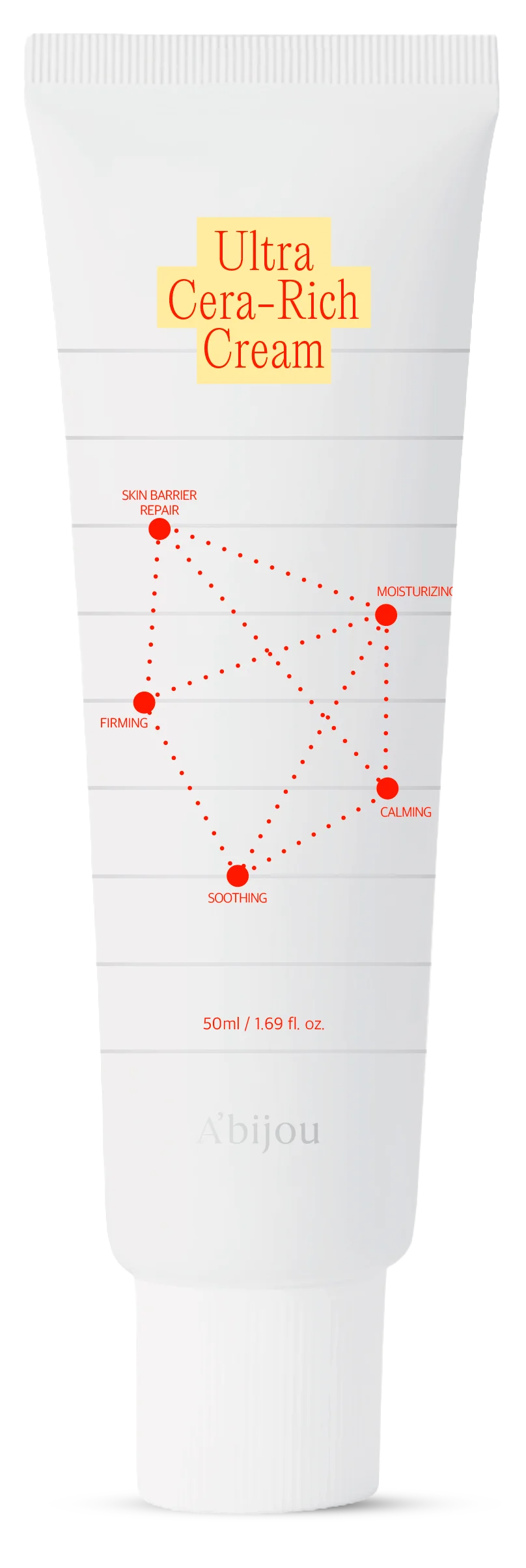 울트라 세라-리치 크림Buy
STEP 1 · 시술 직후 진정·장벽 케어