
Oliju Lifting Effects and Procedure Information, Recovery at a Glance
Oliju Lifting is a thread lifting procedure that uses dissolvable threads inserted into the skin layer to support sagging areas and refine facial contour lines. The onset and duration of effects, as well as downtime, vary by individual, and whether to undergo the procedure and which type of thread to use should be decided through consultation with a specialist.
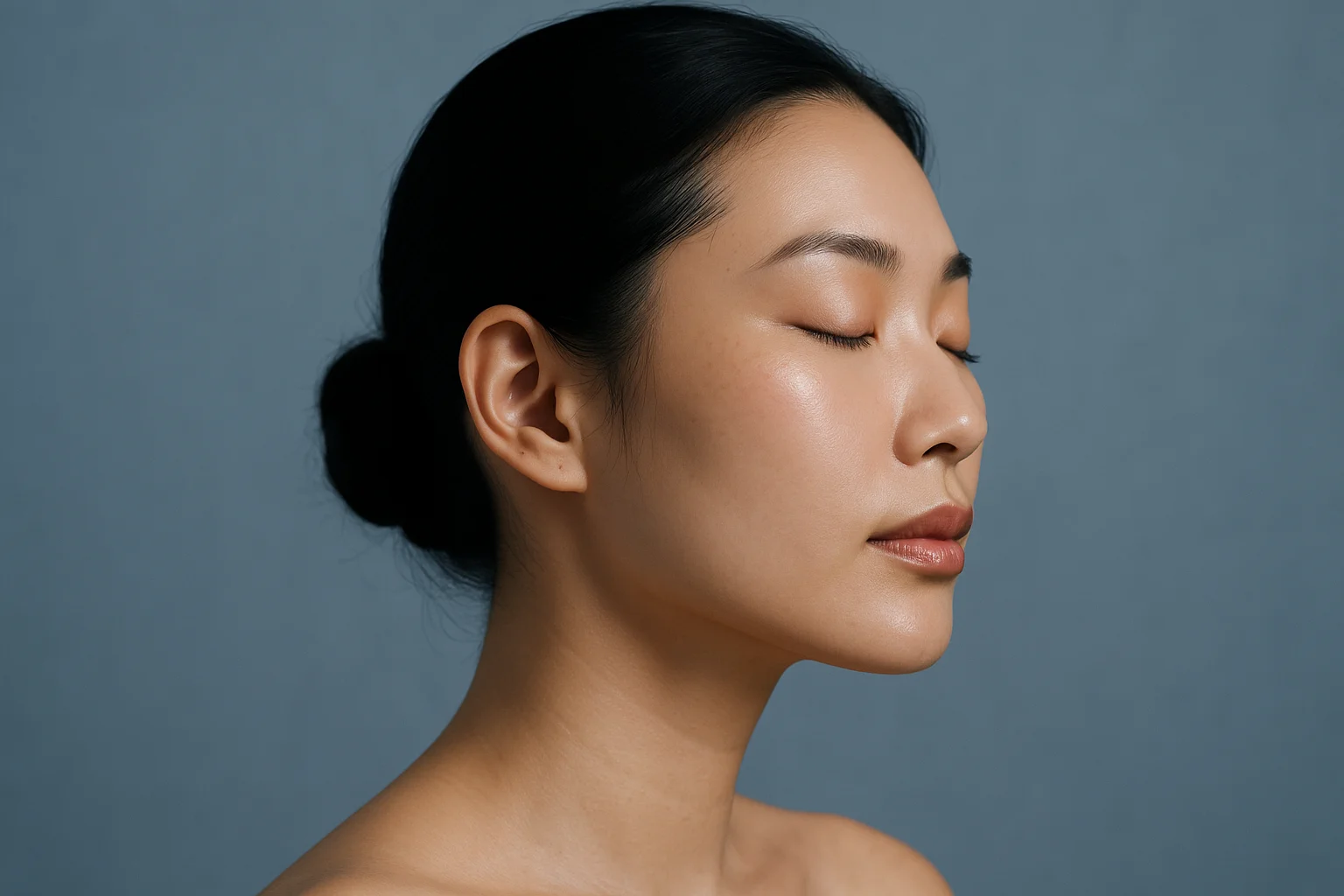
When your facial lines feel like they're sagging or you want to maintain a firmer appearance, thread lifting is often mentioned as a non-incisional approach. Oliju Lifting is one such thread lifting procedure that uses dissolvable threads to support sagging lines and refine contours. This article covers everything from the principle behind the procedure to the process, recovery course, downtime, and post-procedure home care.
- 1상담 및 디자인처짐 부위·실 종류 확인
- 2국소 마취시술 부위 마취 진행
- 3녹는 실 삽입피부층에 실 삽입, 약 30~60분
- 4삽입부 정리시술 후 주의사항 안내
- 5일상 복귀당일 가능하나 붓기·멍 수반 가능
- 6회복·홈케어진정·보습 케어, 수일~2주
The Principle Behind Oliju Lifting
Oliju Lifting is known to work by inserting special medical threads into the skin to physically support sagging skin while refining facial lines. Threads used in thread lifting are generally divided into three types—PDO, PLLA, and PCL—each differing in how long they last in the body, their strength, and the areas where they are used. PDO is the most commonly used and is known to last approximately 6 to 24 months, breaking down relatively faster than the other two types. PCL lasts longer in the body than PDO and has a tougher texture, so it is sometimes used in areas such as the nose tip. PLLA is described as having greater strength than PDO and a longer duration.
The inserted threads are gradually absorbed by the body over time, and during this process, they are said to induce a reaction in surrounding tissue and be involved in collagen production. However, this explanation of the mechanism is based on limited data, and it cannot be assumed that physical tissue restructuring and collagen response occur in the same way or to the same degree for everyone. Since the appropriate approach can vary depending on the type and design of thread, insertion depth, and individual factors such as skin thickness, degree of sagging, and elasticity, it is important to make decisions through consultation with a specialist.
Expected Changes and Procedure Process of Oliju Lifting
In addition to supporting sagging lines, Oliju Lifting aims to help with facial contour refinement, skin texture management, and maintaining a firmer appearance. However, the degree and perception of these changes may vary depending on individual skin condition, degree of sagging, and the type of thread used.
The procedure generally proceeds in the order of consultation and lifting design → local anesthesia → insertion of dissolvable threads → cleanup and guidance at the insertion sites → return to daily activities, and is known to take approximately 30 to 60 minutes depending on the area. Local anesthesia is administered during the procedure, and pain afterward tends to be mild, though this varies by individual.
Onset and Duration of Effects
Immediately after the procedure, some tightening sensation from the threads may be felt, but tissue reactions around the threads and collagen-related changes are described as tending to appear gradually over time. The duration of effects varies depending on the type of thread used, the treated area, and individual skin condition, and is generally known to be around 1 to 2 years. The recommended interval is also mentioned as being around 1 to 2 years, but this is not an absolute standard and should be decided in consultation with a specialist based on individual condition.
Downtime and Precautions
Swelling or bruising after the procedure may appear for a few days to about two weeks, and the degree of recovery varies by individual. In many cases, patients can return to daily activities the same day, but it is also known that if the thread is not inserted at an appropriate depth, issues such as skin indentation can occur, so thorough consultation with an experienced medical provider is necessary.
For about 1 to 2 weeks immediately after the procedure, it is recommended to avoid strong pressure, intense exercise, using saunas or steam rooms, and wide mouth movements. It is also mentioned that refraining from drinking and smoking, along with sun protection and moisturizing care, can help with recovery.
The Recovery Period After the Procedure: Why Home Care Matters
After procedures like thread lifting that involve physical stimulation to the skin, the skin barrier around the insertion sites may become temporarily sensitive. During this period, home care that minimizes irritation while focusing on soothing and moisturizing can help support the recovery process. In particular, it's worth noting that the skin's care needs may differ between the initial days when swelling or bruising remain and the later recovery period when the skin gradually stabilizes.
Recovery After the Procedure Depends on Home Care
During the sensitive period right after the procedure, the priority is to reduce irritation while caring for the skin barrier. ABJU Cream's STEP1 Ultra Cera-Rich is formulated to help soothe skin that tends to become sensitive right after the procedure and to care for the skin barrier, making it worth considering for use during the initial recovery stage. Later, during the recovery period as swelling subsides and the skin stabilizes, adding STEP2 Hydro Re-Boosting for deep moisturizing care fits the 2-step routine. However, since creams are cosmetics and the condition of the treated area and recovery speed vary greatly by individual, it is best to follow the guidance of your treating physician before use.
FAQ
- What kind of procedure is Oliju Lifting?
- It is a type of thread lifting procedure that aims to support sagging areas and refine facial lines by inserting dissolvable threads into the skin layer. The type and design of thread used may vary depending on individual skin condition.
- When do the effects of Oliju Lifting start to be felt?
- Some tightening sensation may be felt immediately after the procedure, and tissue reactions around the threads or collagen-related changes tend to appear gradually over time. The timing of perceived effects varies by individual.
- How long do the effects last?
- The duration varies depending on the type of thread used (PDO, PLLA, PCL, etc.), the treated area, and individual condition, and is generally known to be around 1 to 2 years. It is advisable to check the exact duration through a pre-procedure consultation.
- How much downtime and pain are involved?
- Local anesthesia is administered during the procedure, and pain afterward tends to be mild. Swelling or bruising may appear for a few days to about two weeks, and the recovery speed varies by individual.
- How should I take care of my skin after the procedure?
- For about 1 to 2 weeks after the procedure, it is recommended to avoid strong pressure, intense exercise, saunas or steam rooms, and wide mouth movements. Sun protection and moisturizing care are also recommended, and using gentle, low-irritation soothing and moisturizing products for sensitive skin may help. Please consult your specialist for specific aftercare methods and whether the procedure is suitable for you.
Medically reviewed by 아비쥬의원 의료진. (September 10, 2026)