
Are There Any Precautions for High-Content Panthenol Cosmetics?
Panthenol is an ingredient known to help with moisturizing and soothing, and a high content does not always mean it is irritating—generally, it is known to be mild in use. However, how it feels on skin or how skin reacts can vary depending on combination with other potentially irritating ingredients, individual skin condition, and the overall formulation balance, so checking is necessary. If your skin is sensitive after a procedure, it's important to look at the formulation design and combined ingredients rather than just the content percentage.
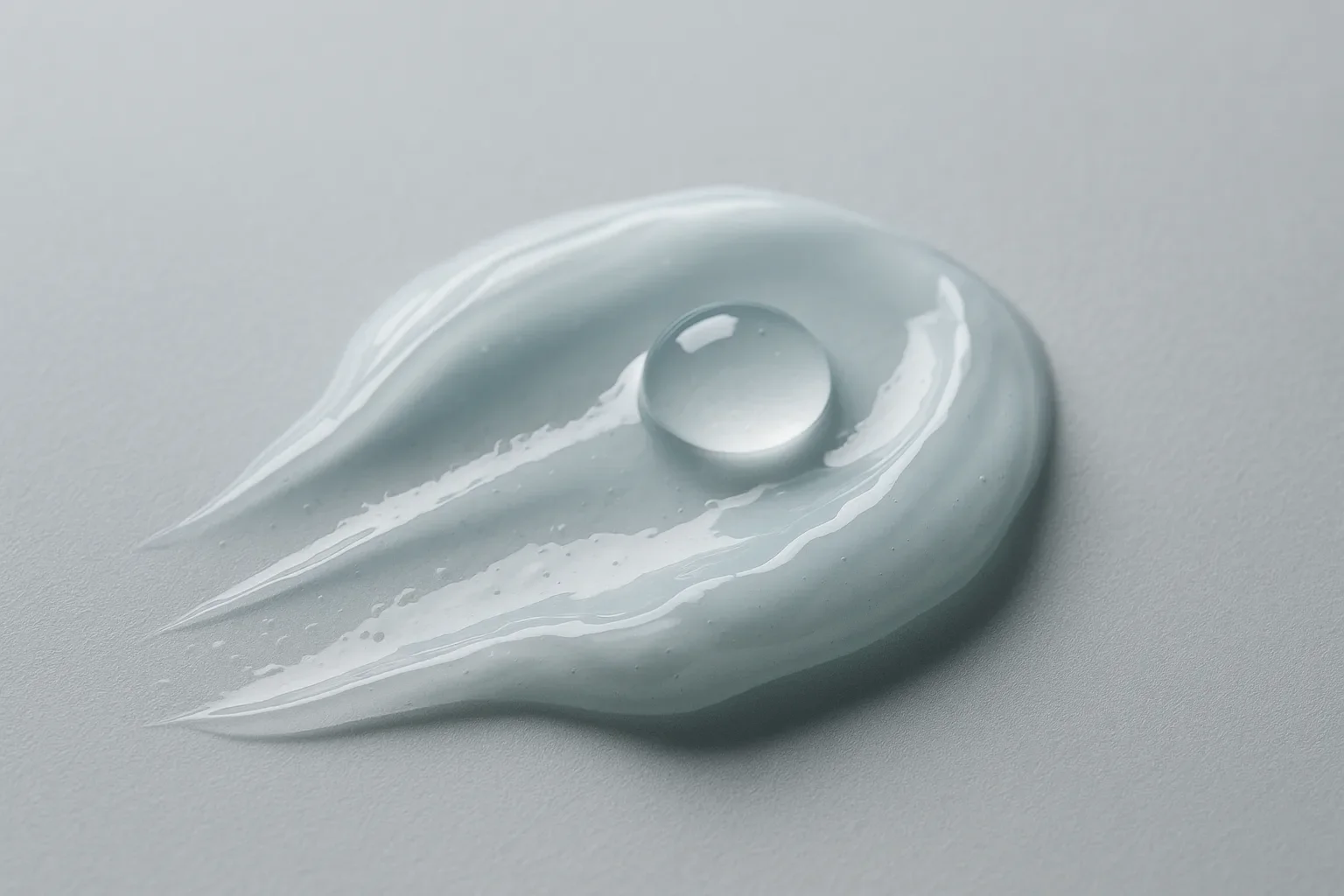
Panthenol (pro-vitamin B5) is well known as an ingredient that can help with skin moisturizing and soothing, and recently more products have been marketed as containing 'high-content' panthenol.
While one might think 'higher content must be better,' there can also be a concern that 'too much might actually be irritating.' This concern tends to grow especially when the skin is sensitive after a procedure.
What kind of ingredient is panthenol, and why are high-content products increasing?
Panthenol is a moisturizing ingredient that, once absorbed into the skin, helps draw in and hold onto moisture. It can also help soothe the skin, which is why it is often used in home care products for skin that has experienced irritation.
Panthenol used in cosmetics is generally known to be mild in terms of safety and is widely used across both low and high concentrations. As a result, more brands have started emphasizing content levels in ways such as 'contains X%' or 'contains X ppm.'
However, the content percentage alone does not necessarily mean 'stronger effect' or 'greater safety.' Even with the same panthenol, actual feel and skin reaction can vary depending on what other ingredients it is combined with and how the overall formulation is designed.
High-Panthenol Products: What to Actually Watch Out For
First, check whether other active ingredients (high-concentration acids, strong fragrances, certain alcohols, etc.) are also included at high levels alongside panthenol. In many cases, these accompanying ingredients cause irritation more often than panthenol itself.
Second, consider your individual skin condition. If your skin tends to be sensitive, or if your skin barrier is weakened right after a procedure or irritation, you may react differently to a formulation that usually felt fine. In such cases, it helps to test a small amount first regardless of the panthenol concentration.
Third, consider the texture and balance of the formulation. Simply adding a high concentration of panthenol doesn't guarantee long-lasting hydration. Whether ingredients similar to skin lipids, such as ceramides, cholesterol, and fatty acids, are also included in the formulation can play a more important role in barrier care and sustained hydration.
How to Check High-Panthenol Products Over Time
First use: Apply a small amount to a less visible area, such as the jawline or neck, rather than the whole face, and check first whether it feels comfortable without redness or stinging.
Days 1–3 of use: Check whether tightness after cleansing decreases and moisture is maintained. If you feel a filmy or stiff sensation during this period, it may be worth considering that the formulation doesn't suit your skin type, regardless of the concentration.
After 1 week: Observe whether consistent use improves your skin texture or reduces inner tightness. If it absorbs comfortably without particular irritation, that's a good sign you can continue using it without issue.
For Sensitive Skin After a Procedure, Look at the 'Design,' Not Just the Panthenol Concentration
After lifting or skin booster procedures, skin can become temporarily sensitive and the barrier may weaken. In this case, rather than choosing a product based solely on the panthenol concentration number, it may help to follow a recovery care routine designed for the specific stage.
The period right after a procedure, when redness and warmth remain, and the recovery period afterward, when redness has subsided but inner tightness remains, require different types of care. That's why post-procedure care is often determined more by a step-by-step approach than by a single product.
It's Helpful to Divide Home Care Into Stages
STEP 1 (Days 1–3 right after the procedure): During the period when warmth and irritation are concentrated, a formulation focused on soothing redness and barrier care can help. A formulation designed with 5 types of ceramides and panthenol together should be applied in a thin layer over irritated skin without rubbing.
STEP 2 (Recovery period from day 4 onward): This is the period when redness subsides but inner tightness and rough texture become noticeable. At this point, it's natural to move on to a formulation designed to fill the stratum corneum densely with moisture, along with a high concentration of panthenol.
Post-Procedure Recovery Is Determined by Home Care
Designed to align with these phase-specific needs is the 2-STEP system of AVIJU creams. The Ultra Cera-Rich Cream is formulated to help care for redness and heat sensation during the first 1 to 3 days right after a procedure, while the Hydro Re-Boosting Cream contains panthenol at 30,000ppm as indicated on the label, designed to support rapid hydration and skin texture care during the recovery phase. Rather than simply increasing the panthenol content, the formulation was designed by also considering components similar to the skin's own lipids, such as ceramides, cholesterol, and fatty acids.
사용 24시간 후에도 보습 수치 유지에 도움을 줄 수 있습니다. 개인차가 있을 수 있습니다.
출처 P&K 피부임상연구센타 시험성적서 (PNK-26223-RI1R)
거칠어진 피부결이 자극 전 수준으로 정돈되는 데 도움을 줄 수 있습니다. 개인차가 있을 수 있습니다.
출처 P&K 피부임상연구센타 시험성적서 (PNK-26223-RI1R)
인체 피부 일차자극 시험 결과 비자극성으로 판정되었습니다.
출처 P&K 시험성적서 (PNK-26225-I7R)
FAQ
- Is a higher panthenol content always better?
- It's hard to determine good or bad based solely on the content percentage. Panthenol is generally known to be a mild ingredient, but actual feel and reaction can vary depending on the ingredients it's combined with, formulation design, and individual skin condition.
- I felt a stinging sensation using a high-content panthenol product—why might that be?
- The cause may not be panthenol itself, but rather other ingredients combined with it, the overall formulation, or the skin's condition at the time of use. It's recommended to pause use, observe whether the skin becomes comfortable, and then retest with a small amount.
- Can I use high-content panthenol products right after a procedure?
- Right after a procedure, caring for redness and heat should come first, so you might consider using a non-irritating, thin-layer formulation first, then moving to a panthenol-rich, deep-moisturizing formulation once redness subsides during the recovery phase.
- Is it more helpful to use panthenol together with ceramides?
- While panthenol plays a role in drawing in moisture, ceramides, cholesterol, and fatty acids have a composition similar to skin lipids and can help support barrier care. A formulation designed with both together may help with sustained moisturizing.
Related products
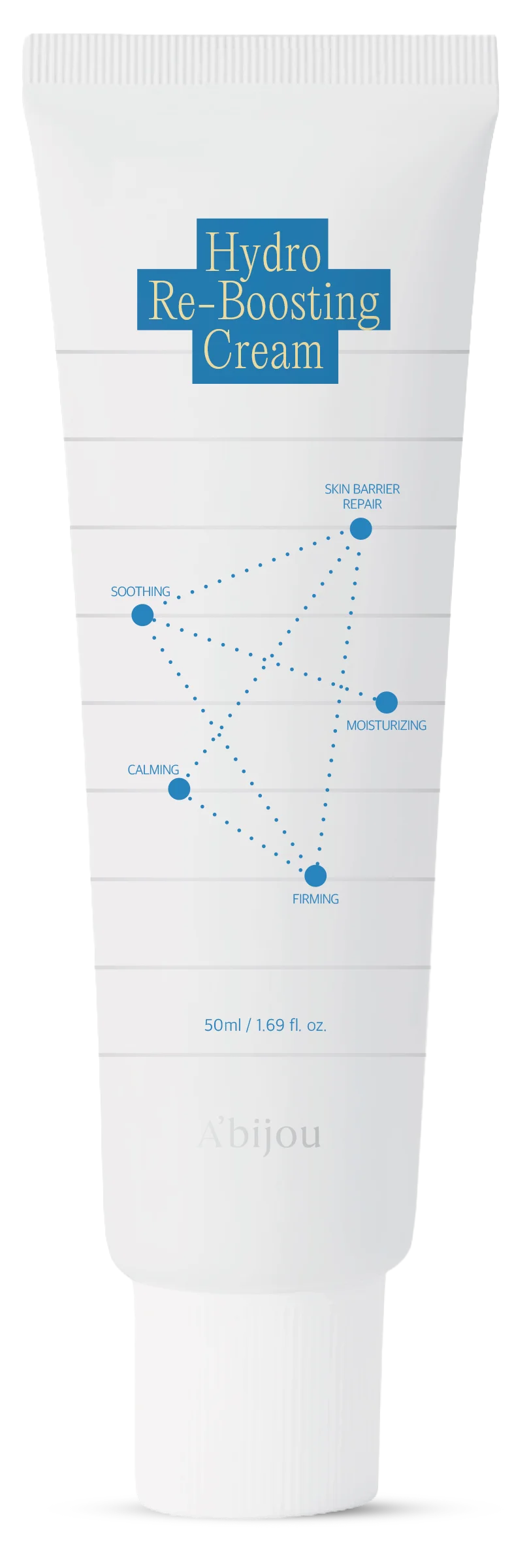 하이드로 리-부스팅 크림Buy
STEP 2 · 회복기 속보습
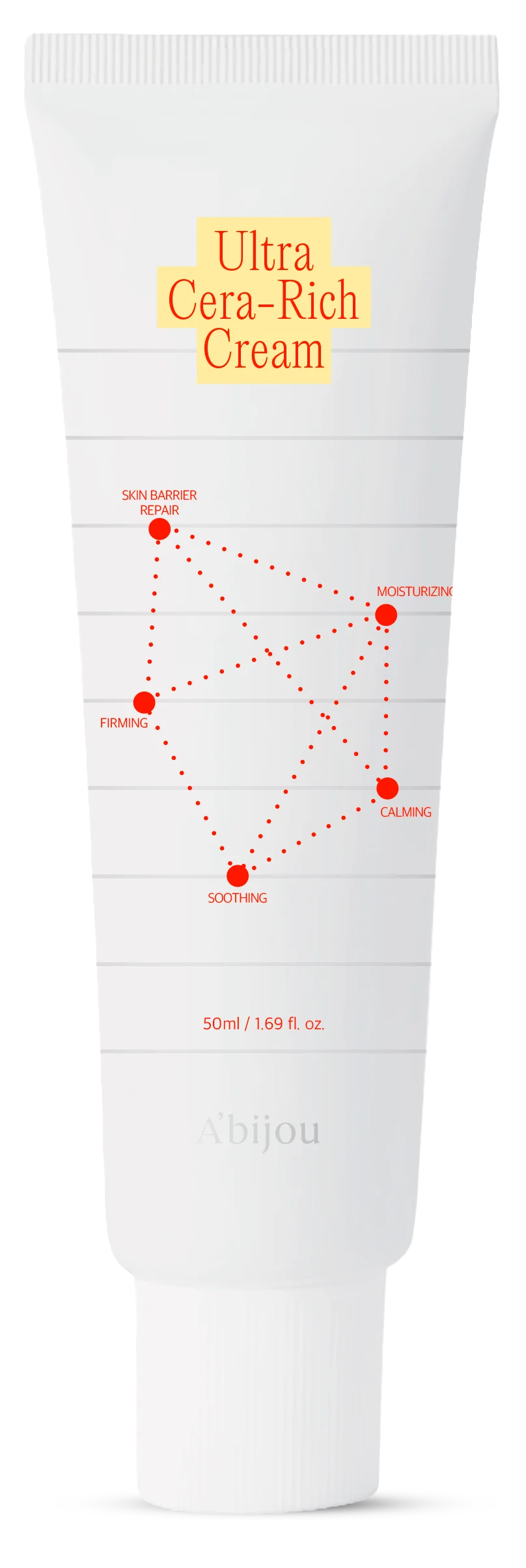 울트라 세라-리치 크림Buy
STEP 1 · 시술 직후 진정·장벽 케어