
Peptide Precautions: 5 Essential Things to Know Before Use
Peptides are generally mild ingredients, but irritation can occur with high-concentration formulations, indiscriminate mixing with acidic ingredients (vitamin C, AHA/BHA), storage temperature, and individual skin sensitivity. Especially after procedures or when the skin barrier is compromised, prioritizing calming and moisturizing care over peptides is safer. Below, we've organized the mechanisms, cautionary timing, and step-by-step home care guidelines.
Peptides are ingredients with amino acids linked in chain form, widely used in cosmetics for skin conditioning and elasticity care. However, despite the perception of being a 'mild ingredient,' sensitive reactions or skin deterioration can occur depending on usage method or skin condition, requiring caution.
Why Peptides Require Caution
Peptides themselves are known to have low irritation potential in terms of molecular structure, but the problem typically arises not from 'single use' but from 'combination and concentration.' Layering multiple types of peptide products at once or using them together with acidic or exfoliating ingredients like high-concentration vitamin C, retinol, or AHA/BHA can disrupt the skin surface's pH balance and elevate sensitivity.
Additionally, peptides are relatively unstable ingredients—if products are exposed to high temperature or direct sunlight, or if expired products are used, it's difficult to expect the original conditioning care benefits, and the altered components may instead burden the skin.
Most importantly, the critical timing is 'when the skin barrier is already compromised.' Right after procedures, after intensive exfoliation, or when the skin is sensitized by seasonal dryness, prioritizing calming and moisturizing over various functional ingredients including peptides is more helpful for skin condition management.
Timeline of Skin Response by Period
On days 1-3 of first using peptide products, some people experience mild stinging or burning sensation, which often stems from the formulation's acidity or combination with other active ingredients. It's important to observe whether any adverse reactions occur during this period.
From days 4 to 1 week, the skin typically adapts to the product and can often be used without significant reactions. However, if redness or stinging persists, discontinue use and check for irritation triggers.
If after 2 weeks of consistent use your skin texture becomes rougher or tightness worsens, it's time to reconsider whether you're layering high-concentration products with other functional ingredients or if storage conditions are appropriate.
Step-by-step home care guide
Step 1: When using for the first time, apply a small amount to a limited area such as the inner forearm or jawline rather than the entire face, and observe the reaction for 24-48 hours for safety.
Step 2: Avoid layering acidic ingredients or strong exfoliating products at the same time. Instead, divide usage between morning and evening or separate by day of the week.
Step 3: If irritation signals such as redness, tightness, or stinging appear, immediately stop use and first stabilize the skin with gentle, non-irritating moisturizing and soothing products.
Step 4: If you've just had a procedure or have a compromised barrier, delay introducing peptide products and first recover your skin condition through soothing and moisturizing-focused basic skincare, then gradually increase ingredients in stages for safety.
When the barrier is compromised, soothing and moisturizing come first
During periods when the skin barrier is temporarily weakened, such as immediately after lifting procedures or skin booster treatments, it's more efficient for condition recovery to focus on calming redness and deep hydration while minimizing irritation, rather than trying various functional ingredients. Post-procedure care often determines subsequent skin condition, making step-by-step care tailored to the recovery phase essential.
Post-procedure recovery depends on home care
During the post-procedure period with redness and heat, prioritize soothing and barrier care with an Ultra Sera-Rich Cream containing 5-complex ceramides and panthenol. After redness subsides, during the recovery phase (day 4 onwards) with remaining internal tightness, continue with a Hydro Re-Boosting Cream for deep hydration and skin texture care using a 2-STEP routine. Functional ingredients such as peptides are recommended to be introduced gradually after skin condition stabilizes in this manner.
FAQ
- Can I use peptides daily?
- Generally, peptides are safe for daily use, but if your skin is in a sensitive phase or you're using other functional ingredients concurrently, it's safer to adjust usage frequency and monitor your skin's response.
- Is it okay to use peptides and vitamin C together?
- Rather than applying them simultaneously, it's recommended to divide usage between morning and evening or separate them by days to minimize potential skin irritation.
- Can I use peptide products immediately after a procedure?
- When the skin barrier is compromised right after a procedure, it's better to first stabilize skin condition with calming and moisturizing products rather than peptides, then gradually increase usage in stages.
- I felt stinging from a peptide product—can I continue using it?
- If stinging or redness persists, stop use immediately and prioritize calming the skin first with non-irritating, low-irritant moisturizing products.
Related products
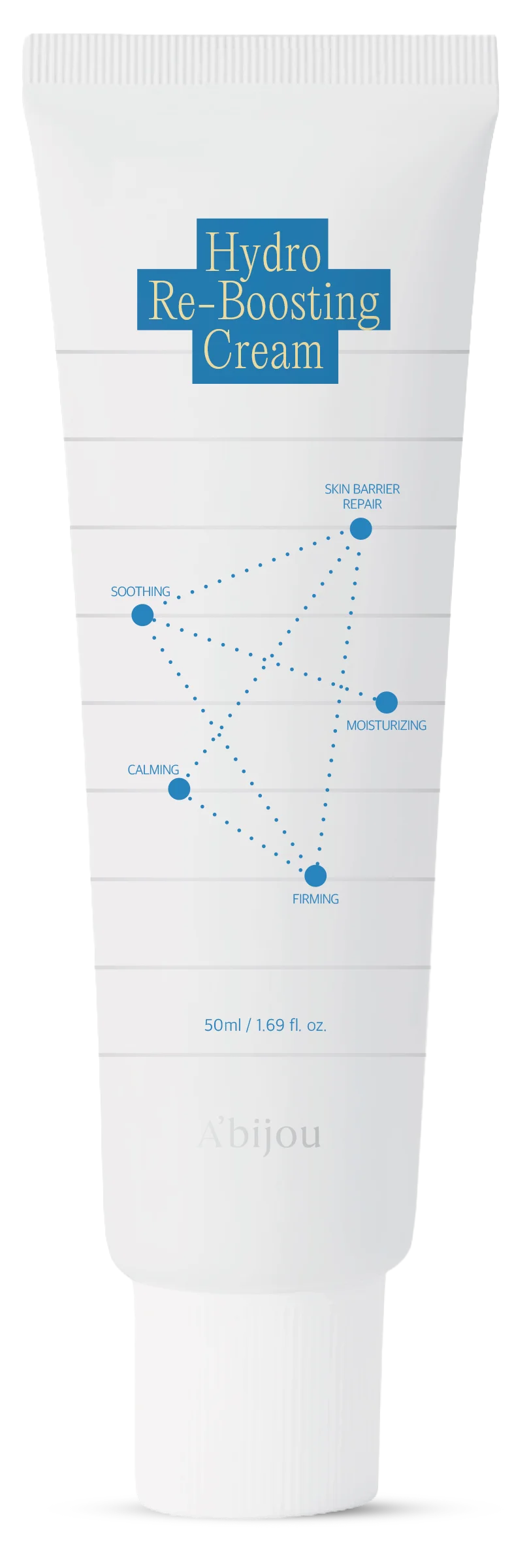 하이드로 리-부스팅 크림Buy
STEP 2 · 회복기 속보습
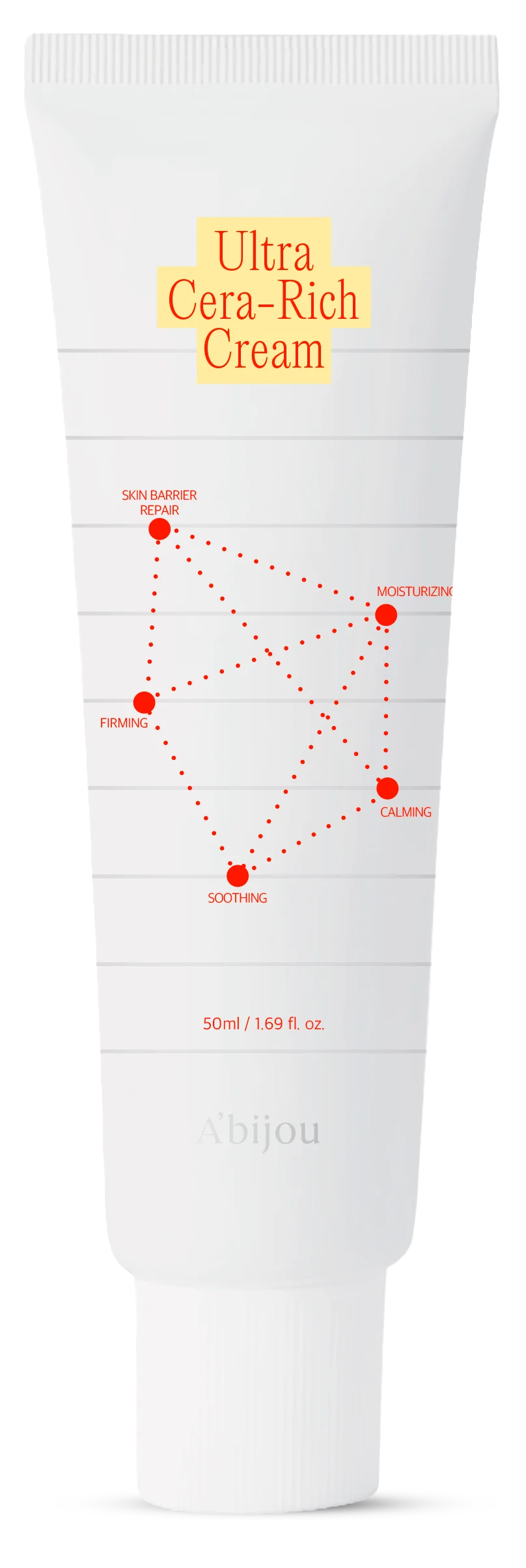 울트라 세라-리치 크림Buy
STEP 1 · 시술 직후 진정·장벽 케어