
Treatments for Improving Perioral Wrinkles: From Principles to Recovery Care
Treatments for improving perioral wrinkles aim to help ease the marionette and nasolabial lines that deepen due to repeated facial expressions and volume loss. Methods vary widely, including fillers, thread lifting, Botox, and radiofrequency/ultrasound-based lifting devices, and the approach may differ depending on the cause and depth of the wrinkles. Since results, duration of effect, and downtime vary greatly by individual, it is necessary to decide whether to undergo treatment and which method to use through consultation with a specialist.
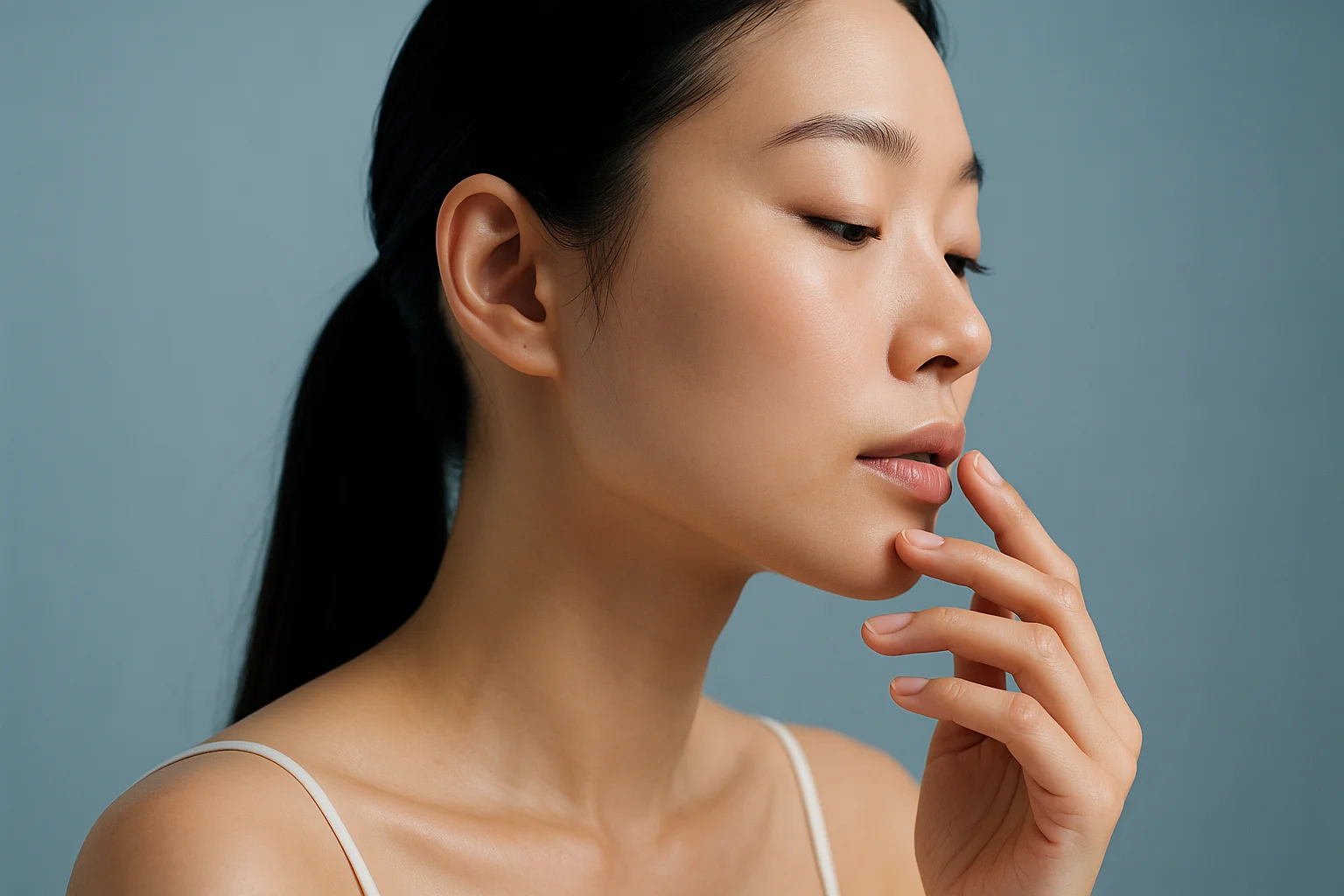
Perioral wrinkles are one of the representative signs of aging, appearing as repeated muscle movement during smiling or talking overlaps with decreased skin elasticity and volume loss. They are often mentioned alongside areas commonly called 'marionette lines' or 'nasolabial folds,' and the timing and depth of their appearance vary depending on age, skin thickness, and lifestyle habits.
Treatments aimed at improving perioral wrinkles branch into several approaches depending on the cause. This article summarizes the principles and progression of representative treatments, downtime, and considerations for post-treatment recovery care.
Why Perioral Wrinkles Form
The area around the mouth is frequently moved by expression muscles (such as the orbicularis oris), and accumulated repeated contraction and relaxation can make expression wrinkles settle in easily. On top of this, as collagen and elastin decrease with age and subcutaneous fat and volume diminish, the skin may sag, making the perioral lines appear more pronounced.
Therefore, treatments for improving perioral wrinkles are often approached in three main directions: 'controlling muscle movement,' 'replenishing volume,' and 'improving skin elasticity (inducing collagen remodeling).'
Representative Treatment Methods and Principles
Botox (botulinum toxin) aims to help reduce the deepening of expression wrinkles by easing excessive contraction of the muscles around the mouth. However, since the mouth area is closely tied to functional movements like speaking and eating, careful judgment by a specialist regarding dosage and injection sites is necessary.
Fillers are used to replenish lost volume, helping to soften nasolabial folds or marionette lines. Thread lifting is known to work by inserting dissolvable threads beneath the skin to physically support sagging tissue and subsequently induce collagen production.
Radiofrequency (RF) and ultrasound (HIFU)-based lifting devices aim to help improve skin elasticity by delivering thermal energy to the dermis or SMAS layer to induce collagen remodeling. The treatment site and depth may vary depending on the device and protocol used.
Perceived Results, Duration, and Downtime
The timing of visible results and how long they last differ by treatment. Botox effects are known to begin appearing within a few days to 1–2 weeks after treatment and generally last about 3–4 months, while fillers may provide an immediate sense of volume improvement, though the duration varies depending on the product used and the treatment area.
Thread lifting and thermal energy-based lifting go through the biological process of collagen remodeling, so their effects tend to appear gradually over several weeks to months. This progression and duration vary greatly depending on individual skin condition, age, and lifestyle habits, making it difficult to state absolute figures.
Downtime also varies depending on the treatment method. With Botox and fillers, relatively minor swelling or bruising often subsides within a few days, while thread lifting or energy-based treatments may involve swelling, tightness, and temporary redness lasting from a few days to 1–2 weeks. Since all outcomes and potential side effects vary by individual, thorough consultation with a specialist before treatment is necessary.
Why Home Care Matters During Post-Treatment Recovery
Immediately after treatment, the skin may experience minor irritation and temporarily weakened barrier function. During this period, sun protection, avoiding irritating ingredients (such as high-concentration acids or fragrances), and sufficient moisturizing care can help support the recovery process.
In particular, after lifting treatments using thermal energy, skin may become temporarily dry or sensitive, so attention to soothing and hydration is recommended. Even during periods of swelling after fillers or thread lifting, gentle care that minimizes irritation can be helpful.
Home Care Makes a Difference in Post-Treatment Recovery
Since the skin may be sensitive to irritation for a few days after treatment, incorporating gentle home care focused on soothing and hydration can help support the recovery process. Right after lifting or thermal energy-based treatments, care that soothes sensitized skin and replenishes the protective barrier is needed—Aveuju Cream's STEP1 Ultra Cera-Rich is formulated to target redness soothing and barrier care immediately after treatment. Once recovery is underway, continuing with STEP2 Hydro Re-Boosting for deep hydration care may be helpful. However, this is supplementary home care, and the necessary aftercare may differ depending on the treatment site or method, so it is essential to follow the guidance of your attending specialist first.
FAQ
- Do I only need one session of perioral wrinkle treatment?
- The duration of effect varies depending on the treatment method, and for treatments like Botox and fillers, where the effect gradually diminishes over time, follow-up sessions at regular intervals are often considered. Since the need for and interval of repeat treatments vary by individual, it is necessary to consult with a specialist to decide.
- Which is more suitable for perioral wrinkles, Botox or filler?
- The suitable method may differ depending on whether the wrinkles are caused by muscle movement or volume loss. In some cases, both are used together, so it is advisable to have your skin condition diagnosed and decide on the method together with a specialist.
- Can I wear makeup during the downtime after treatment?
- The timing for when makeup can be applied may vary depending on the treatment site or method. While swelling or irritation remains, it is advisable to use gentle, low-irritation products, and the exact timing should follow the guidance of your attending physician.
- How long do swelling or bruising last after treatment?
- This varies depending on the treatment method and individual recovery ability. Botox and fillers often subside within a few days, but swelling or tightness from thread lifting or energy-based treatments may last about 1–2 weeks, so individual differences should be taken into account.
Medically reviewed by 아비쥬의원 의료진. (September 10, 2026)