
Pico Fraxel Treatment: From Principles to Recovery Homecare
Pico Fraxel combines conventional Fraxel (fractional laser) technology with picosecond laser technology, delivering energy in picosecond units to create microscopic stimulation zones within the dermis, which is known to be involved in collagen remodeling. It is described as being closer to non-ablative treatment due to relatively less epidermal damage, but since effects and downtime vary by individual, whether to undergo the procedure and how it is performed should always be decided in consultation with a medical professional.
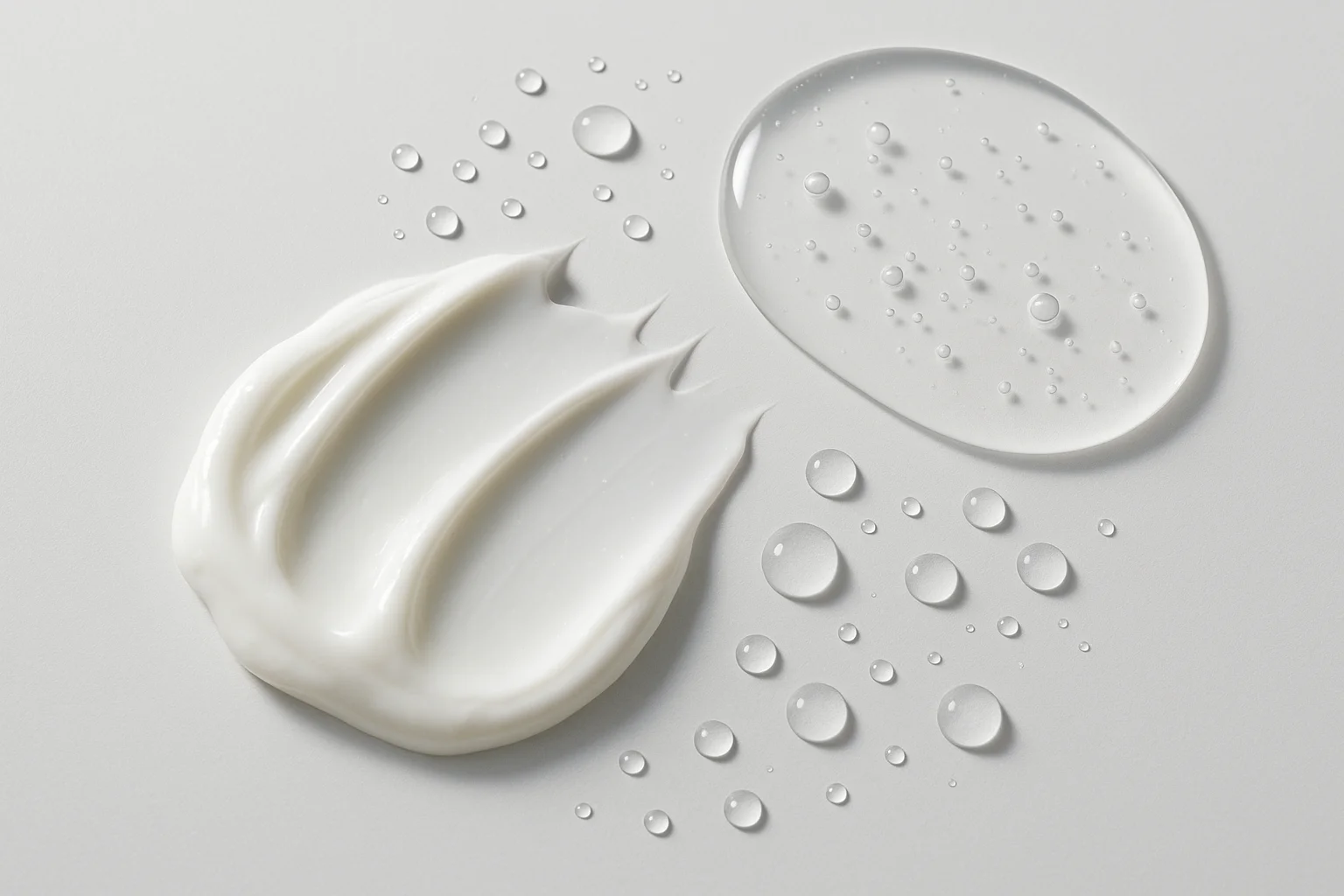
As its name suggests, Pico Fraxel is introduced as a treatment that combines 'picosecond' laser technology with the 'Fraxel (fractional)' method. It is a treatment that draws interest for purposes such as skin texture refinement, atrophic scar improvement, and fine wrinkle improvement, but it is important to accurately understand how it actually works and what the recovery process is like.
How Pico Fraxel Works
Pico Fraxel is described as delivering energy in extremely short picosecond pulses to create microscopic damage zones within the dermis. This process is called Laser-Induced Optical Breakdown (LIOB), and it is known to be characterized by stimulating the dermis without significantly stripping away the epidermis.
These microscopic damage areas subsequently undergo a natural wound-healing process, during which remodeling is reported to occur involving the reorganization of collagen, elastic fibers, and matrix components in the dermis. However, it is more accurate to understand this not as a concept of cells being 'reorganized,' but as a process in which tissue is reorganized and regenerated.
Some clinic materials explain that collagen production is stimulated without epidermal damage, but such descriptions may be marketing-oriented expressions, so their credibility should be carefully assessed. It is commonly explained as being closer to non-ablative compared to conventional Fraxel, but the actual degree of epidermal damage can vary depending on the treatment intensity and device settings.
Expected Effects and Related Reports
According to a health media report, a patient group treated with a specific fractional picosecond laser device scored higher in acne scar improvement assessments and overall investigator assessments compared to a group treated with a non-ablative fractional laser. This is an individual study result concerning a specific device, and it cannot be assumed to apply equally to all Pico Fraxel procedures.
The same report also mentions that histological analysis confirmed increases in collagen, elastic fibers, and dermal matrix throughout the dermis. However, the extent to which such histological changes translate into perceived improvements in skin texture may vary depending on individual skin condition, number of sessions, and aftercare methods.
Pico Fraxel is often performed with the goal of helping to refine skin texture and improve atrophic scars and fine wrinkles, but since the effects and perceived degree of improvement vary greatly by individual, it is advisable to determine whether the procedure is suitable and how many sessions are needed through consultation with a medical professional.
Post-Procedure Course and Downtime
Generally, after Fraxel-type procedures, microscopic scabs (micro-crusts) form, and many sources explain that they naturally begin to fall off around 1 week after the procedure. However, this is a general explanation for Fraxel treatments overall, and since Pico Fraxel is known to cause relatively less epidermal damage, the formation and shedding of scabs may be milder.
There is variation among sources regarding how long redness lasts. Some review-based sources mention about 3 to 4 days for Pico Fraxel and 1 to 2 weeks for Fraxel, while other clinic materials explain that it can last up to 1 to 2 weeks. These differences are presumed to be due to the type of device, energy intensity, treatment area, and individual skin condition, and the actual recovery period may vary from person to person.
Swelling, redness, and temporary sensitivity may accompany the procedure, and in rare cases, hyperpigmentation or other adverse reactions may occur, so if abnormal symptoms persist or worsen after the procedure, it is safer to contact the medical institution where the treatment was performed.
Post-Procedure Recovery Homecare
Since the recovery process for dermal stimulation continues immediately after Pico Fraxel treatment, sun protection along with soothing care that supports the skin barrier is often mentioned as important. During this period, care with low-irritation formulations that calm redness and sensitivity while preventing moisture loss can be helpful.
After recovery has progressed to a certain extent, it is recommended to continue with deep moisturizing care to support the dermal remodeling process. However, homecare is only supplementary management, and since the condition of the treated area and recovery speed vary by individual, it is advisable to primarily follow the guidance of the medical professional in charge.
Post-Procedure Recovery Is Shaped by Homecare
Immediately after the procedure, when the skin is sensitive, soothing redness and barrier care take priority. At this stage, STEP1 Ultra Cera-Rich of the ABJU Cream 2-STEP is formulated to help soothe redness and support the skin barrier right after the procedure. As recovery progresses and the skin gradually stabilizes, continuing with STEP2 Hydro Re-Boosting for deep moisturizing care may be helpful. However, this is a supplementary homecare concept, and it is safer to consult with the medical institution where the procedure was performed regarding the timing and method of use depending on the condition of the treated area.
FAQ
- How is Pico Fraxel different from conventional Fraxel?
- Pico Fraxel is described as a treatment that combines picosecond laser technology with a fractional approach, and is known to be closer to non-ablative treatment due to relatively less epidermal damage. However, the actual degree of epidermal damage and the recovery pattern can vary depending on the device settings and the individual's skin condition.
- How long does redness last after the procedure?
- There is variation depending on the source—some mention 3 to 4 days, while others mention up to 1 to 2 weeks. Differences may occur depending on the type of device, energy intensity, and individual skin condition, so it is best to check the exact recovery course with the medical provider who performed the treatment.
- Is it okay to forcibly remove scabs if they form?
- Generally, scabs are known to begin naturally falling off around 1 week after the procedure. Forcibly removing them may carry a risk of adverse reactions such as hyperpigmentation, so it is recommended to wait for natural shedding.
- When can cosmetics be used after the procedure?
- The products that can be used and the timing may vary depending on the recovery stage and skin condition. It is advisable to first consider mild products focused on soothing and moisturizing, but for the exact timing of use, it is safer to follow the guidance of the medical institution where the procedure was performed.
- How many sessions of Pico Fraxel are needed to see results?
- Related reports have documented histologically confirmed changes in dermal components such as collagen, but the degree of perceived improvement and the number of sessions needed can vary greatly depending on individual skin condition. It is advisable to determine the treatment plan through consultation with a medical professional.
Medically reviewed by 아비쥬의원 의료진. (September 10, 2026)