
Pigmentation Laser Treatment: From Principles to Recovery
Pigmentation lasers use light energy that selectively targets melanin to break down pigment particles, which are then gradually cleared from the body. Both the effectiveness and the pace of recovery can vary significantly between individuals, and post-treatment sun protection along with soothing and moisturizing care play an important role in stabilizing pigmentation. Whether to undergo the procedure and which method to use should always be determined through consultation with a specialist.
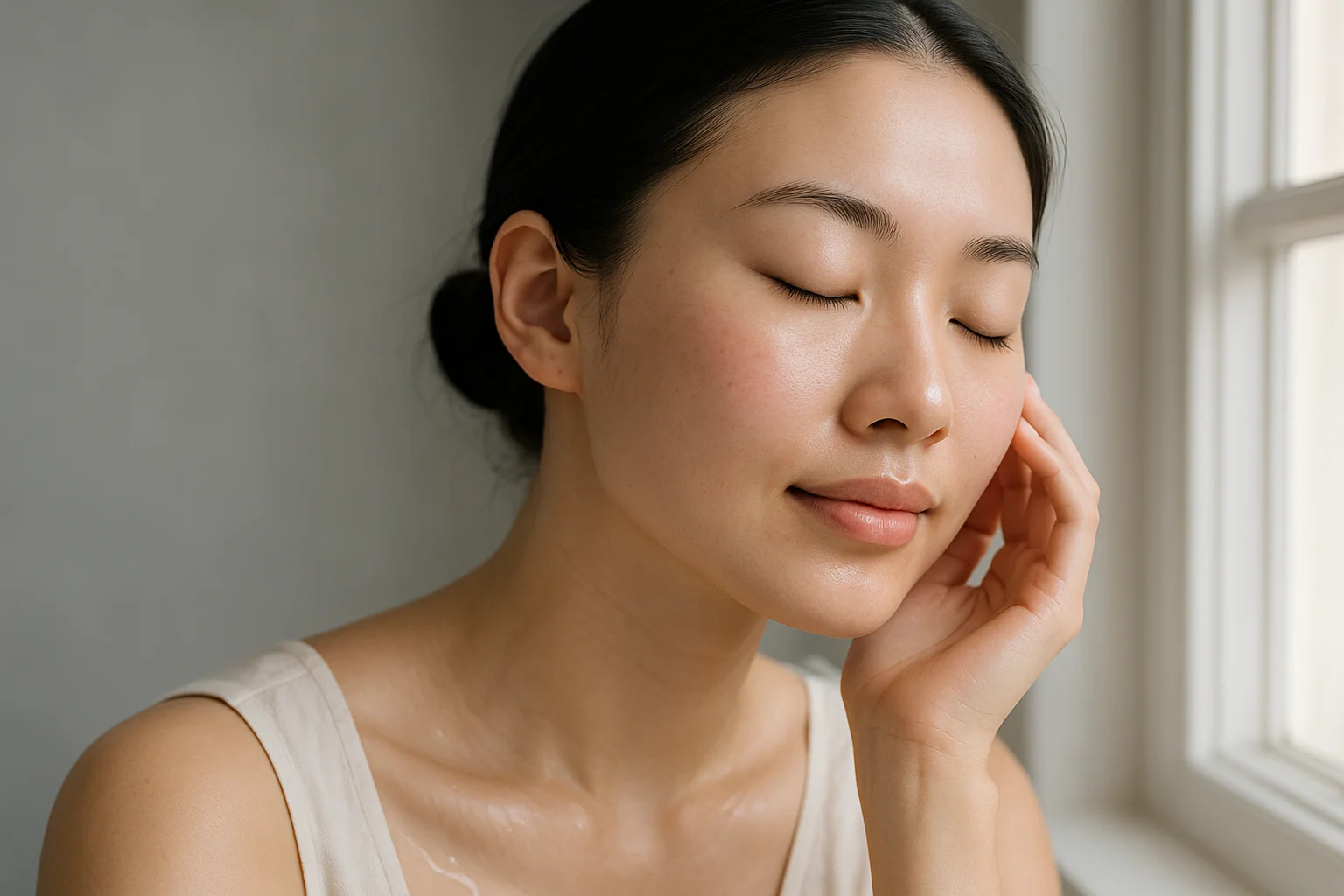
Many people consider laser treatment for various pigmentation concerns such as melasma, blemishes, age spots, and post-inflammatory hyperpigmentation. Pigmentation lasers are known to use light of specific wavelengths that are selectively absorbed by melanin in the skin.
However, the degree of response can vary depending on the type and depth of the pigmentation as well as individual skin type, so an accurate diagnosis and consultation with a specialist should come before any treatment.
- 1시술 직후일시적 홍반·부종, 1~2일 내 가라앉는 경우 많음
- 2색소 부각기병변이 일시적으로 더 진해 보일 수 있음
- 3딱지·각질 형성자연 탈락 유도, 억지로 떼지 않기
- 4저색소침착기일시적으로 색이 옅어지는 구간
- 5회복 안정통상 30일 내외로 정리되는 경과 보고, 개인차 큼
How Do Pigmentation Lasers Work
Pigmentation lasers are explained as working by delivering light at wavelengths that are selectively absorbed by melanin, the target pigment. When the laser energy is absorbed by melanin, the pigment particles are rapidly heated and broken down into smaller fragments, which are then reported to be gradually removed by macrophages in the body over a period of days to weeks.
Some lasers (such as Q-switched types) are described as primarily using a photomechanical effect on target tissue, which is said to involve relatively less impact on surrounding tissue from heat. There is also an explanation that when the laser's pulse width is shorter than the thermal relaxation time of the pigment cells, it may help reduce damage to surrounding normal tissue—though this is based on limited sources and should be understood as reference information only.
The response may differ depending on whether the pigmentation is located in the epidermis or deeper in the dermis, and the approach and expected course can also vary depending on the cause, such as melasma, post-inflammatory hyperpigmentation, or freckles.
What About the Effects, Course, and Downtime
The degree of improvement in pigmentation is reported to vary depending on the depth and cause of the lesion as well as individual skin type, and there is no confirmed evidence guaranteeing complete disappearance or uniform results. In particular, pigment located in the dermis is known to potentially show slower improvement.
In an international case study, about 37.5% of participants showed an excellent response, 50.0% a satisfactory response, and 12.5% an unsatisfactory response, clearly confirming significant individual variation. It has also been reported that improvement tends to be relatively noticeable after the first session, with the degree of improvement decreasing in subsequent repeat sessions.
Immediately after the procedure, most people may experience temporary redness and swelling, which is generally reported to subside within 1–2 days. Afterward, the lesion area may temporarily appear darker before fine crusts or flaking form and naturally shed, followed by temporary hypopigmentation, with the overall course typically resolving within about 30 days. However, some studies have observed downtime averaging 5.9±0.8 days (range 5–7 days), and depending on the treatment method and intensity, downtime can vary considerably—from a few hours for non-ablative lasers to more than a week for ablative lasers.
Since downtime and recovery speed can vary greatly depending on the device, energy settings, treatment area, and individual healing response, it is worth noting that there is no universally applicable figure.
If Pigmentation Appears Darker After Treatment
It's possible for the pigmented area to temporarily appear darker after laser treatment. This is a commonly observed response as pigment particles rise to the surface, and it often fades or sheds along with the crust over time. However, if the course lasts longer than expected or causes concern, it is advisable to check with the clinic where the treatment was performed.
Factors such as a melanin response following skin irritation or exposure to UV light are considered to potentially affect the course of pigmentation. The degree to which this occurs can vary by individual skin type, and care that takes this into account is often approached with the goal of minimizing pigment changes.
What Matters Most in At-Home Care During Recovery
The aspect most emphasized in post-treatment care is thorough sun protection. Since UV exposure after laser treatment can affect pigment changes, it is recommended to use sunscreen when going outside along with physical barriers such as hats or umbrellas.
If a crust forms, letting it fall off naturally rather than forcibly removing it may be helpful for managing pigmentation and scarring. During this period, minimizing skin irritation and maintaining sufficient hydration are guided as basic principles that support the recovery process.
Caution is advised when considering additional treatment while pigmentation has not yet stabilized; it is safer to check the current condition of the skin before planning next steps. If pigmentation becomes wider or lasts longer than expected, or if redness or pain accompanies it, it is necessary to contact the clinic where the treatment was performed for a check-up.
At-Home Care Makes a Difference in Post-Treatment Recovery
From right after the procedure through the recovery period, the skin barrier tends to be sensitive, so at-home care that reduces irritation and replenishes moisture can be helpful alongside this process. One product that fits into this routine is the ABJU Cream 2-STEP. Immediately after treatment, STEP1 Ultra Cera-Rich can be used to focus on soothing and barrier care, and during the later recovery period, STEP2 Hydro Re-Boosting can be used to replenish deep hydration—applying each step according to the stage of recovery. However, the product does not replace the treatment itself, and the timing and method of use should be decided in consultation with a specialist based on the condition of the treated area.
Medically reviewed by 아비쥬의원 의료진. (September 10, 2026)