
Pigmentation Lifestyle Management: Essential Care After Procedures
Pigmentation often results from the accumulation of small everyday factors like UV exposure, irritation, friction, and dryness, making it essential to consistently maintain sun protection, moisturizing, and soothing habits after procedures as a key part of skin texture care. Especially right after a procedure, the skin barrier becomes sensitive, so it's important to avoid irritation and follow soothing and moisturizing care in stages. Combining lifestyle adjustments with phase-specific home care can help maintain stable skin condition.
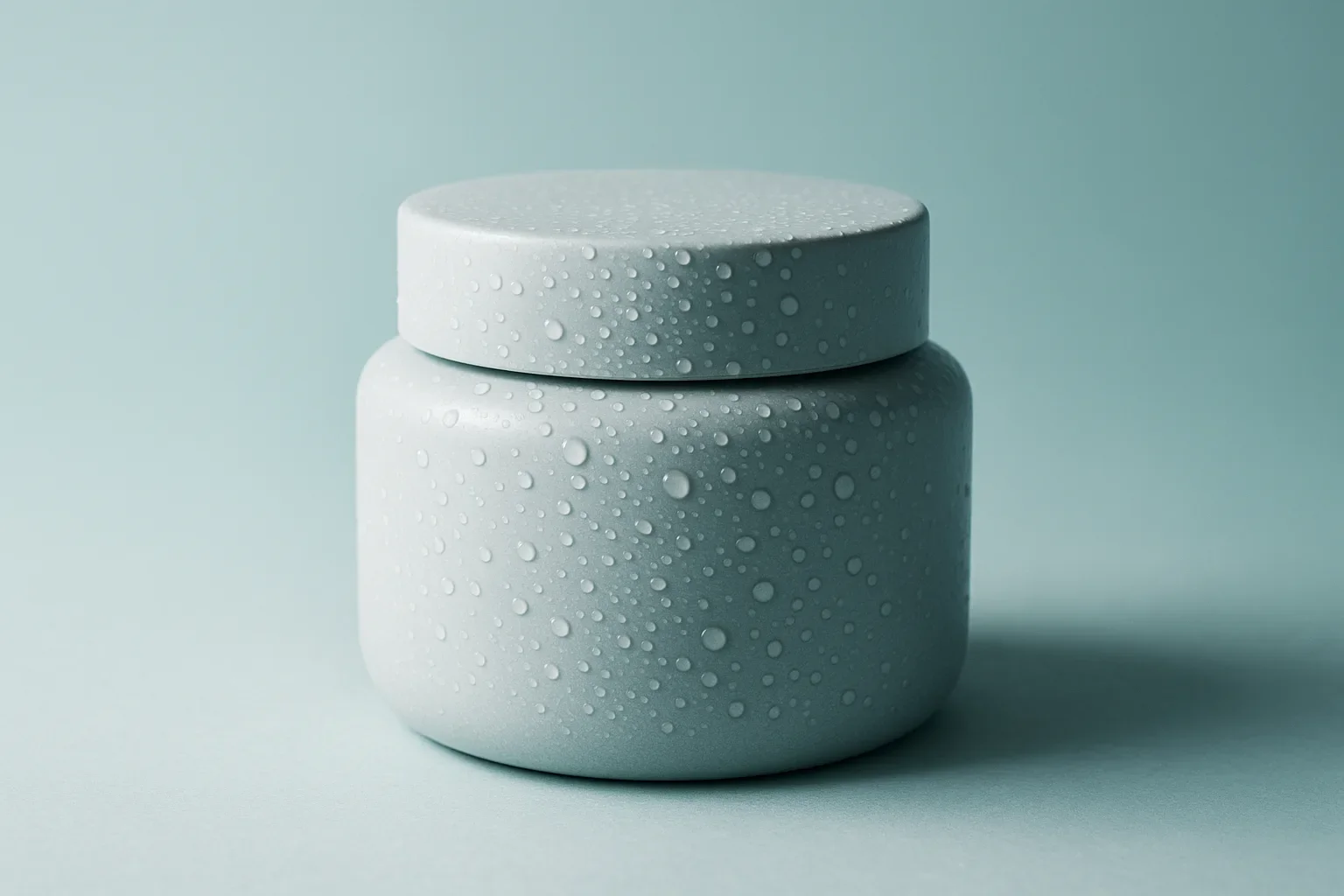
When pigmentation starts to bother you, the first step isn't 'what should I apply' but rather 'why did this happen.' In fact, pigmentation often isn't caused by a single factor but results from a combination of everyday elements like UV exposure, frequent friction, skin irritation, and dryness. Especially right after procedures like lifting or skin boosters, the skin is more sensitive than usual, so how you manage your lifestyle during this period can significantly affect your skin tone and texture afterward.
- 1Days 1–3Focus on soothing care amid redness and heat
- 2Days 4–7Tightness begins, switch to deep hydration care
- 3Weeks 1–2Stabilize skin condition, continue sun protection and friction management
Why pigmentation occurs and why it needs extra attention after procedures
When skin is exposed to UV rays, friction, or heat stimulation, it triggers a protective response, and if this process repeats or becomes excessive, it can cause uneven skin tone. In addition, when the skin barrier is weakened, it becomes more reactive to external stimuli, meaning irritation that would normally be harmless can build up as a burden on the skin.
Right after lifting procedures or skin booster treatments, the skin barrier is often temporarily weakened. During this period, neglecting sun protection, rubbing the skin, or failing to moisturize properly can leave the skin sensitive for longer. That's why aftercare is said to determine the outcome. Every little lifestyle habit ultimately shapes your skin condition.
How skin changes over time
In the 1-3 days right after the procedure, redness, warmth, and tightness are most pronounced. During this time, skin can react sensitively to external stimuli, so it's best to focus on sun protection and soothing care.
From day 4 onward, redness and irritation gradually subside, but you may feel tightness and dryness deep within the skin. At this stage, it's important to replenish moisture sufficiently—lack of hydration can lead to rough-looking texture or a dull tone.
After 1-2 weeks, skin condition is mostly stabilized, but repeated UV exposure or irritation during this period can slow recovery. That's why consistent lifestyle management tailored to each stage is necessary.
Step-by-step home care to follow
First, sun protection is essential every day, regardless of whether it's before or after a procedure. Don't skip sunscreen even on cloudy days or indoors. Adding physical protection like a hat or parasol when going out can also help.
Second is reducing friction. When cleansing, wrap your skin gently with foam rather than rubbing it, and pat dry with a towel instead of wiping. If you wear masks often, changing them frequently can help prevent friction buildup.
Third is moisturizing and soothing care suited to each stage. During days 1-3, right after the procedure when redness and warmth are present, focus on a lightweight texture centered on soothing. From day 4 onward, as redness subsides and inner tightness begins, gradually shift to care that replenishes deep moisture. Following different care routines by stage like this can help support your skin's recovery from irritation.
Why choosing the right cream for each stage matters
Since skin condition differs right after a procedure versus during recovery, it's more effective to switch creams by stage rather than relying on one product for the entire period. ZXQMAGAZINETERMABIJUZXQ Cream is designed in two stages to match this flow. For days 1-3 right after the procedure, when redness and warmth are prominent, the Ultra Cera-Rich Cream focuses on soothing and barrier care. From day 4 onward, as redness subsides and inner tightness is felt, the routine shifts to the Hydro Re-Boosting Cream for deep hydration and skin texture care. Both products are based on a 5-ceramide complex formulation, which can help create an environment similar to the skin's natural lipids.
Post-procedure recovery depends on your home care
Managing pigmentation ultimately starts with lifestyle habits that reduce irritation and protect the skin barrier, but during sensitive periods such as before and after procedures, adding timing-appropriate home care can help. The 2-STEP composition of the Aviju Cream is designed to distinguish between the period right after a procedure when soothing is needed and the recovery period when deep hydration is needed, allowing it to naturally work alongside step-by-step lifestyle management.
물리적 자극으로 붉어진 피부 진정에 도움. 개인차가 있을 수 있습니다.
출처 P&K 피부임상연구센타 시험성적서 (PNK-26224-RI2R)
손상된 장벽이 손상 전 수준으로 회복되는 데 도움. 개인차가 있을 수 있습니다.
출처 P&K 피부임상연구센타 시험성적서 (PNK-26224-RI2R)
화학적 자극으로 붉어진 피부 진정에 도움. 개인차가 있을 수 있습니다.
출처 P&K 피부임상연구센타 시험성적서 (PNK-26223-RI1R)
피부결이 자극 전 수준으로 정돈되는 데 도움. 개인차가 있을 수 있습니다.
출처 P&K 피부임상연구센타 시험성적서 (PNK-26223-RI1R)
FAQ
- From how many days after a procedure should I start paying attention to pigmentation?
- It's good to start sun protection and soothing care right after the procedure. From around day 4, once redness subsides, switching to deep hydration care can help stabilize the skin condition.
- Can I apply sunscreen starting the same day as the procedure?
- This depends on your skin condition, so it's best to follow the guidance given at the clinic where you had the procedure. However, since sun protection is an essential habit for pigmentation management, it's good to maintain it consistently from whenever possible.
- My skin seems to get more irritated from wearing masks frequently.
- Friction from masks can cause redness and irritation. It helps to change masks often and pay extra attention to soothing care on days when there's been friction.
- Does ABZU Cream have a direct effect on pigmentation?
- ABZU Cream isn't a product that directly removes pigmentation, but rather a home care product that helps soothe and hydrate sensitive skin and support barrier care after procedures. It's recommended to use it alongside lifestyle management.
- Can I use both products at the same time?
- Generally, they're designed to be used in separate phases. It's recommended to use Ultra Cera-Rich for the first 1–3 days right after the procedure, then switch to Hydro Re-Boosting from day 4 onward when you start feeling tightness.
Related products
 하이드로 리-부스팅 크림Buy
STEP 2 · 회복기 속보습
 울트라 세라-리치 크림Buy
STEP 1 · 시술 직후 진정·장벽 케어