
Pore Laser Effects and Treatment Information: From Principles to Recovery Care
Pore laser treatment aims to refine enlarged pores and rough skin texture through laser stimulation, targeting smoother-looking skin. The principle involves delivering microscopic stimulation to the dermis to induce collagen remodeling, with effects appearing gradually over multiple sessions and varying by individual. Whether to undergo the treatment and how to approach it should be decided after consultation with a specialist.
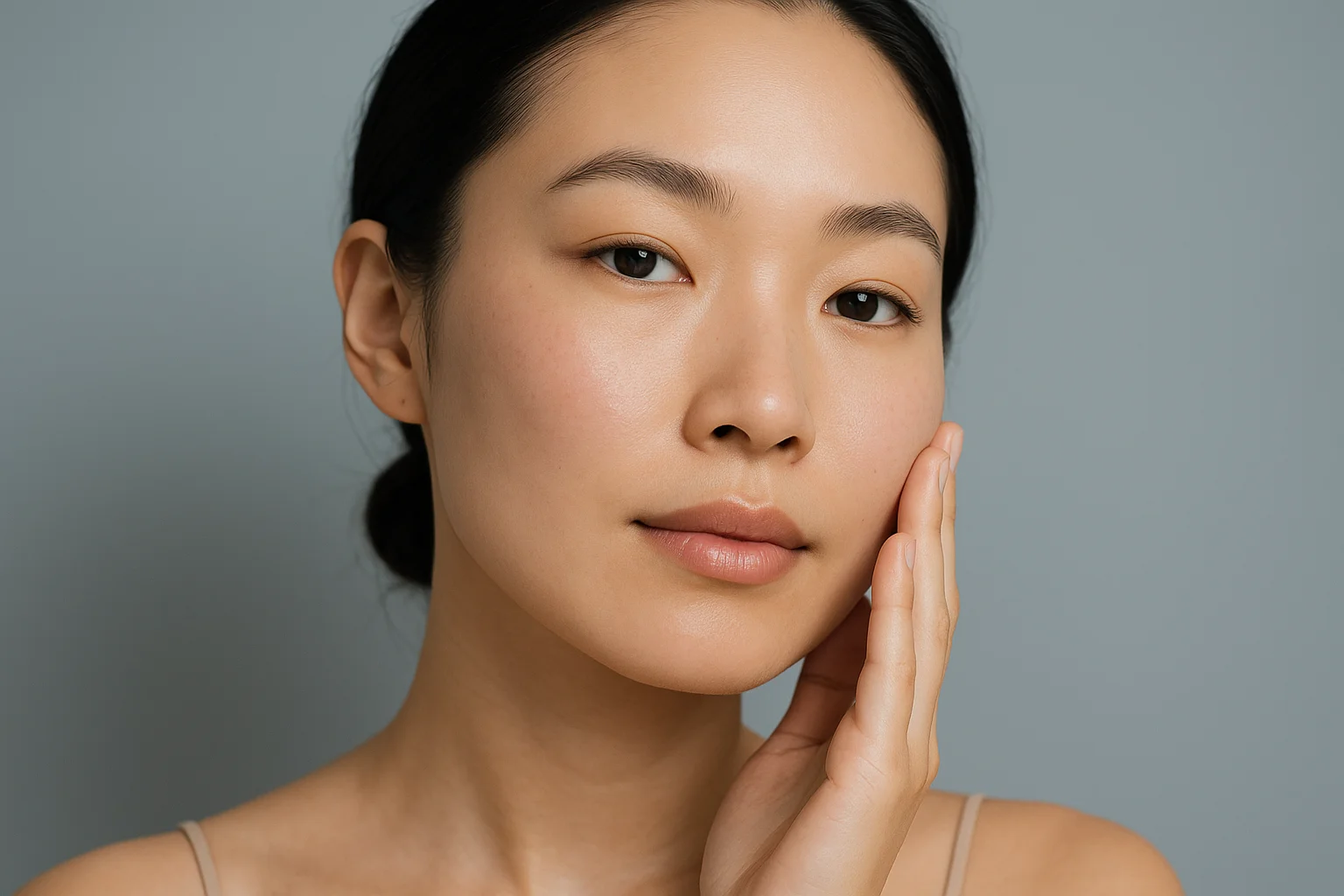
If enlarged pores around your nose and cheeks catch your eye every time you look in the mirror after washing your face, you may have searched for the term 'pore laser' at some point. Pores often appear enlarged due to excess sebum production or reduced skin elasticity, and pore laser treatment is known as a relatively short procedure that aims to refine this condition through laser stimulation for smoother-looking skin.
However, it's helpful to first understand that the underlying principle and depth of penetration differ depending on the treatment method and wavelength used, and that individual differences in the speed and degree of perceived results can be significant.
What Is Pore Laser Treatment?
There are various explanations for why pores appear enlarged. Excess sebum production can cause pore openings to look stretched, and some research suggests that as structural components like collagen and elastin around the pores decrease with age, the weakened support of the pore walls can make pores appear more relaxed.
Pore laser treatment is introduced as a procedure that applies microscopic heat or light stimulation to this condition, helping to regulate the environment around the sebaceous glands and inducing a collagen response in the dermis to support texture improvement. Devices commonly known to be used for pore management purposes include fractional lasers, picosecond lasers, and 1064nm long-pulse Nd:YAG lasers, with each device differing in the depth and method of approach.
How Does Pore Laser Treatment Work?
Pore laser treatment is explained as a mechanism that intentionally creates microscopic damage in the dermal layer to trigger the skin's own healing response. This process involves dermal remodeling, including rearrangement of the collagen matrix, and reports indicate that these changes can continue for a considerable period depending on the treatment method and individual differences.
In the case of fractional lasers, a single beam is known to be divided into multiple microscopic beams, creating microscopic injury zones surrounded by healthy tissue and inducing changes in the surrounding epidermis and dermis. This non-ablative approach, which leaves no open wound, is often described as having relatively less downtime.
There are reports that 1064nm long-pulse Nd:YAG lasers can activate fibroblasts through thermal and mechanical stimulation, inducing collagen and elastin production and remodeling, and some explanations suggest that the inflammatory response and cytokine release occurring in this process may also contribute to stimulating collagen formation. However, these mechanisms are explanations based on research reports, and actual results may vary depending on skin condition and treatment parameters.
How Deep Does Pore Laser Treatment Reach?
Some studies explain that non-ablative fractional lasers induce collagen remodeling to a depth of approximately 400–700 microns within the dermis through zones of collagen denaturation. This approach is said to elicit a dermal response without significantly damaging the epidermis; the diagram below is a conceptual illustration to aid understanding.
Actual treatment depth and intensity vary depending on the type of device, mode, and skin thickness at each treatment area, so this information is best understood as a reference rather than an absolute standard.
Pore Laser Effects: What Changes Can Be Expected?
Pore laser treatment is introduced as a procedure aiming to help with the following changes: refining enlarged pores, smoothing rough skin texture, alleviating excess sebum conditions, and improving elasticity through collagen response, among others commonly mentioned. However, these are simply the intended goals of the treatment, and actual effects and perceived results vary depending on individual skin condition, treatment parameters, and aftercare.
One controlled study reported that pore reduction was relatively superior after certain laser treatments compared to IPL treatment, but this reflects the results of a single study and cannot be generalized to all cases. Another comparative study observed a certain percentage change in pore count from baseline when using a 1565nm non-ablative fractional laser versus a 1064nm laser, respectively, though it also noted that the range of results varied depending on individual factors such as age and treatment conditions.
For picosecond lasers, a domestic study has proposed a hypothesis that pore size reduction and improved smoothness of the skin surface around hair follicles may occur gradually over several months through collagen remodeling in the dermis around the pores; however, it should be noted that this remains a hypothesis-stage explanation rather than a definitive conclusion.
The Pore Laser Treatment Process
The procedure is generally known to begin with a consultation and skin condition assessment, followed by cleansing, application of a topical anesthetic cream if needed, laser treatment adjusted to the area and mode, and finally soothing care and aftercare guidance. Treatment time is relatively short, at approximately 10–30 minutes depending on the area, and pain levels range from mild to moderate with individual variation.
In many cases, returning to daily activities is possible immediately after treatment, and redness is described as typically subsiding within a few days. However, this recovery course can also vary depending on individual skin response and treatment intensity, so it's necessary to thoroughly discuss the expected course with your medical provider beforehand.
Pore Laser vs. Sebum/Pore Management vs. Premium Peeling
Pore-related treatments can be divided into several categories depending on their purpose and approach. Pore laser treatment aims to refine enlarged pores themselves by inducing a collagen response through laser stimulation, while sebum/pore management focuses on maintaining and preventing sebum and pore conditions through regular care. Premium peeling involves applying a peeling agent to refine dead skin cells and surface texture, targeting a different layer and purpose.
Which treatment is suitable can vary depending on current pore condition, sebum production levels, skin elasticity, and desired recovery speed, so it's recommended to consult with a specialist to choose the method best suited to you.
Why Post-Treatment Recovery and Home Care Matter
Since pore laser treatment involves delivering microscopic stimulation to the dermis to induce collagen remodeling, the skin may become temporarily sensitive and have a weakened barrier immediately after treatment. During this period, sun protection and avoiding irritating ingredients, along with soothing and moisture-focused care, are especially emphasized.
Providing care that stabilizes the skin barrier and delivers deep hydration during the days when redness subsides, as well as throughout the recovery period as the collagen response gradually continues, can help the skin comfortably progress through the texture-improvement process that the treatment is intended to achieve.
Medically reviewed by 아비쥬의원 의료진. (September 10, 2026)