
Comparing Post-Treatment Dryness Care Options - Why Skin Feels Tight After Treatment and How to Manage It
If redness has faded after a lifting or skin booster treatment but your skin still feels tight and dry inside, this is a temporary inner-dryness reaction that can occur regardless of the type of procedure. Adjusting your home care by stage can help you get through it more comfortably.
Whether it's a lifting treatment like Ultherapy, Thermage, or Shurink, or a skin booster treatment like Rejuran or Juvelook, an unexpected challenge often shows up once the initial redness or warmth subsides. That's 'inner tightness.' Your skin may look fine on the outside, but you feel it tighten right after cleansing, makeup doesn't sit well, and the texture feels rough to the touch.
Although the treatment methods differ, there's a common thread from the skin's perspective. Whether it's thermal energy or micro-injection stimulation, the skin barrier is temporarily weakened, reducing its ability to hold onto moisture. That's why it's more important to care for your skin based on 'what stage it's currently in' rather than 'which treatment you received.'
- 1Days 1–3Focus on redness and warmth; prioritize soothing and protection
- 2Days 4–7Tightness and fine flaking; switch to deep hydration
- 3After 1–2 weeksTexture evens out; maintain a moisturizing routine to prevent recurrence
Why does inner dryness get especially worse after treatment?
The stratum corneum, the outermost layer of skin, is structured like bricks made of lipid components such as ceramides, cholesterol, and fatty acids, which block moisture evaporation. The thermal energy from lifting treatments or the micro-stimulation from skin boosters can create temporary gaps in this structure.
As a result, moisture escapes from the skin faster than usual, and the skin becomes more sensitive to external irritants. This often first appears as redness or a burning sensation, then shifts into a feeling of 'inner tightness' as that initial reaction subsides.
Recovery Timeline - What You Might Feel Day by Day
The 1 to 3 days right after a procedure are mainly marked by redness, warmth, and some sensitivity. During this time, it's best to focus on soothing the skin and protecting it from irritation.
Moving into days 4 to 7, redness and warmth noticeably decrease, but in their place, inner tightness and fine flaking often appear. This is the period when 'inner dryness' is felt the most.
After 1 to 2 weeks, most skin tends to settle back into a smoother texture, but if your skin is naturally dry or home care hasn't been sufficient, this tightness can last longer. Since individual differences exist, the key is to take care of your skin step by step without rushing.
Step-by-Step Home Care - Which Stage Is Your Skin In Right Now?
① Days 1 to 3 right after the procedure, when redness and warmth are present: Apply products gently as if layering them on, without rubbing. During this period, the priority is care that minimizes irritation while focusing on soothing. Keep cleansing brief with lukewarm water, and pause exfoliation or products with friction for a while.
② Days 4 to 7, when inner tightness and flaking appear: From this point, the 'depth' of moisture matters more than the 'amount.' Even if the surface looks fine, the inside may still be dehydrated, so it helps to thoroughly layer products using a light patting motion to let them absorb.
③ After 1 to 2 weeks, when texture settles down: Maintaining a consistent moisturizing routine during this period helps prevent tightness from returning. It's also a good habit to keep up even on regular days when you feel your skin barrier has weakened, not just after a procedure.
Before Moving on to Product Recommendations, a Point to Remember
Post-procedure care ultimately starts with knowing 'which stage your skin is in right now.' Since the care needed differs by stage, it's more natural to switch products according to the stage rather than trying to solve every stage with a single cream.
Recovery After a Procedure Depends on Home Care
Created with this stage-by-stage flow in mind is the 2-STEP system of ZXQMAGAZINETERM Avizew ZXQ cream. During the first 1 to 3 days after a procedure, when redness and warmth are dominant, focus on soothing and barrier care with the Ultra Cera-Rich Cream (STEP1); after day 4, when inner tightness and flaking start to bother you, move on to the Hydro Re-Boosting Cream (STEP2) to continue deep hydration and texture care. Each is 50ml and priced at 59,000 KRW, available on the brand's official site.
물리적 자극으로 붉어진 피부의 붉은기 진정에 도움. 개인차가 있을 수 있습니다.
출처 P&K 피부임상연구센타 시험성적서 (PNK-26224-RI2R)
물리적 자극으로 손상된 장벽이 손상 전 수준으로 회복되는 데 도움. 개인차가 있을 수 있습니다.
출처 P&K 피부임상연구센타 시험성적서 (PNK-26224-RI2R)
자극 후 건조함 케어에 도움. 개인차가 있을 수 있습니다.
출처 P&K 피부임상연구센타 시험성적서 (PNK-26223-RI1R)
피부결 정돈에 도움. 개인차가 있을 수 있습니다.
출처 P&K 피부임상연구센타 시험성적서 (PNK-26223-RI1R)
사용 24시간 후에도 보습 수치 유지에 도움. 개인차가 있을 수 있습니다.
출처 P&K 피부임상연구센타 시험성적서 (PNK-26223-RI1R)
FAQ
- Does the timing of inner dryness differ depending on the treatment?
- There may be some variation depending on the type of treatment or individual skin condition, but in many cases, redness and warmth appear in the first 1–3 days, followed by tightness and fine flaking around days 4–7. Individual differences may apply.
- Is it okay if the tightness continues for more than two weeks?
- In most cases, consistent moisturizing care tends to settle things down within 1–2 weeks, but if the tightness persists for a long time or is accompanied by other discomfort, it's recommended to consult with the clinic where you had the procedure or a dermatologist.
- Should I switch moisturizing creams even if there's no redness?
- Even after redness has subsided, your skin may still lack moisture internally. During this period, it may help to switch to a product focused on deep hydration rather than soothing.
- Can I use two creams together at the same time?
- Generally, it's recommended to use products in stages according to the timeline, but depending on skin condition, some people do mix them. For specific questions, please check the product detail page or point of purchase.
Related products
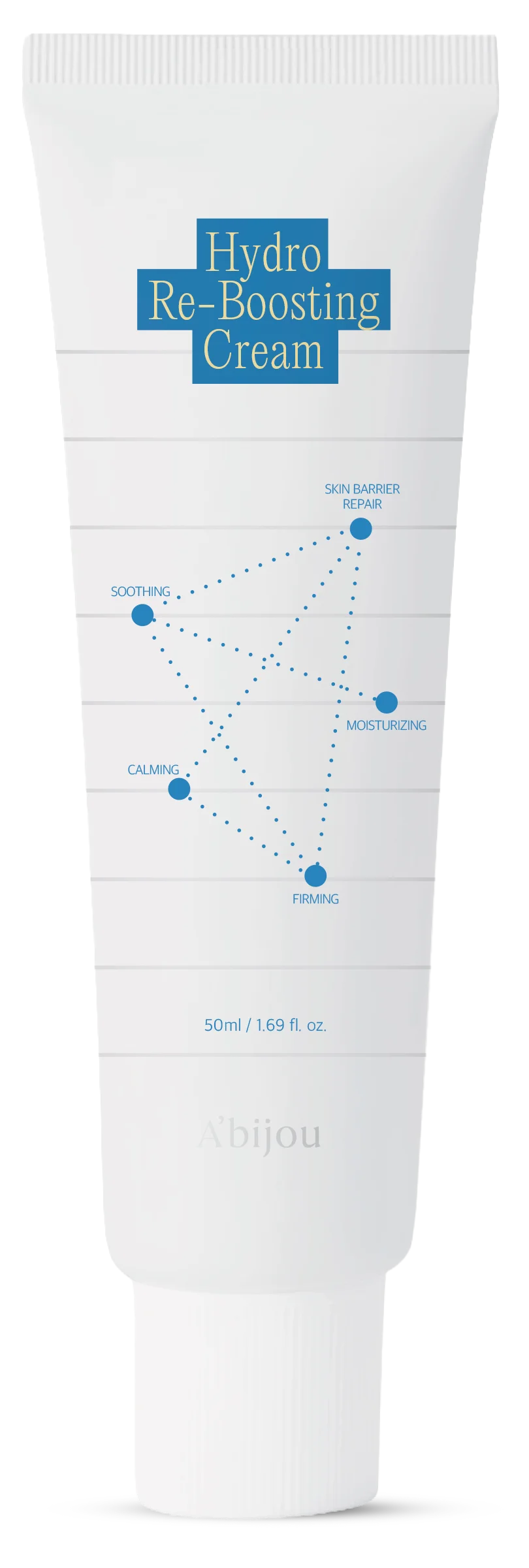 하이드로 리-부스팅 크림Buy
STEP 2 · 회복기 속보습
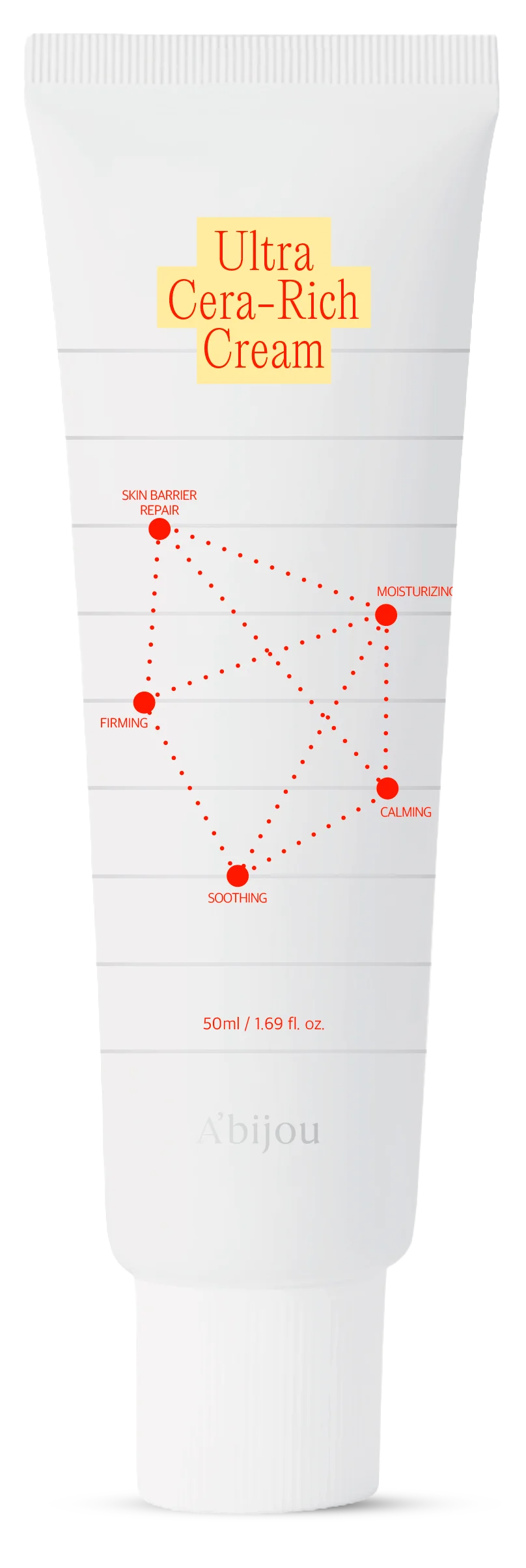 울트라 세라-리치 크림Buy
STEP 1 · 시술 직후 진정·장벽 케어