
Is It Really Okay to Take Probiotics Together After a Procedure?
There is no evidence that taking probiotics interferes with the results of lifting or skin booster procedures. However, immediately after a procedure, skin condition is often more influenced by 'applied care' than by what you eat, so it's important to focus on stage-by-stage home care regardless of supplement intake.
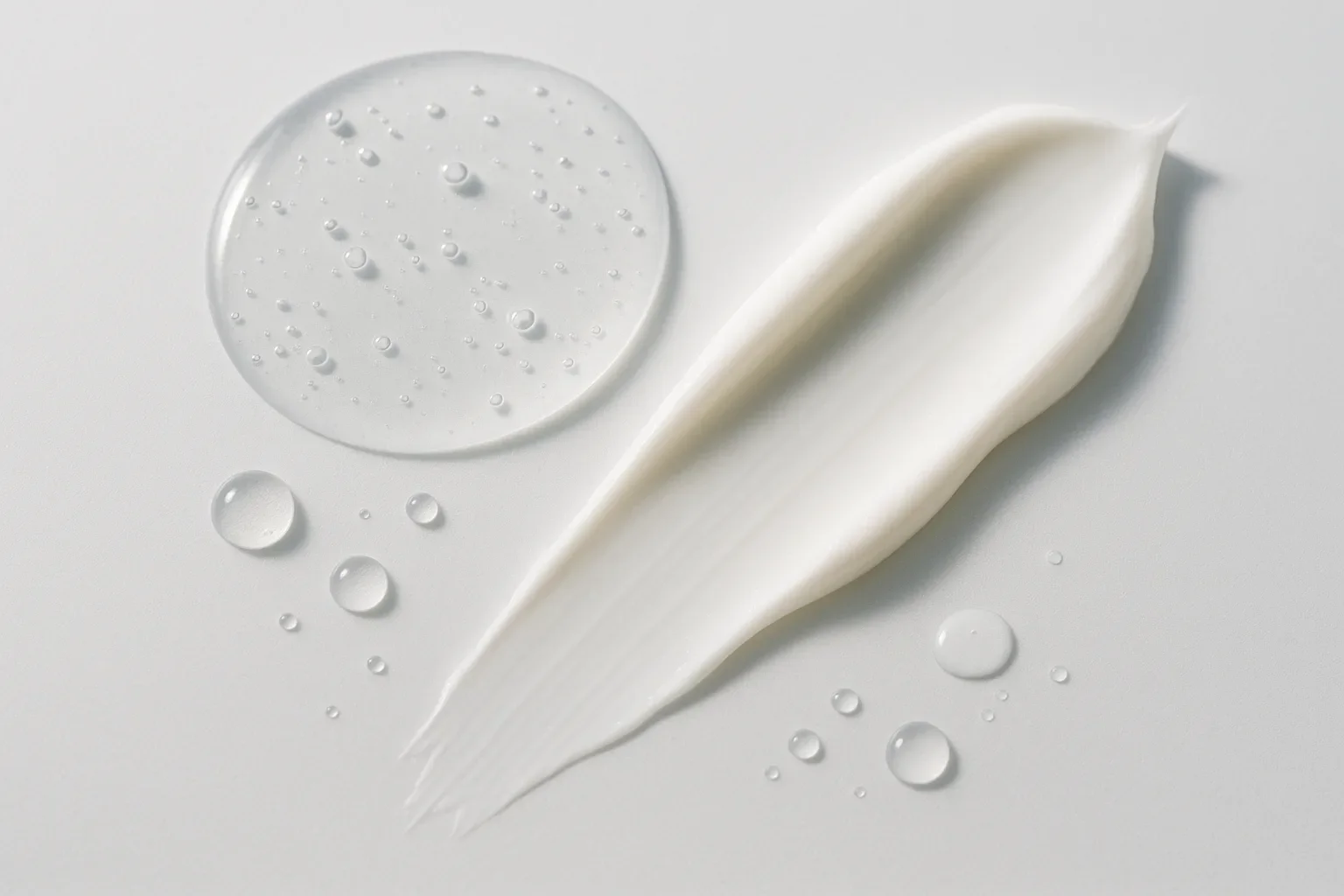
Many people who are about to undergo or have just finished a procedure wonder whether it's okay to take probiotics, or whether doing so might actually interfere with recovery.
To state the conclusion first: probiotics are a dietary supplement that supports gut health, and there is no confirmed evidence of a direct conflict with the recovery process of lifting or skin booster procedures. However, since the skin condition at the treated area is more immediately affected by surface irritation, hydration, and barrier status than by the gut environment, it helps to distinguish between 'dietary care' and 'applied care.'
Why People Wonder About the 'Compatibility of Probiotics and Procedures'
Those who pay close attention to their condition before and after a procedure naturally re-examine everything they eat and apply. As probiotics have become known as supplements that support gut balance, and as awareness has spread that skin condition and gut health are connected, curiosity about whether to take them around the time of a procedure appears to have grown.
However, the redness, sensitivity, and dryness that appear right after lifting, thermal energy, or skin booster procedures are reactions resulting from the physical and thermal stimulation of the skin's surface and dermal layer caused by the procedure itself. These reactions are influenced far more by the skincare products applied directly to the treated area and by irritation management than by any supplements taken orally.
Stage-by-Stage Progress: How Skin Changes After a Procedure
Immediately after the procedure to day 3: This is the period when redness, heat sensation, and slight sensitivity may appear at the treated area. During this time, it's best to avoid irritating ingredients or friction and focus on soothing and barrier care.
Day 4 to day 7: As the initial redness subsides, tightness or fine flaking often appears in the skin. From this point, you enter a recovery phase that requires attention to deep hydration and skin texture care.
This flow may vary slightly depending on the type of procedure, but the overall framework—'initial soothing → followed by deep hydration'—is common. Understanding this phase-by-phase flow allows you to care for your skin according to its own recovery rhythm, regardless of whether you take probiotics.
Step-by-step home care: Application order comes before what you eat
Stage 1 (immediately after the procedure to day 3): Keep cleansing to a minimum, avoid irritating exfoliation or massage, and manage the skin by covering it with a low-irritation, soothing cream.
Stage 2 (from day 4 onward): Once the redness subsides, switch to a deep-hydration-focused cream that addresses tightness and flaking. If hydration is insufficient during this period, the rough texture of the skin may linger for a long time.
If you want to continue taking probiotics or other supplements alongside, it's practical to simply maintain your usual routine while separately managing the treated skin area through step-by-step skincare.
Post-procedure recovery is determined by home care
As such, post-procedure skin condition is more directly influenced by 'when you apply what' rather than 'what you eat.' ZXQMAGAZINETERMABJUZXQ cream is structured in two steps to match this flow. During the sensitive period of 1 to 3 days immediately after the procedure, STEP1 Ultra Cera-Rich Cream focuses on soothing redness and barrier care, while from day 4 onward, when tightness and flaking become noticeable, STEP2 Hydro Re-Boosting Cream continues with deep hydration and skin texture care.
FAQ
- Is it okay to take probiotics before or after a procedure?
- Probiotics are a dietary supplement for gut health, and there is no confirmed evidence that they directly conflict with the recovery process after a procedure. However, if you have a specific health condition or are taking medication, it is safer to consult your doctor before deciding whether to take them.
- Which is more important, dietary care or applied skin care?
- Surface conditions like redness or dryness at the treated area are often more immediately affected by skincare products and irritation management. Dietary supplements are best understood as something that can be taken alongside this as part of overall condition management.
- What care should be prioritized in the first few days right after a procedure?
- In the first 1 to 3 days after a procedure, redness and warmth may appear, so it's best to minimize irritation and use low-irritation products focused on soothing and barrier care.
- How should you care for your skin after the redness subsides?
- Usually from around day 4 onward, the concern shifts from redness to tightness and fine flaking. At this stage, it may help to switch to a cream focused on deep hydration and smoothing skin texture.
Related products
 하이드로 리-부스팅 크림Buy
STEP 2 · 회복기 속보습
 울트라 세라-리치 크림Buy
STEP 1 · 시술 직후 진정·장벽 케어