
Probiotic Content vs Composition: Which Matters More?
In cosmetic ingredient lists, when it comes to probiotics, 'what form and combination they are formulated in' may have a greater impact on actual usage feel and skin response than 'how many percent are included.' Rather than judging product quality solely by content figures, it is reasonable to check the combination with skin barrier and moisturizing ingredients together with the presence of actual clinical data. For sensitive skin after a procedure, the irritation-soothing design of the overall composition is more important than the content amount.
When choosing cosmetics, it is easy to look at probiotic-related labeling on the ingredient list and think 'the higher the content, the better.' In reality, however, the ingredient form (live bacteria, lysed cell bodies, fermentation filtrate, etc.) and the balance with other ingredients in the overall composition often determine the actual perceived effect on the skin.
In particular, most probiotic-derived ingredients used in cosmetics are in the form of lysed (inactivated) cell bodies or fermentation filtrates rather than live bacteria acting directly, so the refining and stabilization process, along with the moisturizing and barrier ingredients formulated together, play a bigger role than the simple content figure.
What's the difference between content and composition?
'Content' refers to the proportion a specific ingredient occupies in the overall formulation, while 'composition' refers to which ingredients are combined together and in what ratio. Even with the same probiotic-derived ingredient, whether it is formulated together with skin-conditioning ingredients such as ceramide, panthenol, or niacinamide can greatly affect spreadability, absorption feel, and the sensation left on the skin.
For example, even if a product is labeled as having a high probiotic content, if the overall composition is not designed with a structure similar to skin lipids, it may just sit on the surface or leave a sticky feeling, with reduced actual hydration and soothing effects. Conversely, products with lower content but well-balanced formulations with lipid components often show more stable absorption and lasting sensation.
How the experience varies by skin type and condition
Healthy skin may not notice much difference even with somewhat lower content, but skin with a weakened barrier or sensitivity after procedures reacts more sensitively to the overall irritation-relief design of the formulation. In this case, it is more practical to check whether soothing and moisturizing ingredients like allantoin, panthenol, and beta-glucan are included together, and whether actual clinical trial data is disclosed, rather than relying solely on the probiotic labeling.
Since the ingredient list alone makes it difficult to know the exact composition ratio, examining the clinical trial conditions and results disclosed by the brand together provides a more reliable basis for judgment than relying on a single content figure.
Things to check when choosing a product
First, check whether probiotic-derived ingredients are positioned toward the front of the full ingredient list (indicating a higher content ranking). Second, look at whether components similar to skin lipids, such as ceramides, cholesterol, and fatty acids, are included together in the formulation. Third, check whether ingredients that help relieve irritation or provide moisture (such as panthenol, allantoin) are blended in as well. Fourth, if possible, it is good to check whether actual data, such as clinical trials, is disclosed along with the conditions.
Especially during sensitive periods like the recovery phase after a procedure, whether the entire cream is designed for barrier care and soothing matters far more than the content of a single ingredient. How the home care routine is structured during this period can affect the recovery experience.
Why formulation design matters during post-procedure recovery
Right after lifting or skin booster procedures, the skin barrier may be temporarily weakened, and redness, dryness, and tightness may appear. During this period, whether the cream used absorbs without irritation through a balanced composition of multiple soothing and moisturizing ingredients matters more to the experience than the number for a specific ingredient's content.
The 1 to 3 days right after the procedure are marked by prominent redness and heat, requiring a formulation centered on soothing and barrier care, while from day 4 onward during recovery, inner tightness and flaking become more prominent, so a formulation that maintains moisture for a long time can be helpful.
Try dividing your home care into stages like this
During days 1 to 3 right after the procedure, it is good to focus on soothing care by applying thin layers multiple times while minimizing friction and irritation. The habit of patting the product in for absorption without rubbing, even after cleansing, can help.
From day 4 onward, as redness subsides, inner tightness or fine flaking often appears. At this point, it is necessary to switch to a formulation with long-lasting moisturizing power to fill the stratum corneum with hydration.
Home care determines post-procedure recovery
For these reasons, ABZU Cream chose a 2-STEP formulation design tailored to changes in skin condition after procedures, rather than competing on the content of a single ingredient like probiotics. Immediately after a procedure, the Ultra Cera-Rich Cream, centered on 5 types of ceramides and panthenol, helps soothe redness and care for the skin barrier, while during the recovery period, the Hydro Re-Boosting Cream continues to provide deep moisture and skin texture care. Both products underwent human application testing at the P&K Skin Research Center, and were developed with a focus on the overall balance of the formulation rather than the content of individual ingredients.
물리적 자극으로 붉어진 피부가 손상 전 수준으로 회복되는 데 도움. 개인차가 있을 수 있습니다.
출처 P&K 피부임상연구센타 시험성적서 (PNK-26224-RI2R)
손상된 장벽이 손상 전 수준으로 회복되는 데 도움. 개인차가 있을 수 있습니다.
출처 P&K 피부임상연구센타 시험성적서 (PNK-26224-RI2R)
자극 후 건조함 케어에 도움. 개인차가 있을 수 있습니다.
출처 P&K 피부임상연구센타 시험성적서 (PNK-26223-RI1R)
피부결이 자극 전 수준으로 정돈되는 데 도움. 개인차가 있을 수 있습니다.
출처 P&K 피부임상연구센타 시험성적서 (PNK-26223-RI1R)
FAQ
- Is a product with a higher probiotic content always better?
- A higher content does not always mean a better perceived effect. The ingredient form and the compositional balance with other moisturizing and soothing ingredients must be considered together for it to more closely reflect actual usage feel and results.
- Can you tell the composition ratio just by looking at the cosmetic ingredient list?
- Ingredient lists are generally labeled in order of content, but the exact ratios are often not disclosed. It helps to also check the clinical trial data that brands make public.
- What kind of composition cream should be used after a procedure?
- Immediately after a procedure, it is suitable to use a composition focused on soothing and barrier care, and once redness has subsided, gradually switch to a composition focused on deep hydration, matching the changes in skin condition.
- Does using probiotics together with ceramide improve the effect further?
- It cannot be stated definitively, but when ingredients similar to skin lipids, such as ceramide, are formulated together, a more stable perceived effect can be expected in terms of moisturizing and barrier care.
- How should clinical figures be checked to be trustworthy?
- Rather than relying on a standalone figure, it is better to check whether the test conditions (subjects, type of irritation, duration of use) and sources are clearly stated, while also considering that individual differences may exist.
Related products
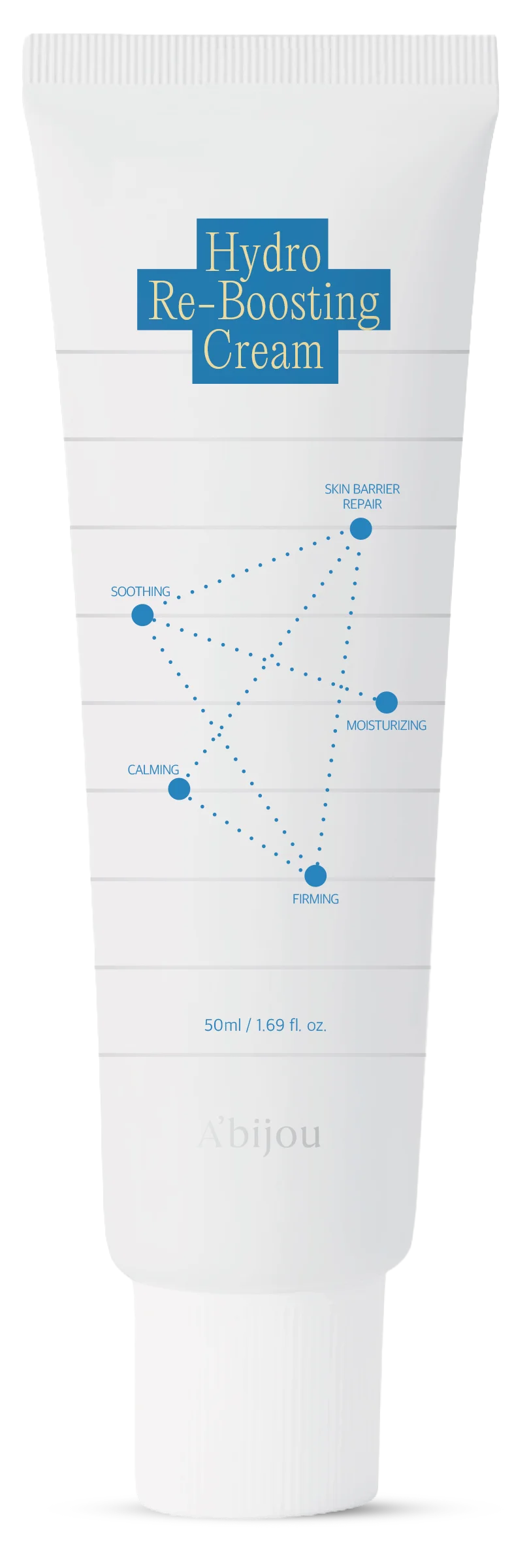 하이드로 리-부스팅 크림Buy
STEP 2 · 회복기 속보습
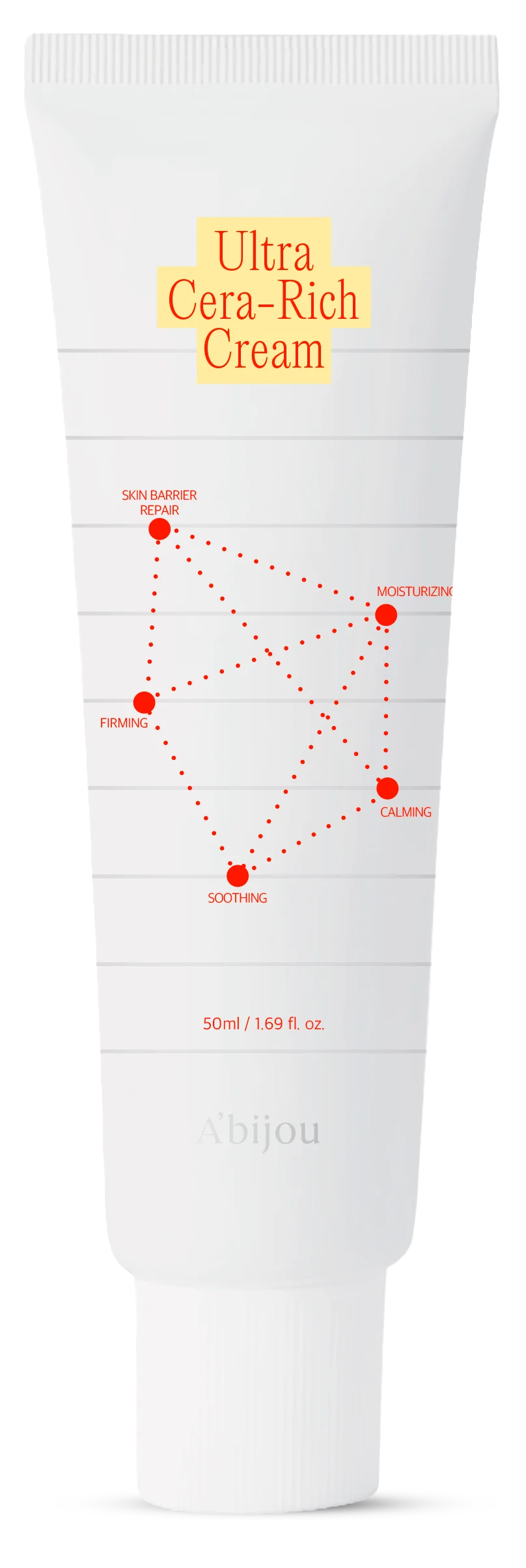 울트라 세라-리치 크림Buy
STEP 1 · 시술 직후 진정·장벽 케어