
Procedures for Dark Circles: What Types Are Available?
Dark circles are generally divided into a pigmentation type, where the under-eye area appears darker due to pigment, and a hollow/shadow type, where volume loss adds to the shadowing. The approach to treatment differs depending on the cause: pigmentation type often considers laser or injection procedures, while hollow type often considers volume supplementation. Accurately identifying the type and choosing a suitable procedure requires consultation with a specialist.
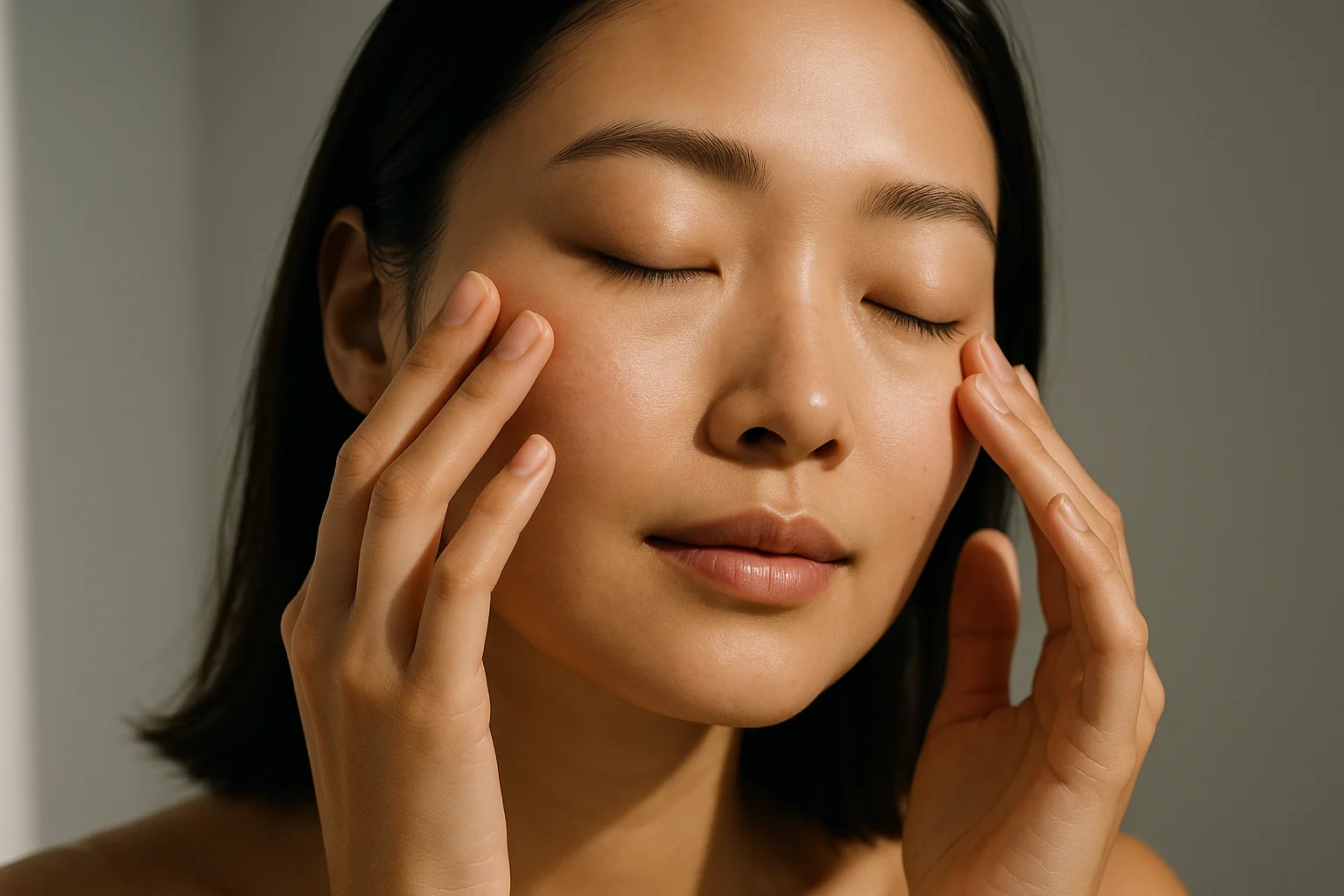
If your under-eye area looks noticeably dark every time you check the mirror, the first step is identifying whether the cause is pigmentation or hollowing. The approach to dark circles differs depending on the cause, and both the effect and how it feels can vary from person to person.
Why Do Dark Circles Occur?
Dark circles often appear because the under-eye skin is thin, allowing blood vessels and pigment underneath to show through, or because melanin has accumulated in that area. When under-eye fat loss or structural shadowing is added on top of this, the darkness can appear even more pronounced.
That's why, when addressing dark circles, it's important not to simply focus on the fact that the area 'looks dark,' but first to distinguish whether it's pigmentation type, hollow type, or a mixed type combining both. This distinction determines the direction of any subsequent procedure.
Types of Procedures Considered for Dark Circles
For dark circles caused by pigmentation, pigment lasers are considered. This method uses laser energy with the aim of selectively breaking down pigment that has accumulated under the eyes.
When the goal is to improve overall under-eye skin texture and condition, under-eye skin boosters are often mentioned. This injection-based method aims to help manage the condition of the under-eye skin.
When dark circles appear more pronounced due to hollowing or shadowing, an approach using under-eye filler to supplement volume may also be considered.
For managing pigmentation by improving the overall skin environment, injection procedures such as melasma injections are sometimes mentioned as well.
That said, the choice of procedure can vary depending on individual skin condition, the type of dark circles, and personal goals, so it is strongly recommended to make this decision through consultation with a specialist.
How to Choose a Dark Circle Procedure
When pigmentation is the primary cause of dark circles, laser or injection procedures that directly address the pigment are often used, while when hollowing or shadowing is the main cause, volume-supplementing methods are also considered.
For mixed types combining both factors, procedures are sometimes carried out in stages rather than addressing everything at once. Since it can be difficult to judge which type your dark circles are closer to by eye alone, checking the type through a consultation can be helpful.
After the procedure, mild swelling or bruising may be visible for a few days, and recovery speed and how long results last can vary by individual. Since the under-eye area has thin skin, it's common to adjust the intensity and depth accordingly, and it's safest to confirm through consultation whether a given method suits you.
Recovery Period After the Procedure: Under-Eye Home Care Tips
Right after a dark circle procedure, the skin around the eyes may be sensitive, so home care that reduces irritation and stabilizes the skin barrier can help with recovery. The eye area in particular is thinner than other areas, so soothing and moisturizing care are considered especially important.
If you feel temporary redness or sensitivity right after a laser or injection procedure, it may help to first calm the skin barrier with low-irritation soothing care, then move on to deep-hydrating care once you enter the recovery phase. It's best to follow the guidance of the medical institution that performed the procedure for aftercare, and to consult a specialist if any adverse reaction occurs.
Home Care Makes a Difference in Post-Procedure Recovery
After a dark circle procedure, the skin around the eyes may become temporarily sensitive, so soothing care that minimizes irritation and calms the skin barrier right after the procedure, followed by deep-hydrating care during the recovery phase, can be helpful. ABJU Cream is designed to support these recovery stages, with STEP1 Ultra Cera-Rich for soothing and barrier care immediately after the procedure, and STEP2 Hydro Re-Boosting for deep-hydration care during the recovery phase. However, this is meant as a home care supplement rather than a substitute for the procedure itself, and it's best to follow your medical provider's guidance for care of the treated area.
FAQ
- Can procedures lighten dark circles?
- Dark circle procedures aim to refine pigmentation and the under-eye environment to soften the darker appearance. However, results and how noticeable they feel can vary depending on the type of dark circles and individual skin condition.
- Which procedure should be considered first for dark circles?
- The starting point differs depending on whether the dark circles are pigmentation type or hollow type. For pigmentation type, pigment lasers or injection procedures are often considered first, while for hollow type, volume supplementation with filler is often prioritized. An accurate assessment is made through consultation.
- Is there downtime after dark circle procedures?
- Depending on the method, mild swelling or bruising may be visible for a few days. Recovery speed varies by individual, so it's advisable to check the expected course with your medical provider before the procedure.
- How long do the effects of dark circle procedures last?
- Because factors like skin thickness and lifestyle habits can cause dark circles to darken again over time, the duration of results varies by individual. Consistent home care after the procedure may help with ongoing management.
- Are dark circle procedures harsh on the eye area?
- Since the skin around the eyes is thin, it's common practice to adjust the intensity and depth of the procedure accordingly. To confirm whether a particular method is suitable for you, it's safest to consult with a specialist.
Medically reviewed by 아비쥬의원 의료진. (September 10, 2026)