
Purslane Extract Content vs Composition: Which Matters More When Reading Cosmetic Ingredient Lists?
For purslane extract, how it's combined with other ingredients and in what ratio within the overall composition affects actual usage feel and skin response more than the simple content (%) figure alone. Rather than focusing on the high-content labeling of a single ingredient, looking at how barrier- and moisture-related ingredients are collectively designed together is a more reasonable selection criterion.
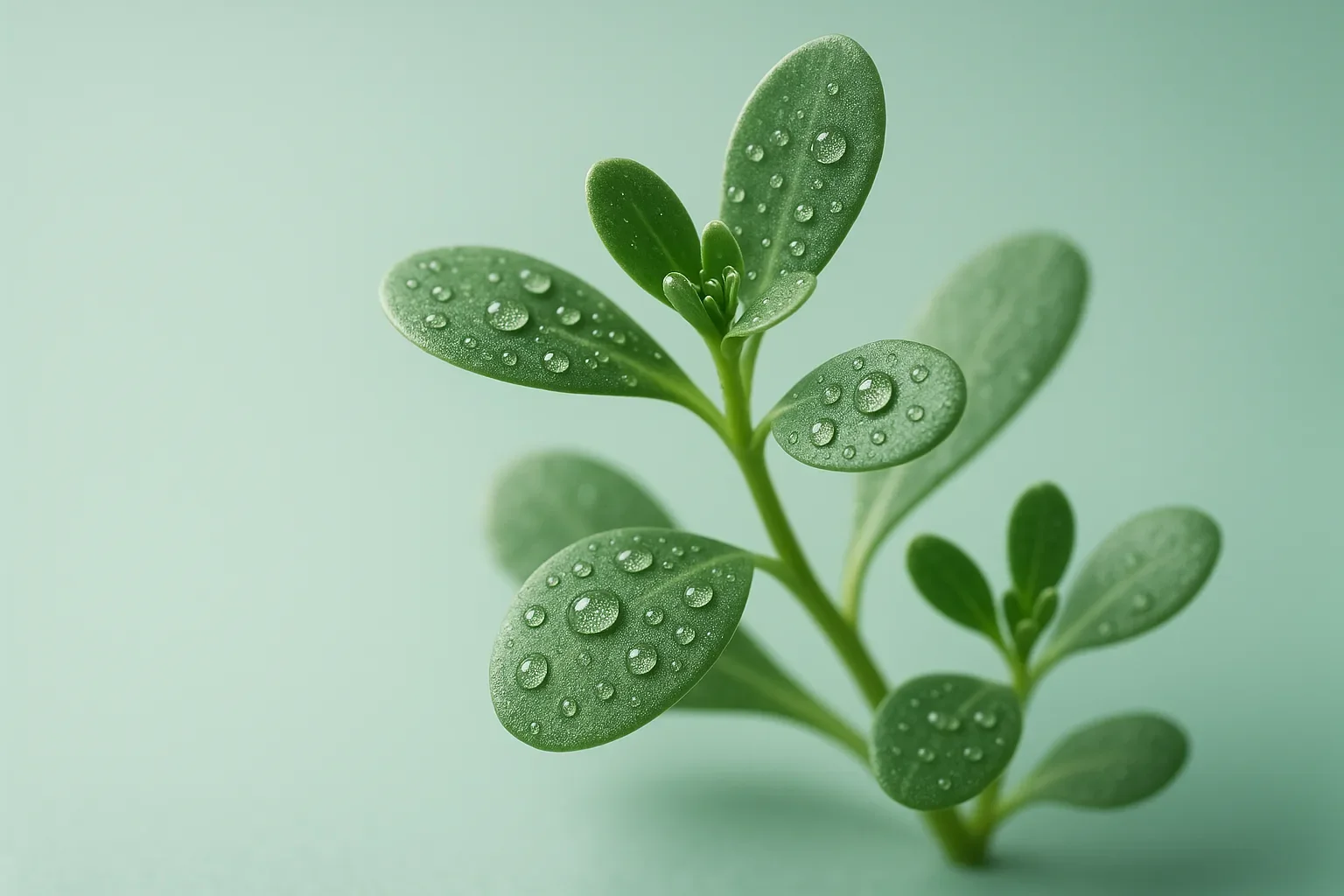
When choosing cosmetics, we often get asked, 'How many percent purslane extract does this contain?' But to state the conclusion first, it's difficult to judge a product's soothing or moisturizing power based solely on the content figure of a specific ingredient.
Purslane extract is widely used as a skin-soothing care ingredient, but even at the same content level, the perceived results can vary depending on which base ingredients it's blended with and what role it plays within the overall composition.
Purslane Extract: Why It's Hard to Judge by Content Alone
Purslane extract is classified as one of the plant extract ingredients that can help with skin soothing. However, depending on the raw material's concentration method, extraction solvent, and purification method, the actual proportion of active ingredients can differ even with the same 'content %' labeling.
In other words, the number listed on the ingredient list only indicates 'the proportion this raw material occupies within the entire formulation,' and does not guarantee the concentration or absorption rate of the active ingredients within it. For this reason, dermatological science often places more importance on the 'compositional design,' where barrier- and soothing-related ingredients such as ceramide, panthenol, and allantoin are combined together, rather than the high content of a single raw material alone.
Why Composition Matters More Than Content — Skin Response Appears Differently by Stage
In situations where skin becomes sensitive (UV exposure, friction, dryness, post-procedure, etc.), the timing for soothing care and the timing for moisturizing care differ. Right after irritation occurs, a combination of ingredients that calms redness and heat is the priority, while a few days later, once redness has subsided, a moisture-focused formulation that addresses tightness and flaking becomes more necessary.
Considering this progression, choosing a 'formulation suited to your current skin condition' is a more practical criterion than relying on the high content of a single ingredient.
A Phase-by-Phase Home Care Guide — From Immediately After Irritation to the Recovery Period
Days 1-3: In the early stage when redness and heat remain, it's best to apply a thin layer of a low-irritation formulation focused on soothing, reducing further stimulation. Applying it in a thick layer without rubbing, letting it absorb, is recommended.
From day 4 onward: As redness subsides, a period comes when the skin feels tight and flaking appears. At this point, switching to a formulation focused on deep moisture and skin texture care, rather than soothing, can be helpful.
This phase-based approach applies equally to care after lifting procedures or skin booster treatments, and it's worth noting that post-procedure care plays an important role in overall skin condition recovery.
What to Actually Check When Looking at an Ingredient List
① Whether soothing ingredients such as purslane extract are combined with barrier and moisturizing ingredients like ceramides, panthenol, and allantoin; ② whether the ingredients placed near the top of the full ingredient list (high concentration) match your skin concerns; and ③ whether safety verification such as a primary irritation test has been confirmed — these are far more useful criteria than a single content number.
Post-Procedure Recovery Is Determined by Home Care
This formulation-centered approach is also reflected in the 2-STEP design of ZXQMAGAZINETERM001ZXQ Cream. For the stage right after irritation, the Ultra Cera-Rich Cream, focused on soothing and barrier care with 5 types of ceramides and panthenol, was designed for use, while for the recovery period once redness has subsided, the Hydro Re-Boosting Cream, focused on deep moisture and skin texture care centered on panthenol and niacinamide, was designed for use according to the stage. This is the result of prioritizing formulation design suited to skin condition by phase over the content of any single ingredient.
FAQ
- Does a higher purslane extract content mean better soothing effects?
- It's difficult to conclude based on the content figure alone. The perceived soothing effect can vary depending on the extraction method and combination with other ingredients in the overall composition, so it's more reasonable to look at the overall composition rather than just the content.
- What exactly does 'content %' mean on a cosmetic ingredient list?
- It refers to the proportion that ingredient occupies within the entire formulation. Since it's not an indicator of the raw material's own concentration or active ingredient concentration, it's necessary to also check its combination with other ingredients.
- What's the difference when purslane extract and ceramide are used together?
- Purslane extract is known as an ingredient that can help with skin soothing care, while ceramide, with a composition similar to skin lipids, is known as an ingredient that can help with barrier care. A product composed with both categories together can be seen as designed with both soothing and barrier care in mind.
- Should composition be prioritized over content even after procedures?
- Yes. Switching to a soothing-focused composition right after a procedure and a moisture-focused composition during the recovery period, in line with each stage, may be more suitable for changes in skin condition than continuously using a single high-content product.
Related products
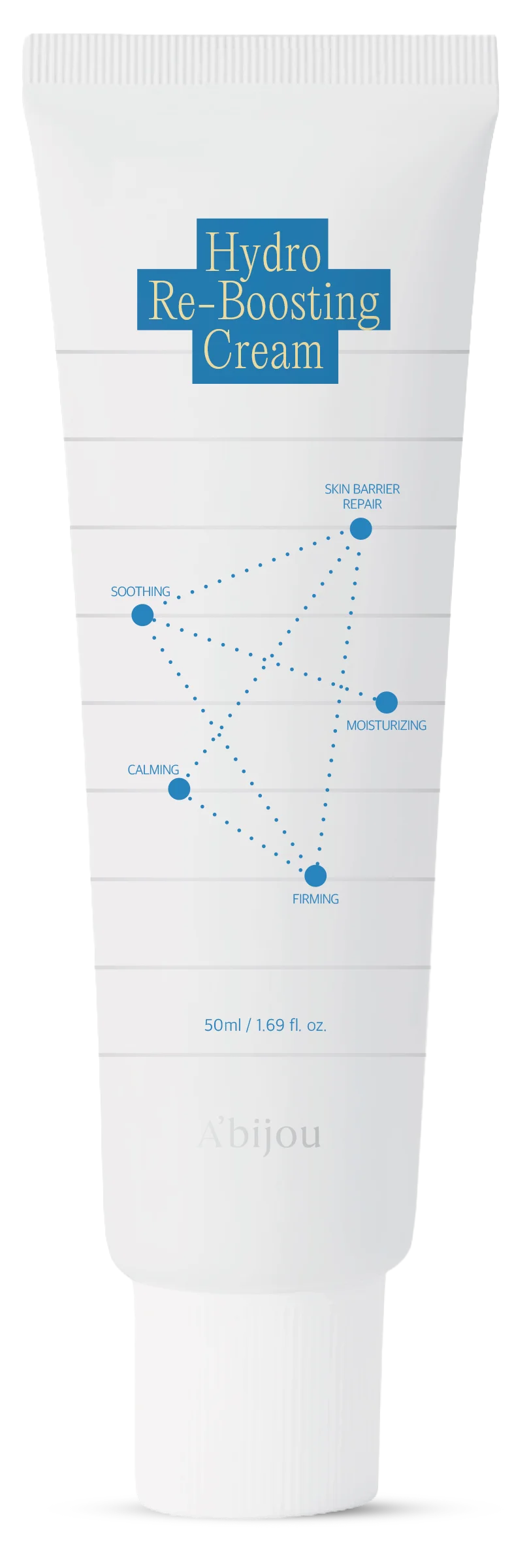 하이드로 리-부스팅 크림Buy
STEP 2 · 회복기 속보습
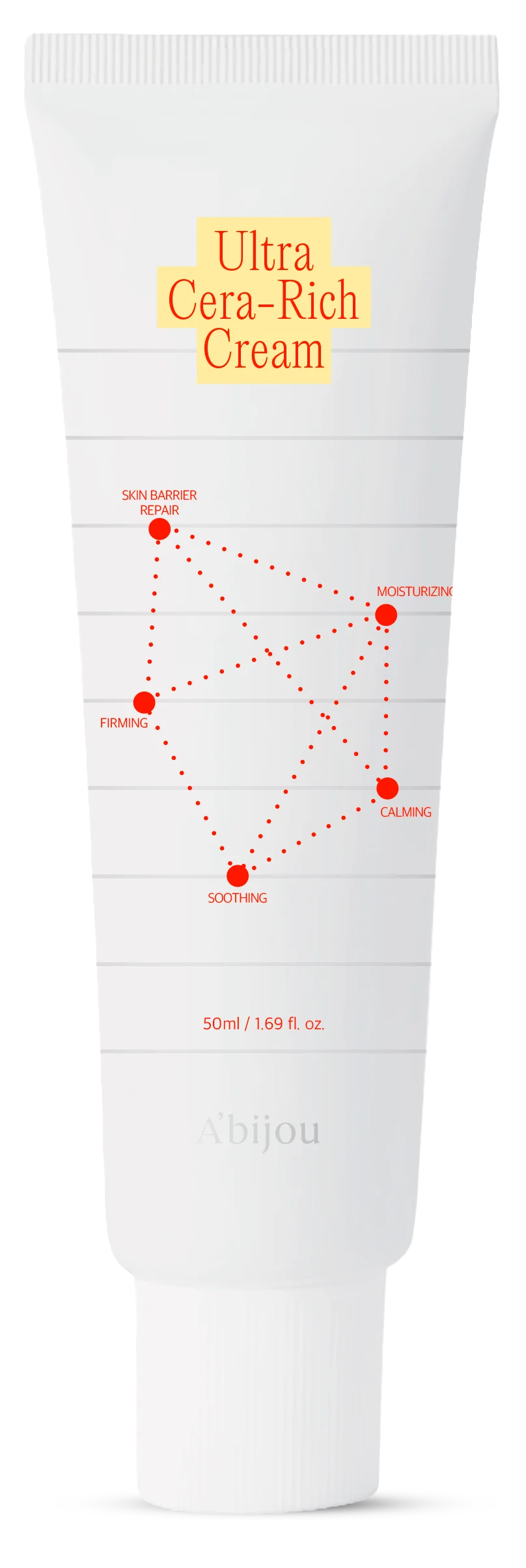 울트라 세라-리치 크림Buy
STEP 1 · 시술 직후 진정·장벽 케어