
Criteria for Choosing Purslane Extract: What to Check on the Ingredient List
Purslane extract should be chosen not based on its standalone content but on the balance of formulation with other soothing and moisturizing ingredients, and whether it has clinical and safety evidence. On the ingredient list, checking for terms like 'Portulaca Oleracea Extract' along with the presence of ceramides, panthenol, and allantoin serves as a practical selection standard.
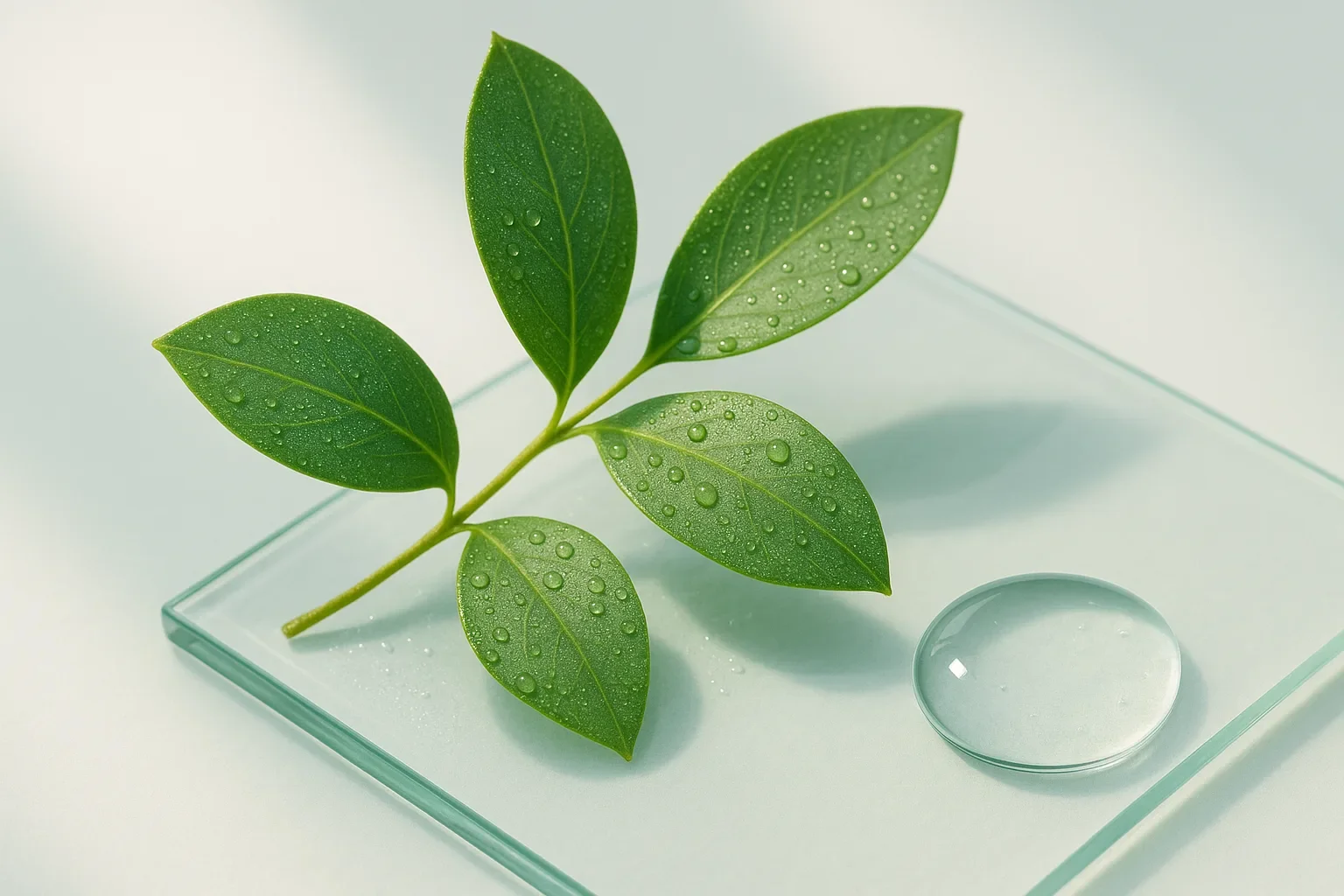
To state the conclusion first, purslane extract should be chosen based on 'what ingredients it is combined with and for what purpose within the entire formulation,' rather than its standalone content or name recognition. Purslane extract is commonly labeled on cosmetic ingredient lists as 'Portulaca Oleracea Extract' and is used as one of the supporting ingredients that helps with soothing care.
This article organizes, in order, the principle by which purslane extract is used for soothing care, what to check on the ingredient list, ingredients that pair well with it, and a home care routine.
- 1Check the Ingredient NameCheck the official name and labeling location, such as Portulaca Oleracea Extract
- 2Check the Formulation PurposeDetermine whether it is a soothing/moisturizing supporting ingredient or a singularly emphasized ingredient
- 3Check Co-formulated IngredientsWhether it is balanced with ceramides, panthenol, allantoin, and other ingredients
- 4Check Clinical and Safety DataCheck for evidence such as irritation tests and human application tests
Why Is Purslane Extract Used as a Soothing Ingredient?
Purslane has long been used as a material in various cosmetic and health products, and it is formulated into cosmetics in extract form. On domestic cosmetic full ingredient lists, it may be labeled with a scientific name-based term such as 'Portulaca Oleracea Extract,' so it is important to develop the habit of checking the actual full ingredient list rather than judging based on promotional phrases alone.
However, no plant extract works alone—it is more likely to lead to balanced skin condition care when combined with other soothing, moisturizing, and barrier care ingredients like panthenol, allantoin, and ceramides within the overall formulation. So the practical criterion for selection isn't 'whether this ingredient is included,' but rather 'what combination it's blended with, and how well-substantiated that formulation is.'
4 Points to Check on the Ingredient List
First, check the exact ingredient name. Even if marketing copy says 'purslane,' the full ingredient list may show it under a scientific name-based designation.
Second, check the purpose of formulation. The expected role differs depending on whether it's included as a minor soothing auxiliary ingredient or whether the product emphasizes a specific concentration.
Third, look at the ingredients it's combined with. If soothing, moisturizing, and barrier care ingredients such as ceramides, panthenol, allantoin, beta-glucan, and scutellaria root extract are included together, complementary care can be expected.
Fourth, check clinical and safety data. Whether it received a non-irritating result in a primary irritation test, and whether conditions and sources are clearly disclosed through human application testing, serve as criteria for gauging reliability.
What Care Is Needed at Each Stage for Post-Procedure or Irritated Skin
The first 1–3 days right after laser or lifting procedures are a period marked by redness and heat, so it's best to focus on soothing and barrier care. During this time, redness caused by physical friction or heat stimulation may also appear, so a low-irritation formulation that minimizes stimulation can help.
In the recovery period from day 4 onward, as redness subsides, inner tightness and dryness often become more noticeable. During this stage, it's natural to shift the focus from soothing toward deep hydration and skin texture care. If a product contains a soothing auxiliary ingredient like purslane extract, it's recommended to also check whether it's balanced with other ingredients suited to this stage-specific care purpose.
Step-by-Step Home Care Routine
After cleansing, the basic routine is to lightly hydrate with a toner, then apply a thin layer of cream centered on areas with irritation or redness. During this period, gently patting the product in with fingertips rather than rubbing helps reduce irritation.
Once you move into the recovery phase, it's good to layer products more densely over areas where flaking or inner tightness is felt. At this stage, it's recommended to choose products by checking for ingredient combinations that can help with lasting hydration and skin texture care.
Post-Procedure Recovery Depends on Home Care
Soothing auxiliary ingredients like purslane extract are unlikely to work alone, and may be more helpful for skin condition care when balanced together with ceramides, panthenol, allantoin, and others. ABJU Cream's Ultra Cera-Rich Cream and Hydro Re-Boosting Cream combine soothing auxiliary ingredients such as purslane extract, scutellaria root extract, and beta-glucan together with 5 types of ceramides, panthenol, and allantoin, formulated respectively for initial soothing right after a procedure and for deep hydration care during the later recovery phase. Both products received a non-irritating result in a primary irritation test as part of human application testing.
화학적 자극으로 붉어진 피부가 손상 전 수준으로 회복되는 데 도움. 개인차가 있을 수 있습니다.
출처 P&K 피부임상연구센타 시험성적서 (PNK-26223-RI1R)
손상된 장벽이 손상 전 수준으로 회복되는 데 도움. 개인차가 있을 수 있습니다.
출처 P&K 피부임상연구센타 시험성적서 (PNK-26223-RI1R)
물리적 자극으로 붉어진 피부 진정에 도움. 개인차가 있을 수 있습니다.
출처 P&K 피부임상연구센타 시험성적서 (PNK-26224-RI2R)
손상된 장벽이 손상 전 수준으로 회복되는 데 도움. 개인차가 있을 수 있습니다.
출처 P&K 피부임상연구센타 시험성적서 (PNK-26224-RI2R)
FAQ
- Does having purslane extract always mean good soothing effects?
- The formulation ratio of the entire product and its combination with other soothing and moisturizing ingredients matter more than the presence of a single ingredient alone. It is more accurate to understand purslane extract (labeled as Portulaca Oleracea Extract, etc.) as one of the supporting ingredients that helps with soothing care.
- Is it okay to use purslane extract together with panthenol and allantoin?
- Yes, products formulated with multiple soothing supporting ingredients together may actually help provide more balanced care than products that emphasize only a single ingredient. However, rather than judging effects based solely on the content of a specific ingredient, it is recommended to refer to the overall human application test results of the product.
- How do I find purslane extract on the ingredient list?
- On domestic cosmetic ingredient lists, it may be labeled with a scientific name-based term such as 'Portulaca Oleracea Extract,' so it is more accurate to check the full ingredient list directly rather than relying on the product name or marketing phrases.
- I have sensitive skin—can I use a cream containing purslane extract?
- Whether the entire product has undergone irritation testing is a more important criterion than the ingredient itself. It is recommended to check whether the product was determined to be non-irritating in a primary irritation test, and whether its intended purpose (soothing, moisturizing, etc.) matches your skin condition.
Related products
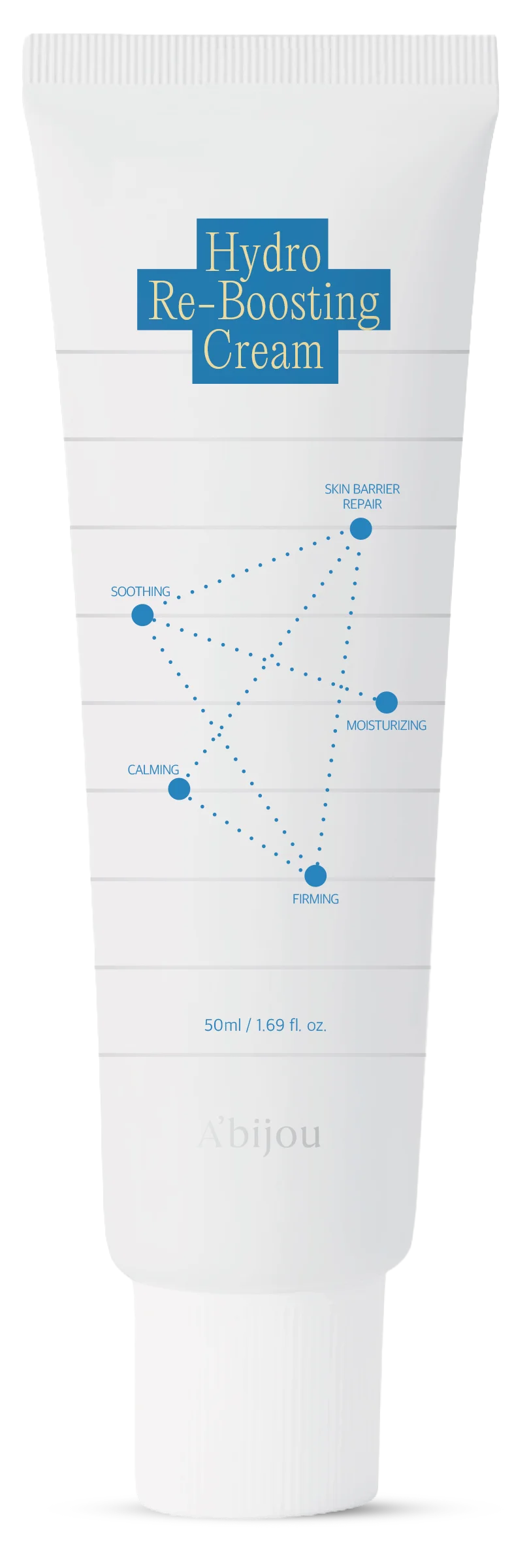 하이드로 리-부스팅 크림Buy
STEP 2 · 회복기 속보습
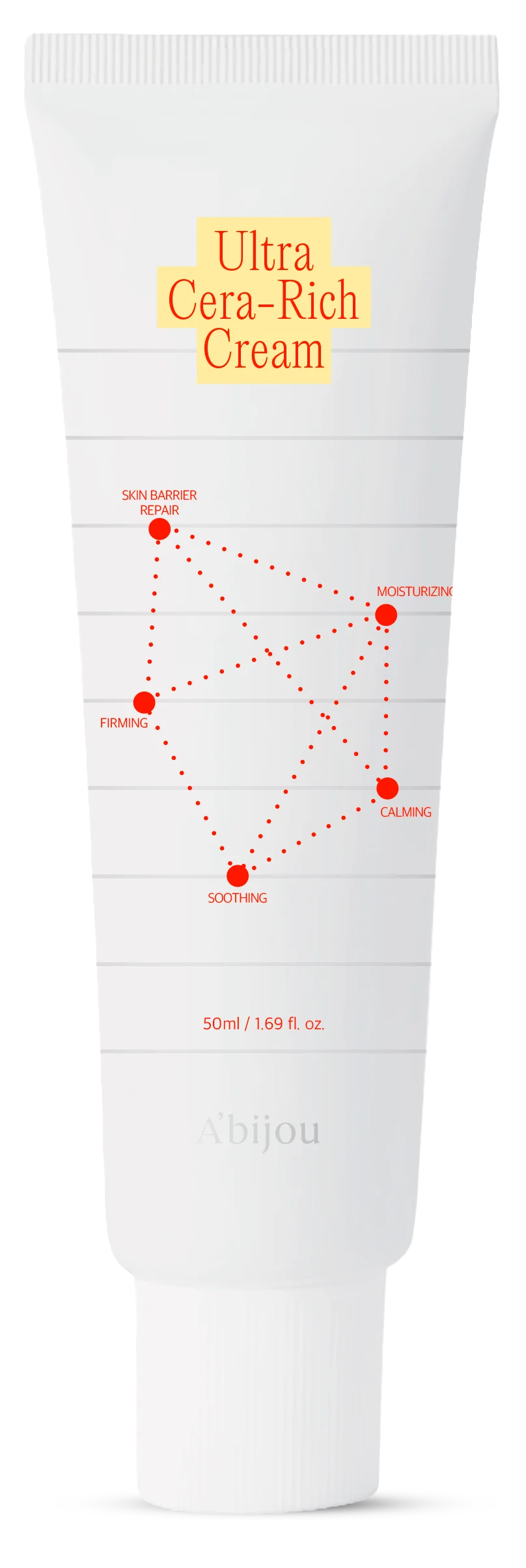 울트라 세라-리치 크림Buy
STEP 1 · 시술 직후 진정·장벽 케어