
Comparing Redness Treatment Options: Why Post-Procedure Redness Care Matters More
Treatments for improving facial redness differ in principle and approach depending on whether they involve lasers, radiofrequency, or dermatological procedures, but regardless of which treatment you choose, how you manage redness and heat sensation during the first few days after the procedure greatly affects overall recovery speed and skin condition. Before comparing treatment types, let's first look at how skin changes over time after a procedure and what home care methods work for each stage.
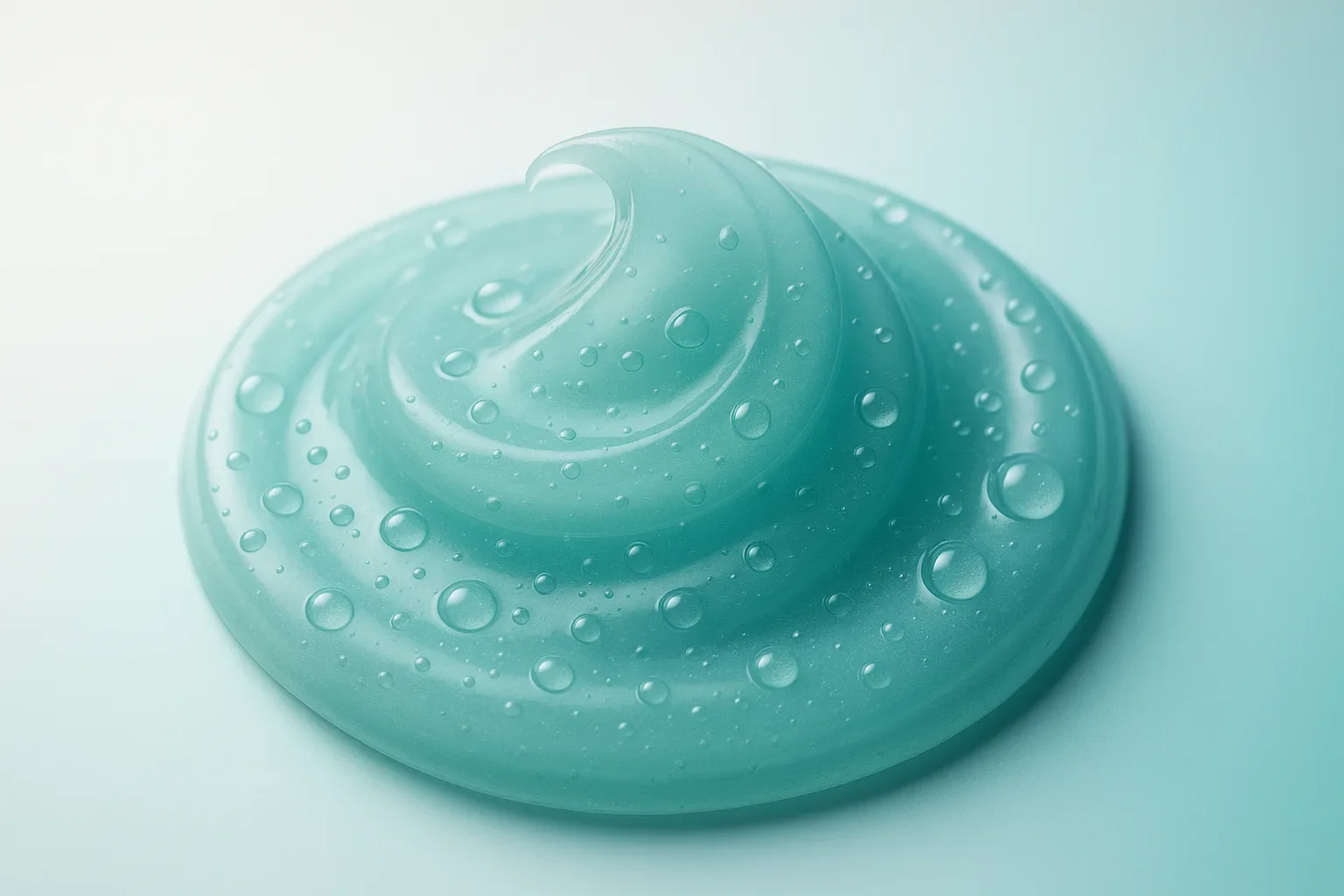
If you're concerned about redness, you're probably just as worried about 'what will happen to my skin after the procedure' as you are about which treatment to choose. In fact, redness-related treatments are divided into those that work directly on blood vessels and those that support skin barrier and soothing functions, but in both cases, temporary redness and heat sensation can occur right after the procedure.
In this article, we'll briefly touch on the differences between treatment methods, and focus more on what many people are curious about: 'how many days after the procedure does the redness calm down' and 'what home care should be done in the meantime.'
- 1Days 1-3 right after the procedureRedness and heat sensation concentrated, prioritize soothing and barrier care
- 2Days 4-7Redness subsides, tightness and dryness begin
- 3After day 7Skin texture and tone gradually stabilize, maintain consistent hydration habits
Redness Treatments: Skin Reacts Differently Depending on the Approach
Treatments aimed at improving redness can be broadly divided into laser-type procedures that target the blood vessels themselves, and low-irritation care methods that focus on calming surface heat and irritation. Regardless of the method, the skin surface temperature often rises temporarily right after the procedure, and the capillaries dilate, making the skin appear redder than usual for a while.
What matters more than the difference in treatment methods is how well you help the skin recover from irritation afterward. Since the skin barrier is temporarily sensitized, even small friction or temperature changes can easily cause stinging or tightness, and how you manage this period determines the overall pace of skin recovery.
How the Skin Changes Over Time After the Procedure
The first 1 to 3 days after the procedure are when heat and redness are most pronounced. Since the skin surface becomes sensitive to external stimuli, even ordinary actions like washing your face or mask friction can trigger a reaction. During this period, it's best to focus on soothing and protecting the skin barrier.
By days 4 to 7, the redness and irritation subside to some extent, but a feeling of tightness and dryness deep in the skin often emerges instead. Even if the skin looks fine on the surface, this is a period when internal dryness may still remain. From this point on, gradually shifting the focus from soothing to deep hydration helps smooth out the skin texture.
After about a week, although individual differences exist, skin texture and tone generally tend to stabilize gradually. However, for this process to flow smoothly, it's essential that the soothing care of the early days connects seamlessly with the hydrating care that follows.
Step-by-Step Home Care to Follow
① Days 1–3 right after the procedure: Soothing is the top priority during this period. Apply product generously over areas with heat using a gentle patting motion instead of rubbing, to help it absorb. Also switch to washing with lukewarm water gently, minimizing friction as much as possible.
② Days 4–7: This is when redness subsides and a feeling of internal tightness begins. At this stage, gradually switching from soothing-focused products to deep-hydration-focused products helps refine the skin texture. For areas where slight flaking appears, avoid forcefully removing it and instead calm it down with ample moisture.
③ After one week: Even if the skin has stabilized to some extent, it may still be somewhat more sensitive to external stimuli such as UV exposure and temperature changes, so it's good to continue consistent moisturizing habits.
How to Match Products to Each Stage of Care
Designed to be used in two steps according to this stage-by-stage skin change flow is the 2-STEP recovery solution from ABJU Cream. For days 1–3 right after the procedure, when heat and redness rise, the 'Ultra Cera-Rich Cream' containing a complex of 5 types of ceramides and panthenol is used, and from day 4 onward, when redness subsides and internal tightness begins, the 'Hydro Re-Boosting Cream,' focused on deep hydration, follows.
Both products are based on low-irritation formulations that were confirmed to be non-irritating in human skin primary irritation tests, designed to be applied comfortably even when the skin is sensitized. Regardless of the type of procedure, it can be understood as a concept of using products in stages aligned with the 'flow of skin recovery after irritation.'
Recovery after procedures is determined by home care
Although procedure methods vary, the flow of soothing → moisturizing that skin goes through after a procedure is similar. The Abzu Cream's Ultra Cera-Rich Cream (STEP1) and Hydro Re-Boosting Cream (STEP2) form a 2-STEP solution designed to match this flow, used separately for days 1–3 and from day 4 onward.
물리적 자극으로 붉어진 피부가 손상 전 수준으로 회복되는 데 도움. 개인차가 있을 수 있습니다.
출처 P&K 피부임상연구센타 시험성적서 (PNK-26224-RI2R)
손상된 장벽이 손상 전 수준으로 회복되는 데 도움. 개인차가 있을 수 있습니다.
출처 P&K 피부임상연구센타 시험성적서 (PNK-26224-RI2R)
열 자극으로 올라간 붉은기가 손상 전 수준으로 회복되는 데 도움. 개인차가 있을 수 있습니다.
출처 P&K 피부임상연구센타 시험성적서 (PNK-26224-RI2R)
자극 후 건조함이 손상 전 수준으로 회복되는 데 도움. 개인차가 있을 수 있습니다.
출처 P&K 피부임상연구센타 시험성적서 (PNK-26223-RI1R)
거칠어진 피부결이 손상 전 수준으로 회복되는 데 도움. 개인차가 있을 수 있습니다.
출처 P&K 피부임상연구센타 시험성적서 (PNK-26223-RI1R)
FAQ
- How many days does redness typically last after a redness treatment?
- Individual differences can be significant, but generally redness and heat sensation are most pronounced within 1-3 days right after the procedure, then gradually subside. However, this can vary depending on the type of treatment and skin condition, so please follow the guidance of the clinic where you received the treatment first and foremost.
- Until when should I focus only on soothing care, and when should I switch to hydration care?
- Generally, redness and heat sensation are most concentrated during days 1-3, and from day 4 onward, tightness or dryness tends to become more noticeable. Based on this timing, we recommend gradually shifting from soothing-focused products to deep hydration-focused products.
- Is it okay to apply any product right after the procedure?
- During this period, the skin is particularly sensitive to external stimuli, so it's best to choose low-irritation formulas that absorb well without rubbing. Please avoid products with strong fragrances or exfoliating ingredients during this time.
- Does home care differ depending on the type of redness treatment?
- While specific precautions may vary by treatment method, the general flow of soothing care first and hydration care later tends to be similar across treatments. Please follow the guidance from the clinic where you received treatment for precise care instructions, and consider this article as general reference information.
- My redness has subsided but I still feel tight and dry—is this normal?
- It's not uncommon for redness to subside first while dryness is felt later. During this period, switching to hydration-focused care can help restore smoother skin texture. If the tightness is severe or persists for a long time, please consult the clinic where you received treatment.
Related products
 하이드로 리-부스팅 크림Buy
STEP 2 · 회복기 속보습
 울트라 세라-리치 크림Buy
STEP 1 · 시술 직후 진정·장벽 케어