
Retinol After Procedures: When Can You Start Using It Again? A Timing Compatibility Guide
Right after lifting or laser procedures, or skin booster treatments, it's best to pause irritant ingredients like retinol as a rule. It's safer to gradually resume with low-irritation, low-frequency use once the skin has calmed down and the barrier has somewhat settled. Resuming too hastily without regard to timing can prolong irritation reactions such as redness and stinging.
Retinol is well known as an ingredient that can promote surface skin turnover and help with texture and tone care. However, this action itself can act as a form of irritation to the skin, making it a poor match for periods like right after a procedure when the barrier is weakened.
In particular, after thermal energy lifting procedures like Ultherapy, Thermage, Shurink, or InMode, or skin booster procedures like Rejuran or Juvelook, the stratum corneum is temporarily thinned and moisture loss increases. Using retinol as usual during this period can cause stinging, burning, and redness to linger longer than expected.
Why Retinol Can Be a Burden After a Procedure
Right after a procedure, the skin's barrier function is temporarily reduced due to thermal energy or micro-irritation. During this period, the stratum corneum's defense capacity is lowered, so even ingredients that are normally fine can cause sensitive reactions.
Retinol tends to thin the stratum corneum due to its property of promoting cell turnover, and when this action is added on top of an already thinned barrier, irritation reactions can overlap, worsening redness, dryness, and tightness. This is why many dermatologists and experts advise pausing ingredients with potential for irritation, such as retinol, AHA/BHA, and high-concentration vitamin C, for a certain period after a procedure.
Timeline and Retinol Resumption Timing
The first 1 to 3 days right after a procedure are when redness and heat are most pronounced. During this period, it's best to pause not only retinol but also acidic exfoliating products, and focus instead on soothing and protective care.
From around day 4 to about a week later, redness tends to subside, but tightness and slight flaking often appear instead. Since the skin barrier hasn't fully recovered at this stage either, it's safer to focus on deep hydration care rather than resuming retinol.
While it varies by individual, after about 1 to 2 weeks, once irritation signs like redness and tightness have sufficiently settled and the skin feels closer to its normal condition, you can consider cautiously restarting retinol at a low concentration and low frequency (1-2 times a week). The exact timing for resuming use can vary depending on the type and intensity of the procedure and individual skin condition, so it's best to consult with the clinic where you had the procedure for the most accurate guidance.
Step-by-Step Home Care — What to Apply and What to Skip
In Stage 1 (right after the procedure to day 3), all irritating ingredients should be excluded, with a focus on soothing and protection. It helps to cleanse briefly with lukewarm water without friction, and apply cream in thin, repeated layers.
In Stage 2 (day 4 to 1 week), as redness subsides and tightness begins, it's best to switch to ingredients focused on deep hydration and barrier care instead of retinol. Resuming exfoliation too aggressively during this time can slow down recovery.
From Stage 3 (after 1-2 weeks) onward, while monitoring your skin condition, it's recommended to resume low-concentration retinol as a test, using a small amount 1-2 times a week, checking for redness or stinging after use, and gradually increasing frequency.
Home Care Determines Recovery After a Procedure
While the timing of resuming retinol matters, what you feed your skin during the recovery stage beforehand is the real starting point for the care that follows. Right after a procedure, get through the soothing stage with ZXQMAGAZINETERMUltra Cera-Rich CreamZXQ, which focuses on redness and barrier care, and during the period after redness fades but tightness remains, use ZXQMAGAZINETERMHydro Re-Boosting CreamZXQ to restore deep hydration and smooth texture — this way, your skin can respond much more comfortably when you resume retinol later.
물리적 자극으로 붉어진 피부의 붉은기 진정에 도움. 개인차가 있을 수 있습니다.
출처 P&K 피부임상연구센타 시험성적서 (PNK-26224-RI2R)
물리적 자극으로 손상된 장벽이 손상 전 수준으로 회복되는 데 도움. 개인차가 있을 수 있습니다.
출처 P&K 피부임상연구센타 시험성적서 (PNK-26224-RI2R)
피부결 정돈에 도움. 개인차가 있을 수 있습니다.
출처 P&K 피부임상연구센타 시험성적서 (PNK-26223-RI1R)
자극 후 건조함 케어에 도움. 개인차가 있을 수 있습니다.
출처 P&K 피부임상연구센타 시험성적서 (PNK-26223-RI1R)
FAQ
- How many days should I wait before using retinol after a procedure?
- This varies depending on the type and intensity of the procedure and individual skin condition, but generally it's safer to wait about 1-2 weeks until redness and irritation reactions have sufficiently subsided. It's recommended to consult with the clinic where you had the procedure for the exact duration.
- What should I apply instead of retinol right after a procedure?
- It's best to exclude all irritant ingredients and use a low-irritation cream focused on soothing and barrier care. Products centered on ingredients that help relieve irritation and provide moisture, such as panthenol, ceramides, and allantoin, are suitable.
- What should I do if my skin turns red again after resuming retinol?
- If redness or stinging appears right after resuming, it's best to stop use immediately and return to soothing care. Rather than forcibly increasing frequency, it's important to observe your skin condition and let it adjust slowly.
- Is the retinol resumption timing the same after skin booster procedures?
- Skin booster procedures can also cause subtle changes in the stratum corneum at the treatment site, so it's advisable to pause irritant ingredients for a certain period, similar to thermal energy lifting procedures. However, recovery speed can vary depending on the procedure method, so it's most accurate to follow the guidance of the clinic where you had the procedure.
Related products
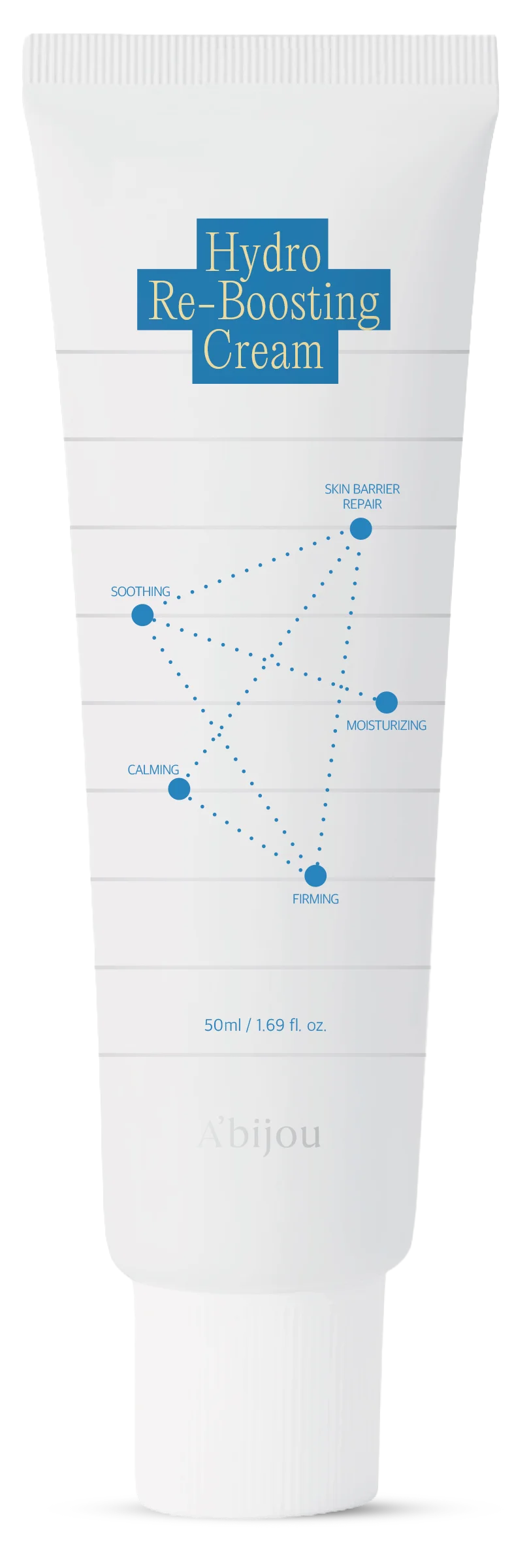 하이드로 리-부스팅 크림Buy
STEP 2 · 회복기 속보습
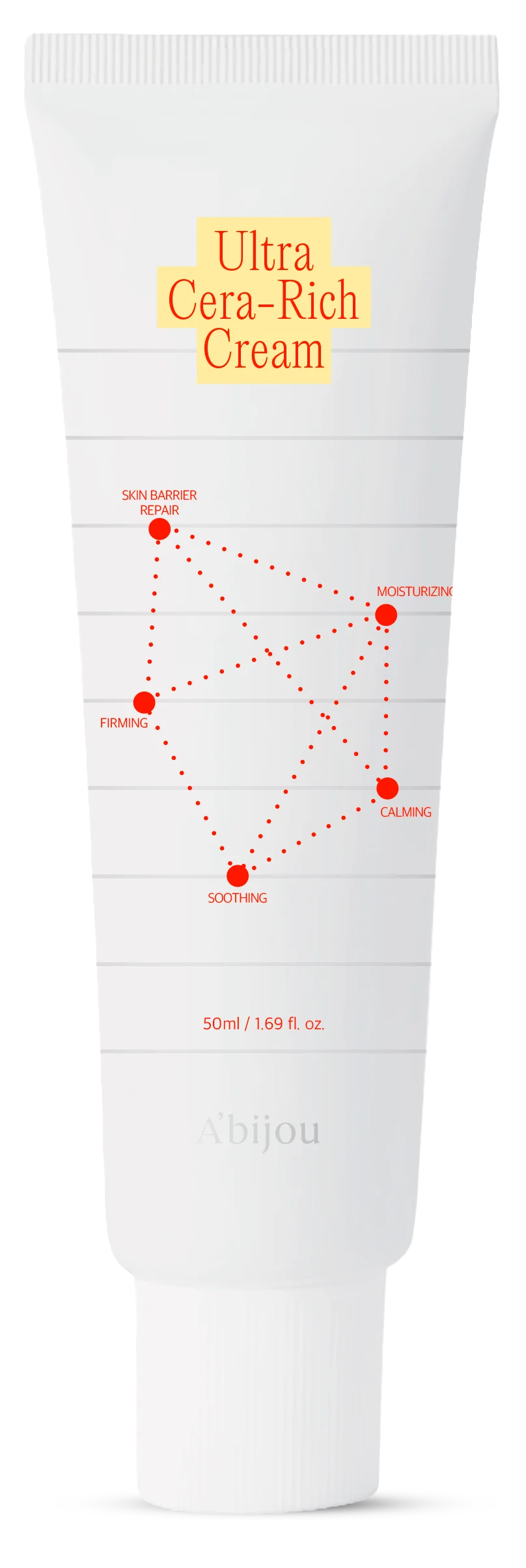 울트라 세라-리치 크림Buy
STEP 1 · 시술 직후 진정·장벽 케어