
Retinol Percentage vs Formulation: Which Matters More? How to Choose High-Percentage Retinol Properly
Retinol isn't better just because the percentage number is higher — the stabilization technology and the formulation (ingredients combined with it) greatly affect how much actually reaches the skin and how much irritation occurs. In conclusion, when choosing a product, you should look at whether your skin can handle the formulation rather than just the percentage label, and if you're in a sensitive period after a procedure, barrier and moisture care should come before retinol itself.
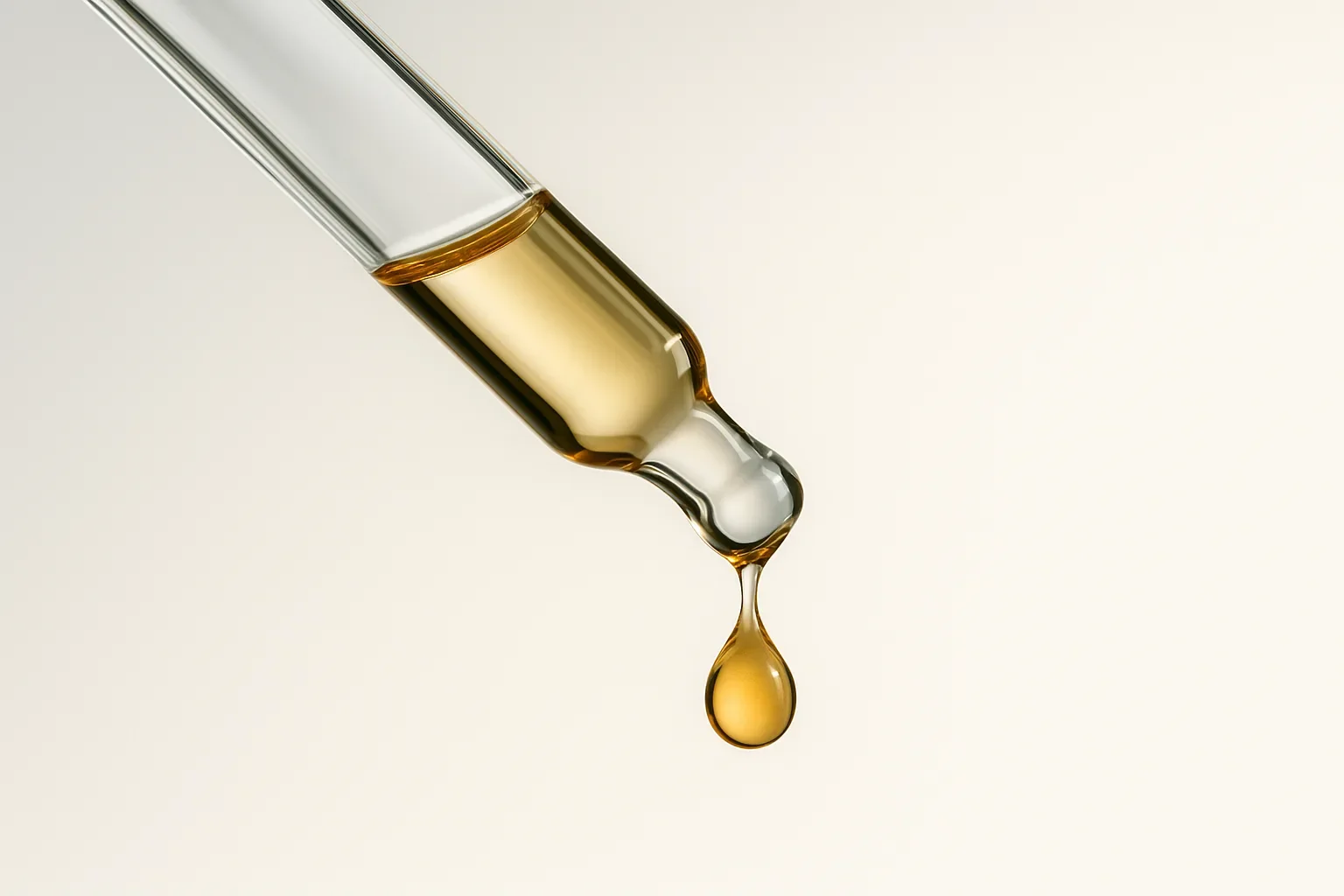
When choosing a retinol product, the first piece of information that catches the eye is the percentage number, such as 'how many percent.' However, even at the same percentage, the actual amount of active retinol that reaches the skin and the degree of irritation felt can differ between products. This is because retinol itself is highly sensitive to light, air, and heat, so a significant portion can become unstable before it even reaches the skin in its raw state.
Why Retinol Percentage Isn't Everything — The Role of Stabilization and Formulation
Retinol is incorporated into products in a 'stabilized' state through various methods such as encapsulation, derivatization, and nanoemulsion. The better the stabilization of the formulation, the higher the proportion of actually delivered active ingredient relative to the labeled percentage. Conversely, if the stabilization technology is lacking, even a high percentage can oxidize, reducing effectiveness or leaving only irritation behind.
Also, because retinol alone can be quite irritating, the type and ratio of moisturizing and soothing ingredients combined with it determine the sensation of use and how well users can tolerate it. A formulation designed with ingredients similar to skin lipids or that help with moisturizing and soothing, such as ceramides or panthenol, can feel differently irritating even at the same retinol concentration.
Therefore, rather than simply comparing the numbers on the ingredient list, it becomes practically more important to consider whether the overall formulation suits your skin condition (whether your barrier is weak or your skin is sensitive).
How Does Skin React in the Early Stages of Retinol Use — Timeline of Progress
When you first start using retinol, reactions known as the 'retinol purge' or adjustment period—such as redness, flaking, and tightness—can appear within a few days of use. This is a commonly observed response as the skin adapts to a new stimulus, and the severity and duration can vary depending on frequency of use, formulation, and individual skin condition.
It's generally recommended to start with a small amount applied every other day for about the first week while observing the skin's response. If the skin is dry or sensitive during this period, the reaction may be more pronounced. Gradually increasing the frequency of use over the following 2 to 4 weeks is the common approach.
In particular, if you've recently had a lifting procedure or skin booster treatment, it may help your skin condition to prioritize barrier repair and moisturizing care rather than forcing the use of irritating ingredients like retinol alongside it during this period.
Step-by-step home care — 'order' matters more than concentration
Before introducing retinol, the first step is to check the condition of your skin barrier. If you've recently had a procedure or are experiencing flaking or dryness, your barrier is likely weakened, and using a high-concentration retinol right away in this state can cause greater irritation.
Step 1 is soothing and barrier care. During periods when redness, heat, or stinging remain, it's best to prioritize stabilizing the skin with moisturizing and soothing ingredients like ceramides and panthenol rather than irritating ingredients.
Step 2 is replenishing deep hydration. Once redness subsides, the skin may still feel dry and tight on the inside. Thoroughly replenishing moisture during this period better prepares the skin to receive active ingredients like retinol afterward.
Once the barrier and hydration are stabilized in this way, gradually introducing retinol at a low concentration and low frequency places less burden on the skin than jumping straight to a high-concentration product based on the number alone.
Home care determines post-procedure recovery
During sensitive periods like right after a procedure, when the skin barrier is delicate, it's best to address redness and barrier care first before worrying about retinol formulation. The ABeauJu cream is designed with a 2-STEP routine suited to this recovery order: right after a procedure, the Ultra Cera-Rich Cream focuses on redness and barrier care, and during the following recovery period, the Hydro Re-Boosting Cream replenishes deep hydration, helping create skin conditions ready to receive active ingredients again.
FAQ
- Does a higher retinol percentage always mean better results?
- Not necessarily. Because the amount actually delivered to the skin and the degree of irritation vary depending on the stabilization technology and the accompanying formulation, effectiveness cannot be judged by the percentage number alone.
- Is it okay to use retinol right after a procedure?
- Right after a procedure, the skin barrier is in a sensitive state, so it may be less burdensome to prioritize soothing and barrier care over retinol during this period, and gradually introduce retinol once the skin condition has stabilized.
- How long do flaking or tightness last in the early stages of retinol use?
- This varies depending on individual skin condition and the formulation used, but there is usually an adaptation period during which frequency of use is gradually increased. If the reaction persists or is severe, it is better to reduce use and monitor the skin's condition.
- In what order should retinol and moisturizing cream be applied?
- Generally, applying the retinol product first and finishing with a moisturizing cream is common, but if the barrier is weakened, it may be more stable to do sufficient moisturizing and soothing care first before introducing retinol.
Related products
 하이드로 리-부스팅 크림Buy
STEP 2 · 회복기 속보습
 울트라 세라-리치 크림Buy
STEP 1 · 시술 직후 진정·장벽 케어