
Retinol Precautions: Essential Information Before You Start
Retinol is an ingredient that can help with skin texture and tone care, but flaking, dryness, and irritation are common in early use. The key is to start with low concentration and low frequency, combined with sunscreen and moisturizing. For pregnant, nursing, or sensitive skin individuals, consulting a professional before use is safer. If peeling or tightness occurs, pause use temporarily and prioritize soothing and hydration.
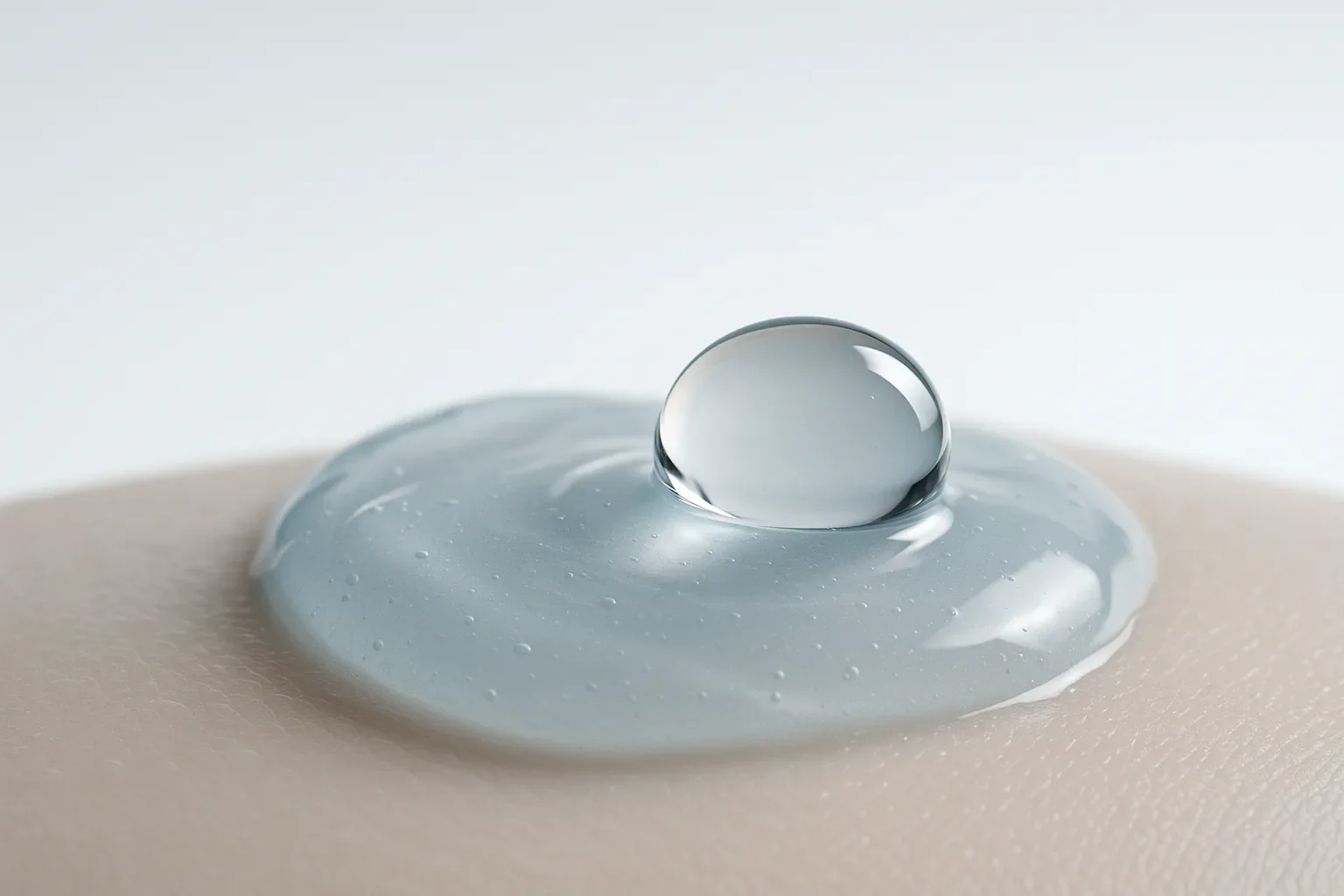
Retinol is a vitamin A derivative that can help refine skin texture and brighten tone, making it a popular ingredient in home care routines.
However, because of its tendency to accelerate cell turnover, reactions such as flaking, dryness, and redness often appear in early use. Understanding 'retinol precautions' in advance is important.
Changes that occur in skin when using retinol
Retinol is known to work by accelerating the skin's cell turnover cycle. During this process, old dead skin cells are pushed to the surface more quickly, which can temporarily create fine flaking or a bumpy texture.
At the same time, the skin barrier's moisture retention can temporarily decrease, leading to reactions such as tightness, dryness, and stinging. This is commonly called the 'retinol adjustment period,' a natural process, but improper use can prolong irritation, so caution is needed.
Retinol is unstable under UV light, so it must be used in the evening, and applying sunscreen thoroughly the next morning is a basic principle.
Timeline: Looking at changes day by day
On days 1–3 of use, mild stinging or redness may appear. This is an early stage when skin is not yet accustomed to the ingredient. At this time, it is best to start with low concentration and alternate-day use.
From days 4 to 7, you may experience increased flaking or dryness in specific areas. Rather than forcefully removing dead skin, it is safer to manage with hydration and allow it to shed naturally.
After two weeks, most skin gradually adapts and initial reactions tend to diminish. However, if irritation persists during this period, it is advisable to reduce usage frequency or pause temporarily and monitor your skin condition.
Step-by-step home care: How to start without irritation
① Start with low concentration and low frequency — It is safe to begin with a low-concentration product 2–3 times per week and gradually increase frequency while monitoring skin response.
② Hydrate first, retinol second — The 'buffering' method of fully hydrating after cleansing and then applying retinol in small amounts can help reduce irritation.
③ Sunscreen is essential — During retinol use, apply sunscreen consistently throughout the day, and avoid excessive friction or scrubbing on areas where skin has become more sensitive.
④ Pause if flaking or tightness is severe — If you notice redness or tightness, it is better to take a break from use for a few days rather than push through, and prioritize calming and hydrating care to stabilize your skin.
⑤ Avoid concurrent use with other exfoliating ingredients — Using multiple exfoliating components simultaneously can compound irritation, so space out their use.
When irritation remains, calming and hydrating care is key
Redness and tightness during the retinol adaptation period resemble post-procedure skin responses, making targeted calming and hydrating care essential for recovery during this phase.
In the early stage when redness and heat sensation are pronounced, apply a lightweight, calming-focused cream to soothe the skin. When flaking and tightness persist, a two-step approach using a hydration-focused cream to refine skin texture can be helpful.
Post-procedure recovery depends on home care
Abuja cream is designed as a 2-STEP solution for post-procedure recovery, but can also serve as a reference for home care during periods of retinol sensitivity. When redness and irritation are pronounced, consider using Ultra Sera-Rich Cream to calm the skin, and during phases with flaking and tightness, consider the Hydro Re-Boosting Cream for deep hydration and texture care.
FAQ
- Can I use retinol every day?
- Daily use from the start can cause strong irritation. It is safer to begin with 2–3 times per week at low frequency and gradually increase as your skin adapts.
- Can I continue using retinol if flaking occurs after application?
- Light flaking can be a normal part of the adaptation process, but if tightness or stinging is severe, avoid forcing continued use. Instead, take a few days off and focus on moisturizing and soothing to stabilize your skin.
- Can I apply retinol in the morning?
- Retinol is unstable under light, so evening application is recommended. The morning after use, apply sunscreen thoroughly.
- Can I use retinol during pregnancy?
- During pregnancy and nursing, it is safer to consult a professional before deciding whether to use retinol due to the nature of the ingredient.
- Can I use retinol together with other exfoliating ingredients?
- Using multiple exfoliating ingredients simultaneously can increase irritation. It is recommended to alternate them on different days or space out usage rather than combining them.
Related products
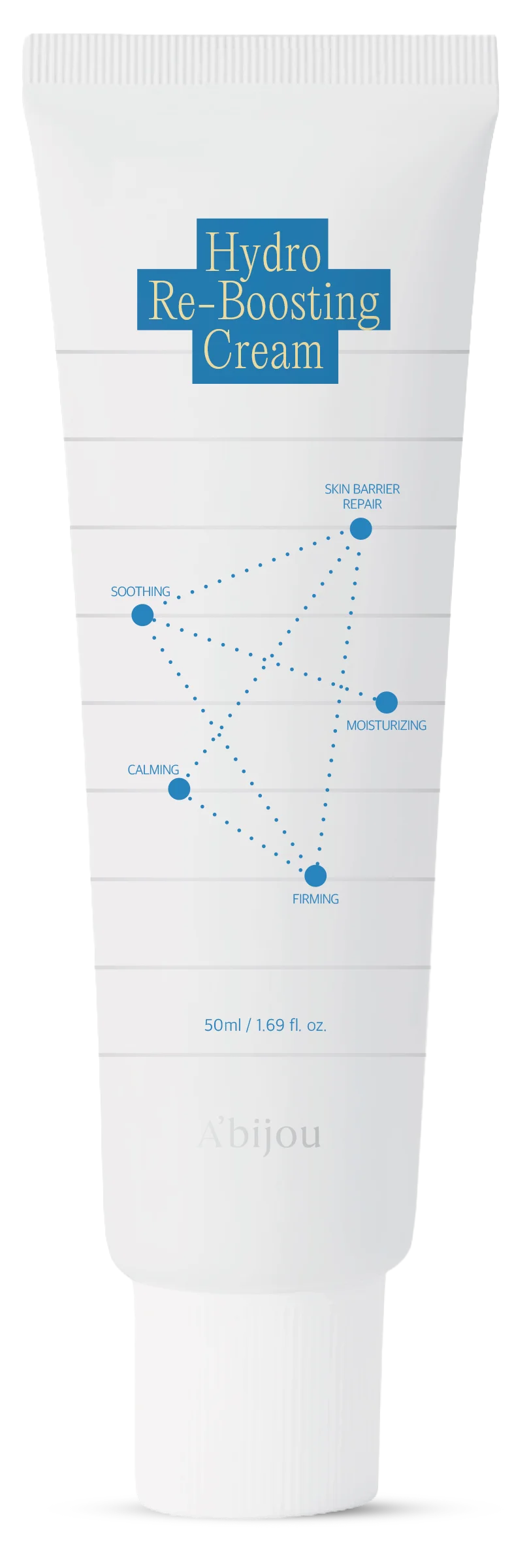 하이드로 리-부스팅 크림Buy
STEP 2 · 회복기 속보습
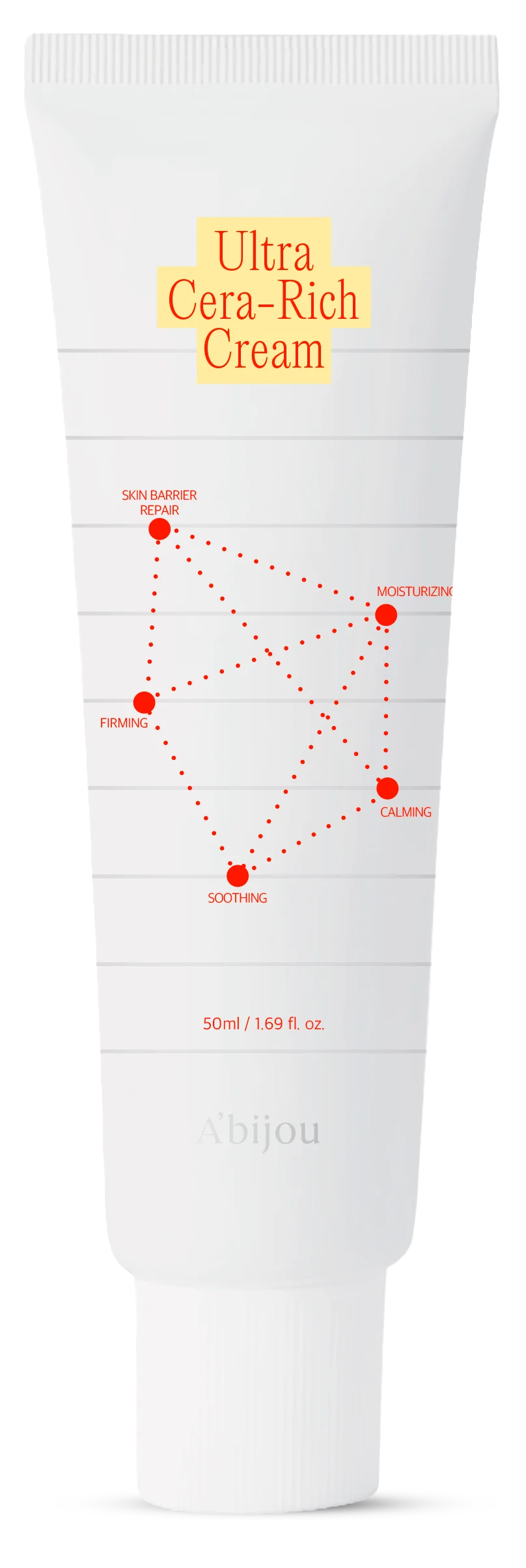 울트라 세라-리치 크림Buy
STEP 1 · 시술 직후 진정·장벽 케어