
Retinol Principle and Effects: Understanding and Using It Correctly
Retinol is a vitamin A derivative known to normalize skin cell turnover cycles and support a collagen-producing environment. However, due to its mechanism of action, initial reactions such as flaking, dryness, and irritation may occur. It is important to introduce it gradually from low concentrations and combine it with hydration and barrier care. This article covers retinol's mechanism of action, adaptation period progression, and step-by-step home care.
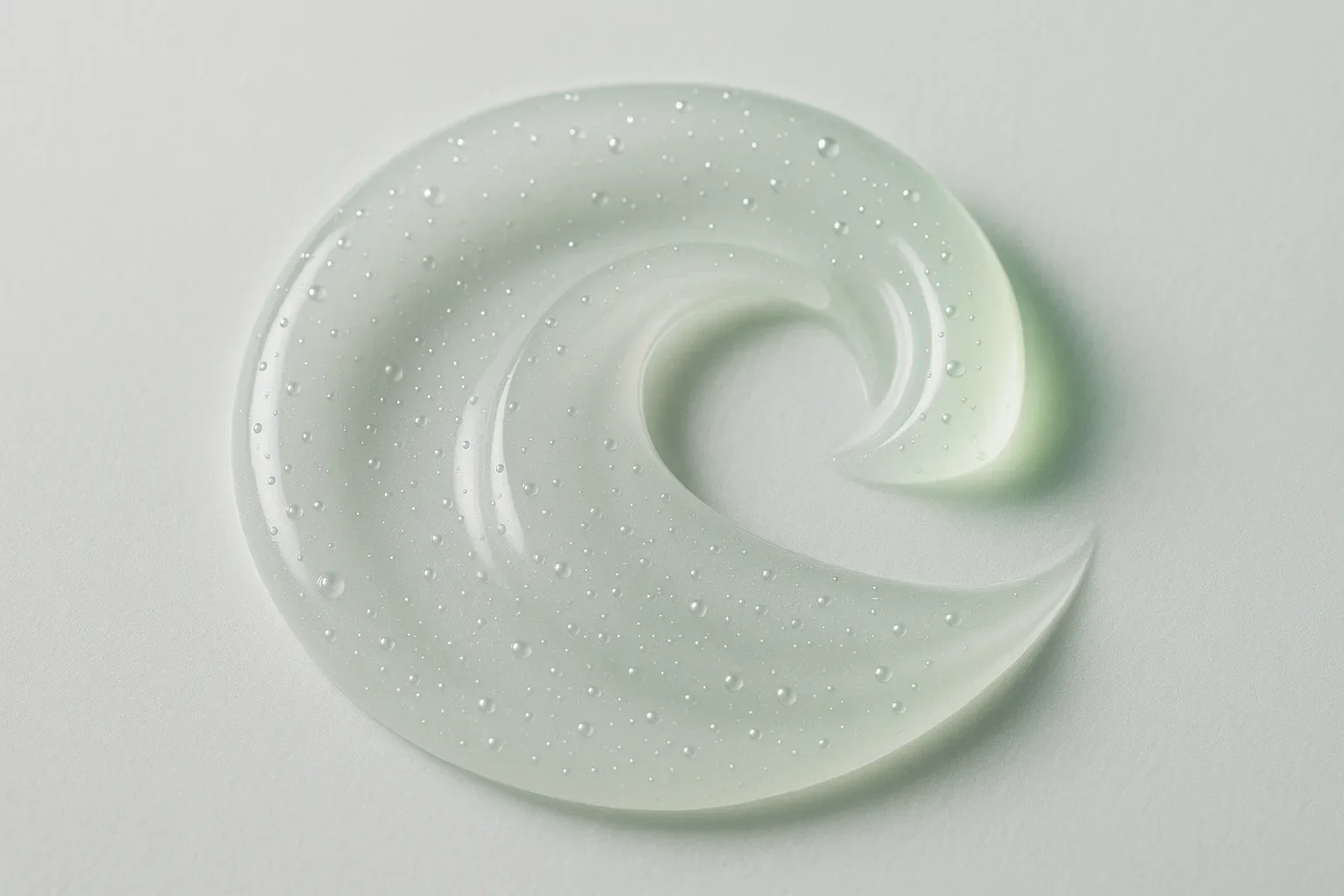
Retinol is a vitamin A derivative ingredient commonly used in cosmetics. After being absorbed into the skin, it undergoes conversion through retinaldehyde to retinoic acid, a process known to affect epidermal cell turnover (renewal cycle). For this reason, it is widely used in products designed to refine skin texture and address wrinkles.
- 1Day 1-2Small amount for evening use, monitor reaction
- 2Day 2-3Possible slight redness and tightness
- 3Day 4-7Pronounced flaking and dryness (purging)
- 4Week 2-4Turnover adaptation, gradual reduction in reaction
- 5After week 4Increase usage frequency, consistent care phase
How retinol works in the skin
Epidermal keratinocytes are generated and shed in regular cycles, but as age increases or UV exposure accumulates, this cycle can slow and become irregular. Retinol derivatives are reported to be ingredients that help guide this turnover rhythm into a normal range. In this process, older dead skin cells are cleared more quickly and new cells move to the surface.
Research also suggests involvement in collagen synthesis environments within the dermis, so with consistent long-term use, it is often utilized for skin texture and elasticity care purposes. However, this should be understood as an accumulative management concept over several months rather than an immediate change.
Retinol adaptation period: when do reactions appear and what are they?
When using retinol for the first time, an adaptive reaction commonly called 'retinol purging' may occur. Within 2–3 days of starting use, subtle redness or tightness may be felt, and by days 4–7, exfoliation may become more noticeable or a slightly dry sensation may intensify.
This period is known as a process where the stratum corneum is reorganized as cell turnover accelerates, and typically after 2–4 weeks, the skin adapts to the ingredient and reactions tend to subside. However, the intensity and duration of reactions can vary significantly depending on the concentration used, skin condition, and concurrent products.
Staged home care — navigating the adaptation period comfortably
During the early retinol introduction phase (weeks 1–2), it is safe to apply a small amount only in the evening 2–3 times per week while observing skin reactions. During this period, exfoliation and internal tightness tend to occur together, so establishing a habit of first soothing the skin barrier with a gentle, hydrating formulation can help.
Even after adaptation has progressed somewhat (week 3 onward), retinol can increase photosensitivity, so morning broad-spectrum sunscreen is essential. At night, gradually increase use frequency, but when exfoliation and dryness become pronounced, it is safer to take a break of a day or two and focus on hydration.
Particularly when exfoliation is prominent and internal tightness persists, many experts recommend hydrating care that penetrates deep into the skin rather than heavy creams. Establishing a home care routine tailored to this timing can help make the adaptation period more manageable.
Post-procedure recovery: home care makes the difference
Exfoliation and internal tightness during the retinol adaptation period are similar to post-procedure recovery. Abijou Cream is designed with a 2-STEP post-procedure recovery concept: Ultra Sera-Rich Cream addresses the initial stage when redness and heat sensation remain, while Hydro Re-Boosting Cream targets the phase when redness has subsided but internal tightness and exfoliation persist, each providing hydration and barrier care suited to its timing. This approach can also be referenced for managing dryness and exfoliation during the retinol adaptation period.
자극 후 건조함 케어에 도움. 개인차가 있을 수 있습니다.
출처 P&K 피부임상연구센타 시험성적서 (PNK-26223-RI1R)
피부결 정돈에 도움. 개인차가 있을 수 있습니다.
출처 P&K 피부임상연구센타 시험성적서 (PNK-26223-RI1R)
피부 각질층 속 수분 케어에 도움. 개인차가 있을 수 있습니다.
출처 P&K 피부임상연구센타 시험성적서 (PNK-26223-RI1R)
FAQ
- How do you distinguish between retinol purging and breakouts?
- Purging typically causes flaking or small breakouts to temporarily appear mainly in areas that were previously clear, subsiding within 2-4 weeks. In contrast, irritant-induced breakouts tend to appear in areas where they didn't occur before and often don't improve over time. If redness or stinging persists severely, it is safer to discontinue use and consult a professional.
- Can retinol be used daily?
- When starting, it is recommended to use it 2-3 times per week to observe skin response, then gradually increase frequency as adaptation occurs. Whether daily use is appropriate depends on the concentration and individual skin condition.
- How should hydration be managed while using retinol?
- Since retinol can cause moisture loss from the stratum corneum, combining it with hydration care helps ease the adaptation period. It is good to focus on internal hydration and barrier care using mild ingredients.
- Is sunscreen essential to use with retinol?
- Retinol is known to increase photosensitivity, so it is safe to apply sunscreen without fail during the day while using it.
- The retinol adaptation period feels unusually long—is that okay?
- Adaptation duration and reaction intensity vary greatly between individuals and may differ depending on concentration and other products used together. If redness or irritation persist beyond 4 weeks, it is recommended to pause use and consult a dermatologist.
Related products
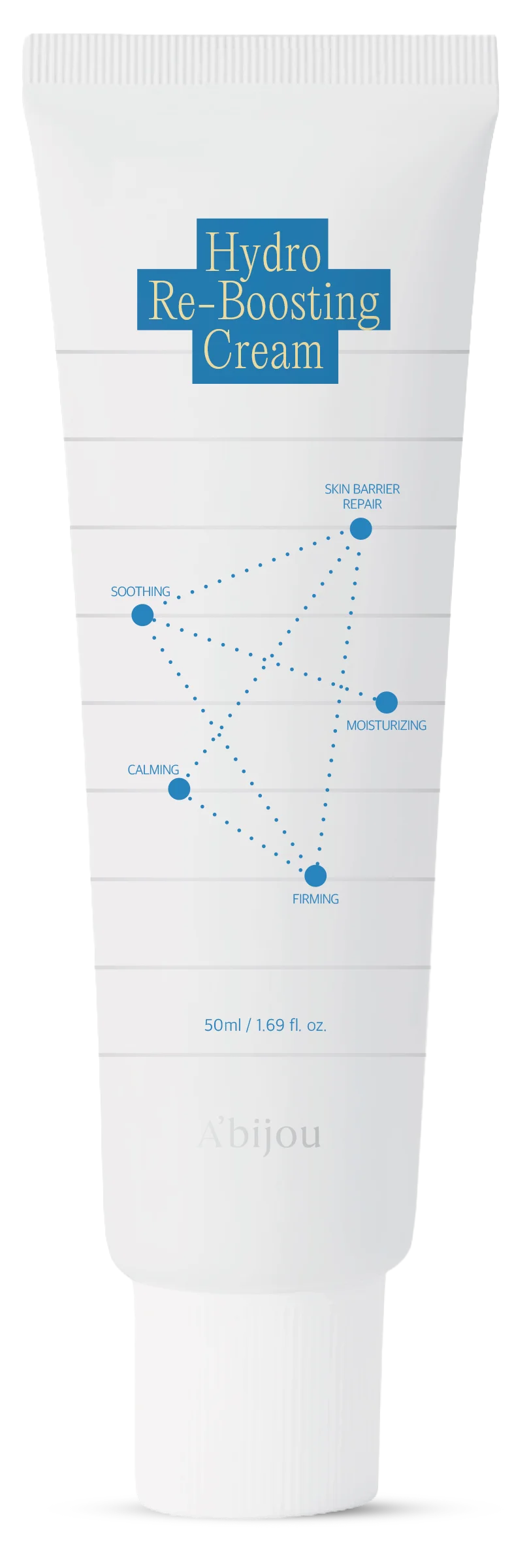 하이드로 리-부스팅 크림Buy
STEP 2 · 회복기 속보습
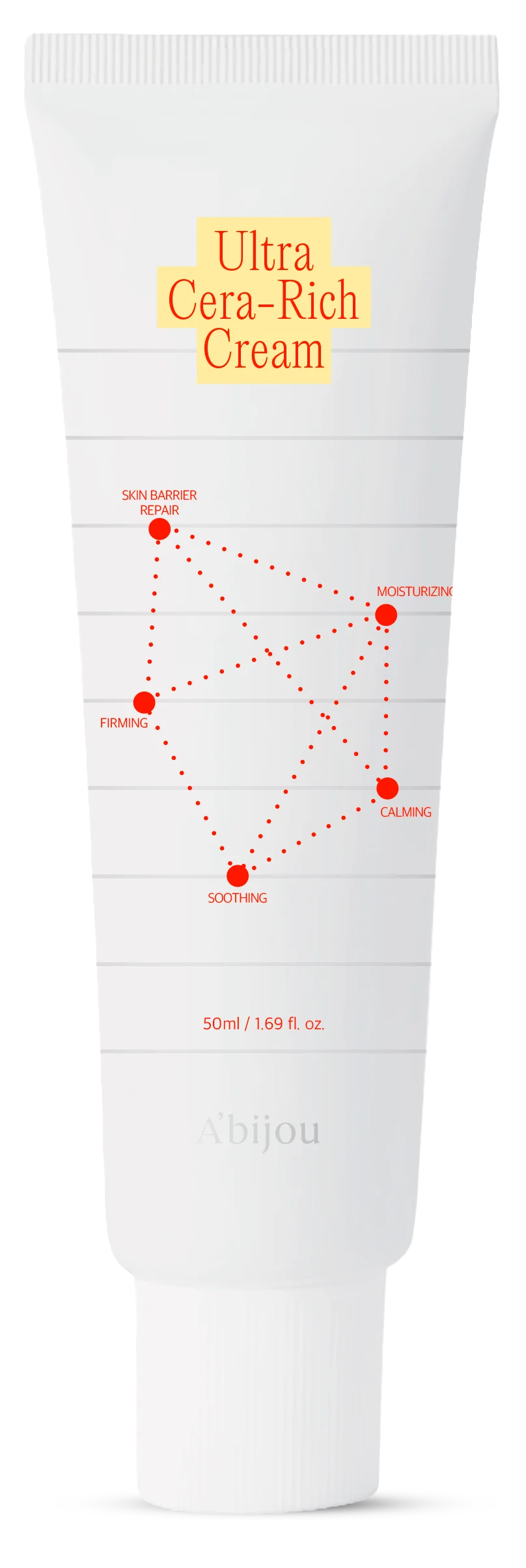 울트라 세라-리치 크림Buy
STEP 1 · 시술 직후 진정·장벽 케어