
Sensitive Post-Procedure Skin: How to Choose a Non-Irritating Cream
After a procedure, skin's barrier is temporarily thinner and more sensitive, so even your usual cream can feel stinging. During this period, the key is prioritizing soothing redness and caring for hydration and the skin barrier with a low-irritation cream free of fragrance, ethanol, and irritating acid ingredients. Adjusting your care routine according to each recovery stage can help your skin feel comfortable faster.
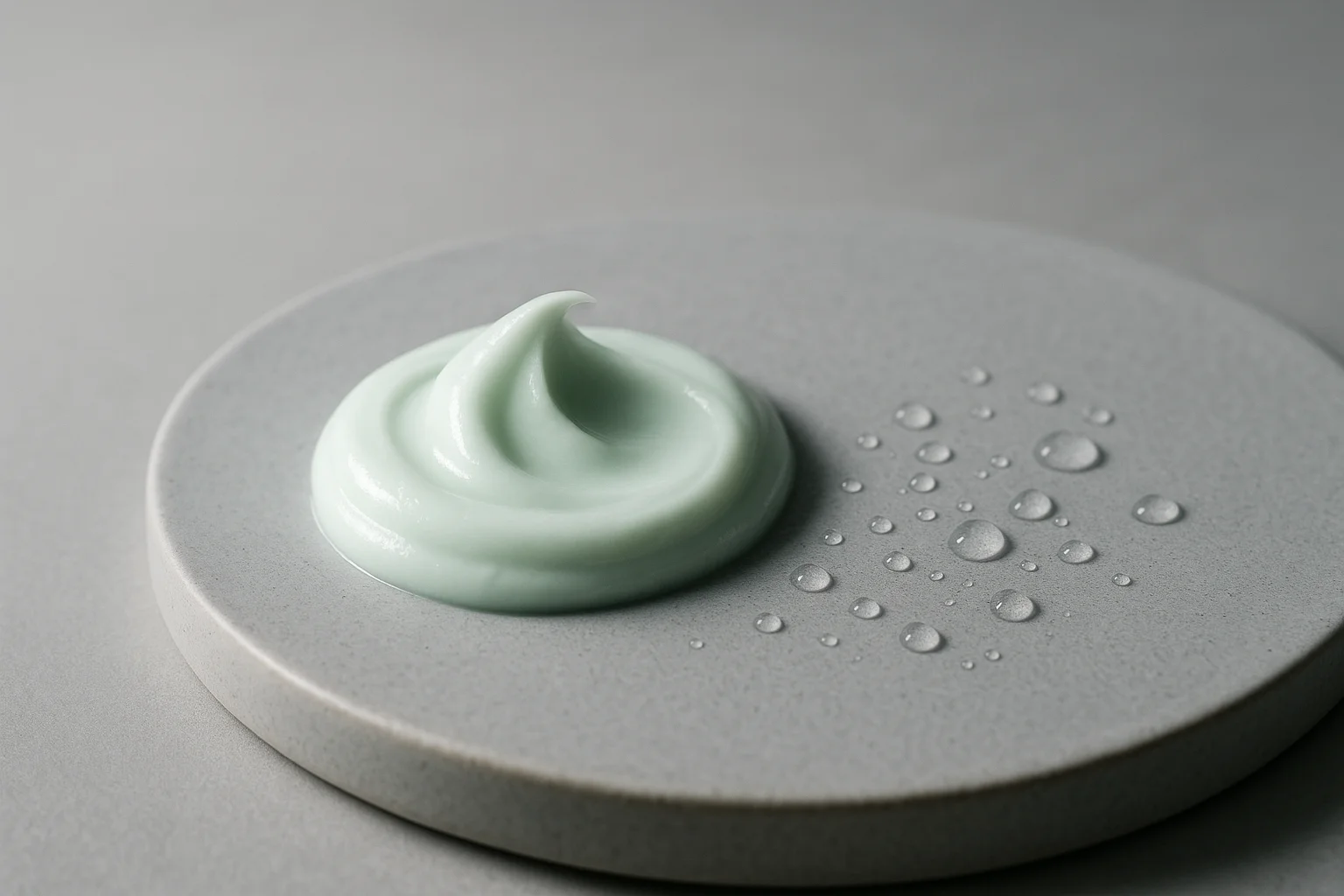
Have you ever applied cream the day after a procedure, following your usual cleansing routine, and found that a product you normally use without issue suddenly feels stinging? This isn't just sensitivity—it reflects your skin's actual condition at that moment. Right after a procedure, the skin's stratum corneum barrier function is temporarily weakened, making it more reactive to external stimuli.
Why Does Skin Become Especially Sensitive After a Procedure?
Procedures using heat energy, such as lifting devices or lasers, work by stimulating collagen and tissue within the skin to trigger a recovery response. During this process, the lipid components of the stratum corneum (ceramides, cholesterol, fatty acids, etc.) become temporarily disrupted, leading to increased water evaporation and leaving the skin dry and sensitive.
At this point, the skin's own protective barrier is weakened, so products containing fragrance, alcohol, or irritating active ingredients may cause more stinging or redness than usual. While this reaction lasting for a few days is a natural part of the process, the products used during this period can affect how quickly the skin becomes comfortable again.
The Recovery Timeline, Stage by Stage
Immediately after the procedure to Day 3: This is when redness, mild warmth, and tightness are most pronounced. During this time, the priority is minimizing irritation and focusing on soothing and barrier care.
Day 4 to around 1 week: As redness gradually subsides, dryness and a tight feeling may become more noticeable. From this point, it can help to shift care toward deep hydration and skin texture refinement.
After 1–2 weeks: Most people gradually return to their regular skincare routine, though individual differences mean some may still feel sensitivity. In such cases, it's advisable to continue using low-irritation products a bit longer while monitoring skin condition.
Home Care by Stage
STEP 1 (Immediately after procedure to Day 3): Cleanse briefly with lukewarm water, avoid all irritating ingredients, and keep your skincare routine simple, focused on soothing and barrier care. It's best to apply thin layers of cream multiple times, using one that contains ingredients like allantoin, panthenol, and beta-glucan, which help ease irritation and provide hydration.
STEP 2 (From Day 4 onward): Once redness subsides, shift your focus to deep hydration and skin texture care. During this period, manage dryness with a cream that provides ample moisture, and ingredients like niacinamide, which support skin texture and tone care, can be helpful.
In both stages, it's important to protect against UV exposure and avoid excessive friction (such as over-cleansing or scrubbing). The key to home care during this period is giving your skin the time it needs to recover on its own.
Home Care Makes the Difference in Post-Procedure Recovery
For these reasons, a 'two-stage care' approach—switching creams according to the recovery stage—can be genuinely helpful after a procedure. The Abijou cream line is divided into two products that follow this approach: from immediately after the procedure to Day 3, the Ultra Cera-Rich Cream, formulated with a complex of 5 types of ceramides, focuses on soothing and barrier care; from Day 4 onward during the recovery period, the Hydro Re-Boosting Cream focuses on deep hydration and skin texture care. Human application testing showed a tendency toward improvement in related indicators (see the clinical data below for detailed figures), and both products passed primary irritation testing with a non-irritating result, designed to be used comfortably even during sensitive periods. Learn more → Abijou Cream (abijoushop.com)
손상 전 수준으로 회복되는 데 도움. 개인차가 있을 수 있습니다.
출처 P&K 피부임상연구센타 인체적용시험
손상 전 수준으로 회복되는 데 도움. 개인차가 있을 수 있습니다.
출처 P&K 피부임상연구센타 인체적용시험
손상 전 수준으로 회복되는 데 도움. 개인차가 있을 수 있습니다.
출처 P&K 피부임상연구센타 인체적용시험
손상 전 수준으로 회복되는 데 도움. 개인차가 있을 수 있습니다.
출처 P&K 피부임상연구센타 인체적용시험
손상 전 수준으로 회복되는 데 도움. 개인차가 있을 수 있습니다.
출처 P&K 피부임상연구센타 인체적용시험
FAQ
- What criteria should I use to choose a gentle cream after a procedure?
- It's best to choose a cream free of fragrance, alcohol, and acidic exfoliating ingredients, and formulated mainly with soothing and barrier-supporting ingredients like ceramides, panthenol, and allantoin. A product with a short, simple ingredient list can be a safer choice during sensitive periods.
- How is a sensitive-skin soothing cream different from a regular moisturizing cream?
- Sensitive-skin soothing creams tend to have a higher proportion of ingredients that help ease irritation, such as allantoin, panthenol, beta-glucan, and Scutellaria extract, while minimizing ingredients that could potentially cause irritation. Regular moisturizing creams, on the other hand, may include fragrance or active ingredients, which can be burdensome for sensitive skin.
- How can I check if a cream is a low-irritation dermatological cream?
- A good criterion is to check whether the product has passed a primary irritation test with a non-irritating result, and whether clinical data is disclosed along with its conditions and sources. Rather than just looking at ingredient names, it's recommended to check whether actual test results are available.
- Is it okay to keep using just one cream after a procedure?
- It's possible, but since skin condition changes by stage (redness-focused vs. dryness-focused), it may be more effective to shift focus from soothing and barrier care in the early stage to deep hydration and skin texture care during the recovery stage.
- What should I do if sensitivity lasts more than a week?
- Recovery time can vary depending on individual factors and may take longer for some. It's recommended to continue using low-irritation products while monitoring your skin condition, and if redness or irritation is severe or persists for a long time, consult the clinic where you had the procedure or a dermatologist.
Medically reviewed by 아비쥬의원 의료진. (September 10, 2026)