
Skin Elasticity Treatments: From How They Work to Post-Care Recovery
Reduced skin elasticity is an aging-related change in which collagen and elastic fibers in the dermis decrease, causing the skin to sag and facial contours to blur. Radiofrequency and ultrasound lifting procedures are used with the goal of improving elasticity, but effects and downtime vary by individual, so consulting a specialist is recommended.
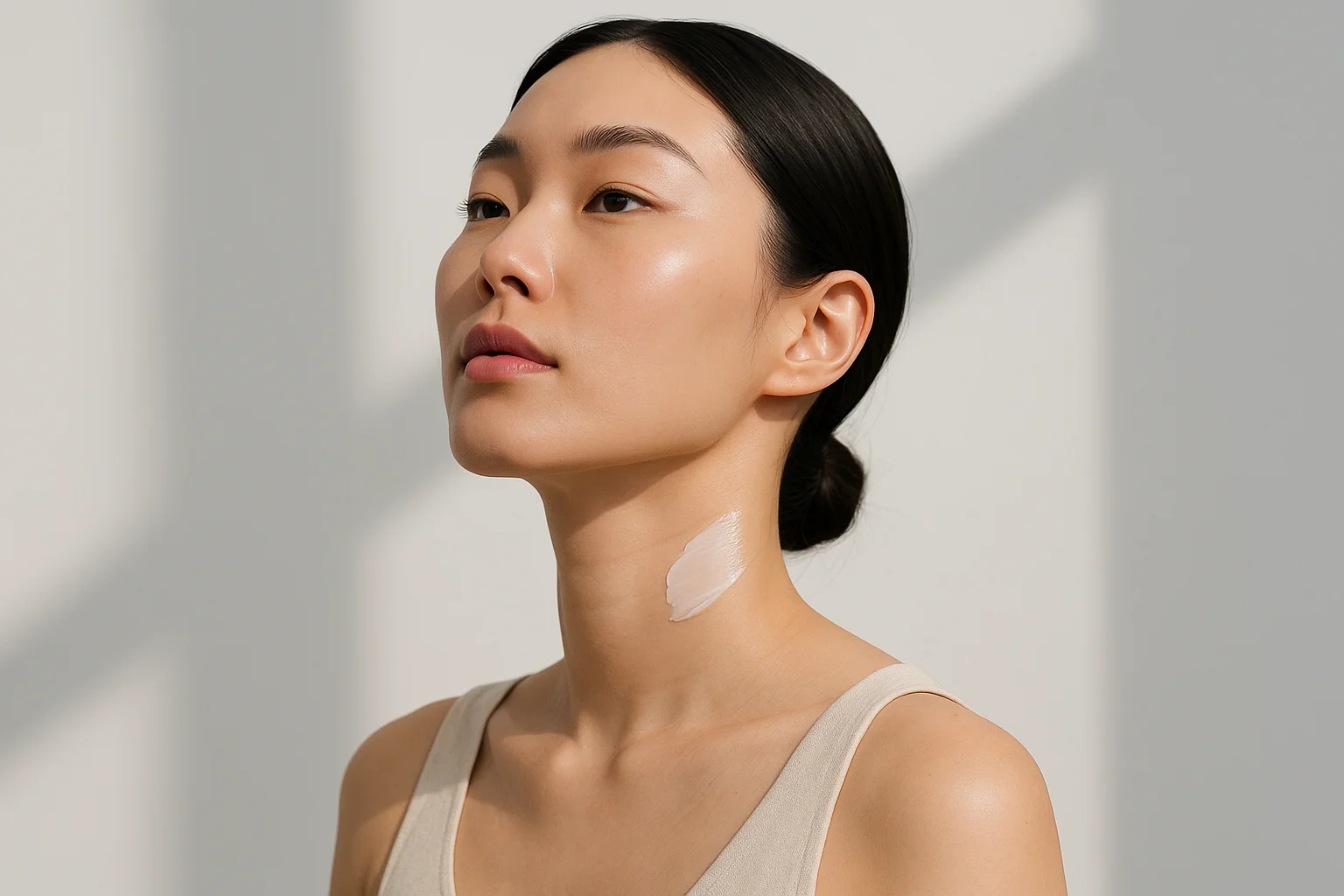
If your facial contours seem less defined than before and your skin feels like it's sagging, reduced elasticity may be the cause. Reduced elasticity is an aging-related change in which collagen and elastic fibers in the dermis decrease, causing the skin to lose firmness and sag.
Radiofrequency and ultrasound lifting procedures are used to address this, and each differs in the depth and method by which energy is delivered. Since the choice of procedure and its effects vary depending on individual skin condition, consulting a specialist is recommended.
Why Does Skin Elasticity Decline?
Skin elasticity is maintained when collagen and elastic fibers in the dermis form a dense supportive structure. As this supportive layer gradually weakens with age, the skin can begin to sag, and overall facial contours may become less defined.
Cumulative UV exposure and irregular lifestyle habits are also known to be factors affecting elasticity loss. However, since the rate and degree of progression vary widely from person to person, the timing and method of care should be determined based on individual skin condition.
How Elasticity-Improvement Treatments Work
The representative methods used to improve elasticity are radiofrequency (RF) lifting and high-intensity focused ultrasound (HIFU) lifting. Radiofrequency lifting is described as delivering heat energy to deep skin layers to stimulate collagen fibers and help improve elasticity.
HIFU is known to work by focusing ultrasound energy on specific points within the skin, momentarily generating high temperatures (reported in the literature to rise to around 80°C or higher) to create thermal coagulation points in the tissue. This process is reported to induce collagen contraction and remodeling, and compared to conventional lasers or RF, it's noted for its ability to deliver energy to deeper structural layers, including the fascia (SMAS).
However, detailed clinical comparison data on these differences in treatment depth have not yet been sufficiently established. Thermage, Oligio, and Ondaleaf lifting are classified as radiofrequency methods, while Ulthera is classified as an ultrasound method, each aiming to help improve elasticity in either deep skin layers or contour areas.
Comparing Elasticity Treatments and Selection Criteria
Radiofrequency lifting is characterized by stimulating deep skin layers, including the dermis, to help improve elasticity, while ultrasound lifting is noted for its ability to deliver energy to deeper structures, including the fascial layer. If the goal is to improve skin elasticity itself, radiofrequency or ultrasound lifting are typically considered first; if sagging is more pronounced in specific areas, procedures aimed at a lifting effect may also be considered together.
However, the appropriate procedure and energy settings can vary depending on the degree of elasticity loss, skin thickness, and fat layer condition. Various sources note that applying excessive energy to areas with thin fat layers can lead to side effects such as burns or localized fat atrophy, so it's essential to make decisions in consultation with an experienced specialist.
Post-Treatment Progress and Downtime
After radiofrequency or ultrasound lifting procedures, temporary redness, swelling, and a tight or sore sensation may occur. These reactions are reported to generally subside within a few days after the procedure, but the degree and duration can vary by individual.
The timing of returning to daily activities also varies depending on the type of procedure and individual skin condition, so it helps to get detailed guidance on the recovery process during a pre-treatment consultation. The degree to which effects are noticeable and how long they last also vary significantly by individual, and maintaining good lifestyle habits alongside treatment can help sustain results.
Home Care During Post-Treatment Recovery
After an elasticity-improvement treatment, the skin goes through a period of temporary sensitivity. During this time, sun protection, minimizing irritation, and home care focused on soothing and moisturizing can help maintain a stable skin condition.
It's also worth considering that low-irritation soothing care is needed in the early stage when heat sensation or redness remains at the treatment site, while sufficient rapid moisturizing care is needed later as recovery progresses.
Home Care Makes the Difference in Post-Treatment Recovery
There are also home care products that can be used in a 2-step approach aligned with this recovery process. One approach is to use STEP1 Ultra Cera-Rich, focused on soothing and barrier care, for skin that's sensitive right after the procedure, followed by STEP2 Hydro Re-Boosting, which helps with rapid moisturizing care, as redness subsides and recovery progresses. However, this is not intended to guarantee the effects of the procedure itself, but rather as a home care concept to support skin condition during recovery; whether to undergo the procedure and how should always be decided in consultation with a specialist.
FAQ
- Can reduced skin elasticity be improved with treatments?
- Procedures that deliver energy to deep skin layers to induce collagen contraction and remodeling are used with the goal of improving elasticity. However, the degree of change and how noticeable it is can vary depending on individual skin condition, so it's important to check with a consultation.
- How is radiofrequency lifting different from ultrasound (HIFU) lifting?
- Radiofrequency lifting delivers heat energy to deep skin layers to help improve elasticity, while ultrasound lifting is noted for focusing energy on deeper structural layers, including the fascia. However, detailed clinical comparison data between the two methods is limited, so it's best to decide through a consultation.
- Is there downtime with elasticity-improvement treatments?
- Depending on the type of procedure, temporary redness, swelling, and a tight or sore sensation may occur, and these are generally known to subside within a few days. Since recovery speed and degree vary by individual, it's advisable to get guidance during a pre-treatment consultation.
- How long do the effects of elasticity-improvement treatments last?
- The duration of results depends on the type of procedure, individual skin condition, and lifestyle habits. Many people repeat treatments periodically, and it's best to confirm the exact interval through a consultation with a specialist.
- How should I do home care after an elasticity-improvement treatment?
- Immediately after the procedure, care should focus on minimizing irritation and soothing the skin, and sufficient moisturizing care may help during the recovery period. It's recommended to follow the specific home care instructions provided by the clinic where the procedure was performed.
Medically reviewed by 아비쥬의원 의료진. (September 10, 2026)