
Skin Texture Improvement Procedures: From Principles to Post-Care Recovery
Skin texture improvement refers to treatments aimed at smoothing rough skin surfaces caused by buildup of dead skin cells, enlarged pores, or reduced elasticity. Representative methods include lasers and microneedling, which induce collagen remodeling through controlled micro-stimulation. Downtime and recovery periods vary depending on the method used, and both the timing and degree of visible results differ by individual, so consultation with a specialist before treatment is necessary.
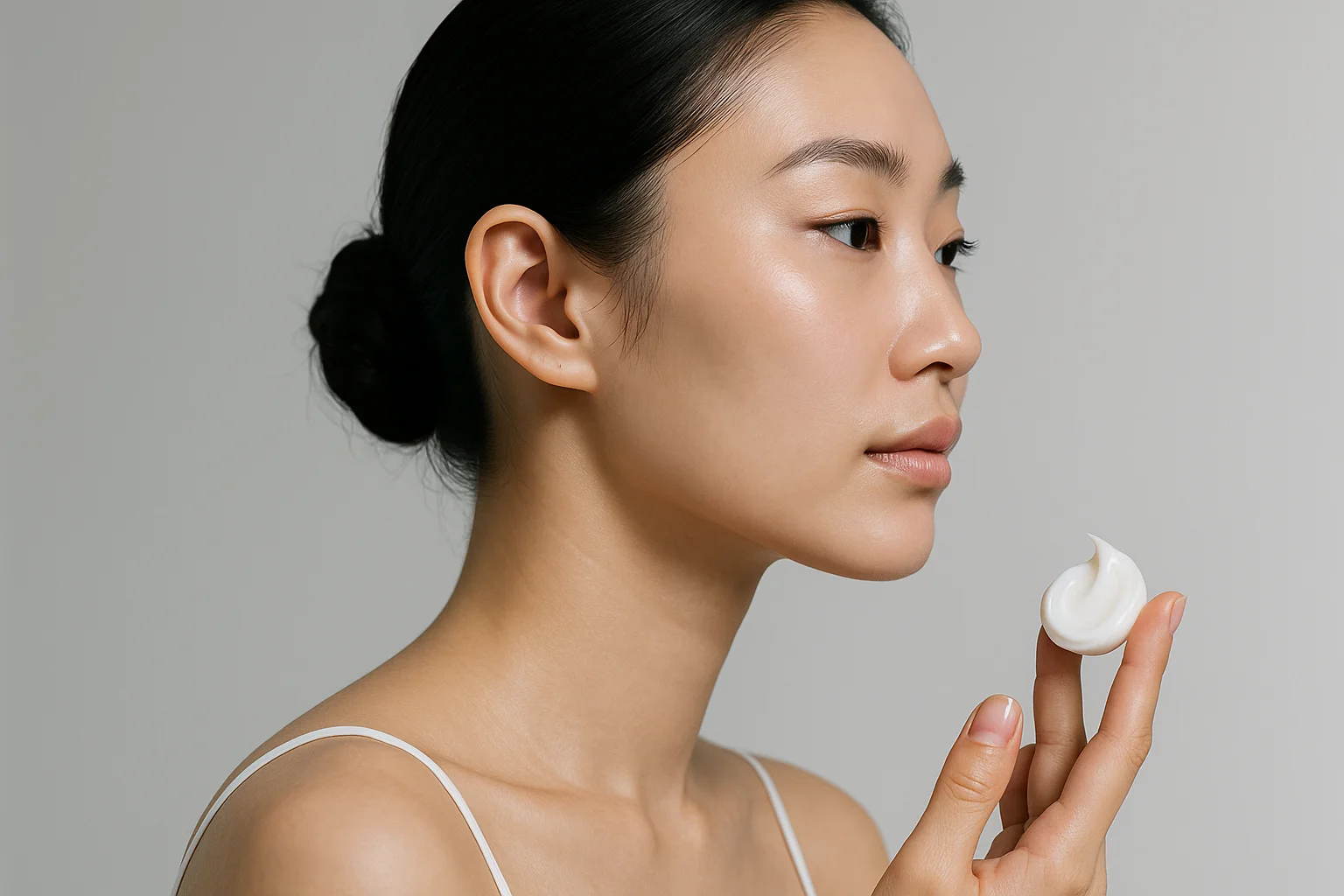
If your makeup keeps lifting, or your skin feels bumpy and uneven to the touch, this may be a sign that your 'skin texture' has changed. Skin texture improvement is an umbrella term for treatments that aim to smooth out this kind of rough surface.
Rough texture can result from various causes, including buildup of dead skin cells, enlarged pores, and reduced elasticity, and the approach can differ depending on the cause. This article covers the principles behind skin texture improvement, common treatment methods, post-procedure progression and downtime, and home care during recovery, in order.
- 1시술 직후미세 열손상·자극, 홍반·예민함
- 2첫 1주부기·건조·각질 벗겨짐 동반 가능
- 3수 주 경과콜라겐 리모델링 진행, 점진적 표면 정돈
- 4회복 후반새 피부 안정화, 결 변화 점차 체감
Why Skin Texture Becomes Rough
Skin texture is shaped by a combination of factors, including the condition of the stratum corneum, pore size, and dermal elasticity. When dead skin cells fail to shed properly and accumulate, the surface becomes rough and light reflects unevenly, while enlarged pores can make localized unevenness more noticeable. Additionally, as collagen and elastic fibers decrease with age, the skin's surface texture tends to become thinner and more irregular overall.
Since the causes are often multifactorial, skin texture improvement is generally understood to be more effective when treatments that manage dead skin cells and sebum are combined with treatments that support collagen production, rather than relying on a single approach.
The Principles Behind Skin Texture Improvement
Common approaches include laser resurfacing, fractional treatments, and microneedling. These methods are generally described as working by delivering fine, controlled stimulation (thermal or physical damage) to the skin to induce collagen remodeling.
Ablative lasers remove the outer layer of skin while delivering heat to underlying tissue, whereas non-ablative lasers leave the surface layer intact while heating deeper layers to stimulate collagen production. Fractional methods are described as creating regular thermal damage in microscopic treatment columns rather than across the entire skin surface, leaving surrounding undamaged skin intact to support recovery. Microneedling works through fine physical stimulation that induces the production of collagen, elastin, and hyaluronic acid, along with the skin's own healing response.
These methods are reported to be used for various surface concerns, including wrinkles, scars, pigmentation changes, and rough texture. Non-ablative and fractional methods, while not producing results as strong as ablative treatments, are described as being more widely used because their level of improvement relative to risk is considered acceptable.
Results, Progression, and Downtime
The effects of skin texture improvement are generally described as appearing gradually rather than immediately, with the surface becoming smoother over several weeks as collagen remodeling progresses. The timing and degree of visible change vary by individual.
Downtime varies significantly depending on the method. Non-ablative lasers often involve little to no downtime, while ablative lasers may cause a mild burning sensation, redness, swelling, and some oozing or crusting, followed by dryness and peeling from around 5 days to 1 week onward. It is understood that additional time is needed for new skin to settle and for final surface changes to appear. Regardless of the method, redness, swelling, dryness, and peeling are commonly experienced during the first week of recovery.
Skin texture improvement is often performed over multiple sessions depending on the cause and condition, and it is recommended that the specific method and number of sessions be determined through consultation with a specialist who has assessed your skin condition.
Why Home Care Matters During Post-Procedure Recovery
Immediately after undergoing procedures such as laser treatment or needling that induce microscopic damage, the skin's barrier function is temporarily weakened. During this period, skin can become more sensitive to external irritants, and moisture can evaporate easily, leading to dryness and tightness. For the skin to recover stably over the several weeks during which collagen remodeling takes place, it helps to support this period with soothing and moisturizing care.
In particular, focusing on minimizing irritation and managing redness and sensitivity immediately after the procedure, then shifting the focus toward deep hydration during the later recovery phase—when flaking subsides and new skin settles in—aligns with the general pattern of recovery.
Frequently Asked Questions
Post-Procedure Recovery Depends on Home Care
From immediately after the procedure through the early recovery period, reducing irritation and focusing on soothing and barrier care can be helpful, and during this time, using a product focused on soothing and barrier care, such as the Abzu Cream STEP1 Ultra Cera-Rich, may be worth considering. Afterward, during the recovery phase when flaking subsides and collagen remodeling progresses, continuing with a product that supports deep hydration, such as STEP2 Hydro Re-Boosting, may also be worth referencing. However, this is supplementary home care and does not guarantee the progression or outcome of the procedure itself, as individual results vary, so it is best to consult with your medical provider before use.
FAQ
- What is the goal of skin texture improvement procedures?
- These treatments aim to smooth out rough skin surfaces caused by buildup of dead skin cells, enlarged pores, or reduced elasticity. The method and intensity can vary depending on the underlying cause and skin condition.
- When can results be noticed?
- Rather than appearing immediately, results are generally described as developing gradually over several weeks as collagen remodeling progresses and the surface becomes smoother. The timing and degree of visible change vary by individual.
- How much downtime is involved?
- This varies significantly depending on the method. Non-ablative lasers often involve little to no downtime, while ablative lasers can be accompanied by redness, swelling, oozing, and peeling, requiring a longer recovery period. Exact downtime depends on the treatment method and individual condition, so consultation with a specialist is recommended.
- Can results be achieved with a single treatment?
- Depending on the cause and condition, treatments are often performed over multiple sessions. The number and interval of sessions are generally determined through individual consultation.
- What kind of home care is recommended after the procedure?
- In the early recovery period, minimizing irritation while focusing on soothing and barrier care is generally recommended, followed by a focus on deep hydration once flaking subsides. Specific home care products should be decided in consultation with your medical provider.
Medically reviewed by 아비쥬의원 의료진. (September 10, 2026)