
How to Care for Dullness and Uneven Skin Tone After a Procedure
Looking a bit dull for a few days after a procedure is a common, temporary part of the recovery process, and it usually settles down naturally over time. Still, keeping up with deep hydration and texture care during this period can help your skin condition settle more smoothly. Rather than exfoliating aggressively or using harsh products, gentle, nourishing home care should come first.
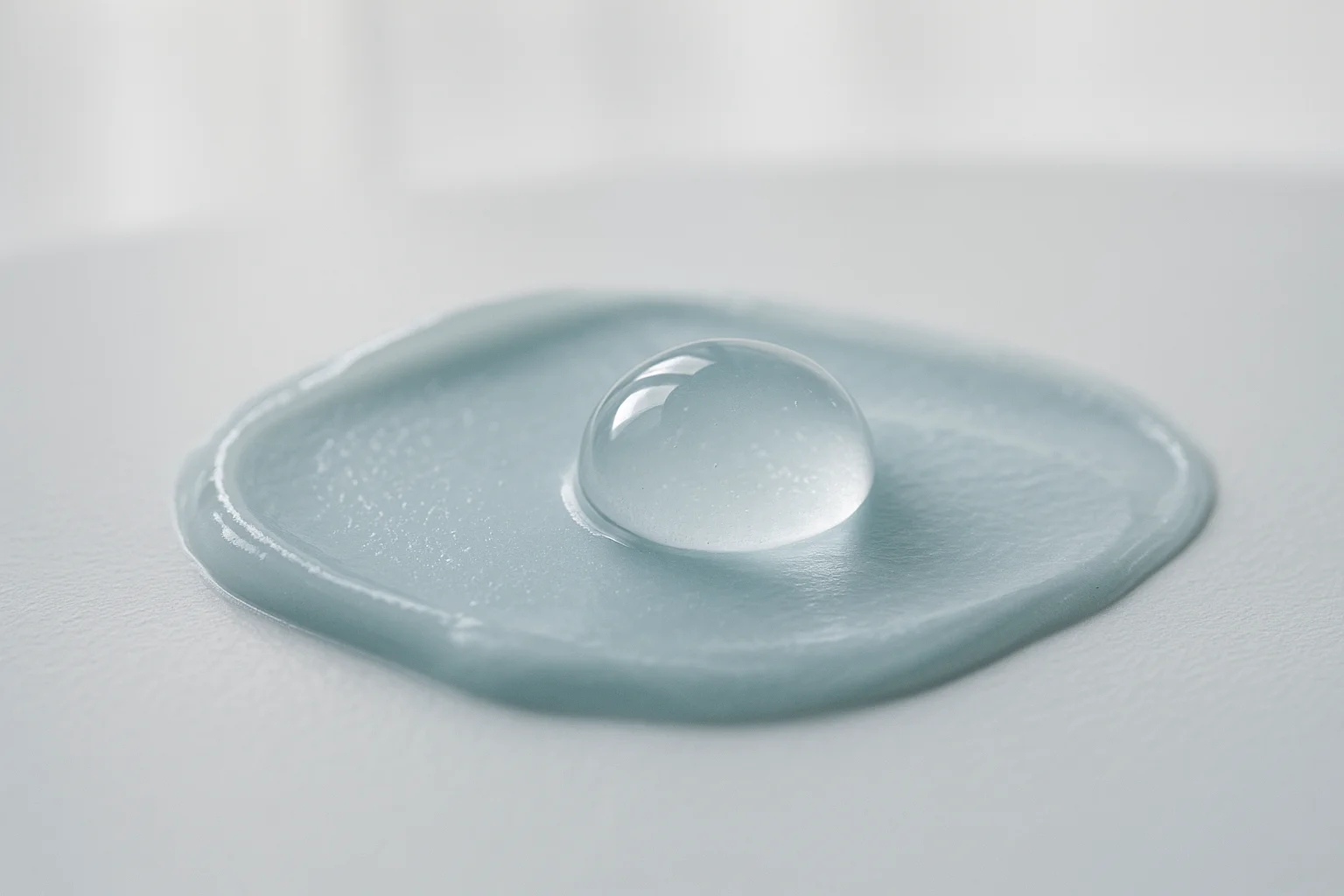
If your skin still looks unusually dull and uneven a few days after a procedure, it's natural to feel a bit concerned. Rather than worrying that something might be wrong, understanding what's actually happening to your skin during this period can help put your mind at ease.
After a procedure, your skin's surface turnover rhythm and moisture-oil balance can be slightly different from usual. During this process, if a thin layer of dead skin builds up unevenly on the surface, light reflects irregularly, which can make your face look dull or dry. It's helpful to understand this as a natural part of your skin's recovery process.
Why Does Dullness Happen After a Procedure?
After treatments like lifting procedures or skin boosters, your skin's internal moisture balance and barrier condition can become temporarily sensitive. When the stratum corneum becomes thicker than usual or the texture becomes uneven, skin tone often appears dull.
Also, right after a procedure, your skin is in a sensitive state and may react more easily to external stimuli. During this process, subtle redness or dryness can appear alongside dullness, making the overall tone look uneven. In most cases, these changes are simply part of your skin naturally restoring its balance.
How Recovery Progresses Over Time
Days 1–3 right after the procedure are when your skin is most sensitive. You may notice redness or a warm sensation, and it's natural for the skin's surface to appear sensitive during this time. The priority during this period is focusing on soothing and barrier care.
Between day 4 and week 1–2, as your skin gradually stabilizes, dullness or uneven tone may become more noticeable. Even if your skin looks calm on the surface, it may still be recovering underneath—so keeping up with deep hydration and texture care during this period can help your skin return to a more comfortable condition.
After week 2, most people notice their skin tone gradually becoming more even. Still, since recovery speed varies from person to person, it's better to watch your skin's progress with consistent care rather than expecting overly quick results.
Home Care by Stage
During days 1–3, it's important to start with gentle cleansing. Wash lightly with lukewarm water and avoid harsh exfoliation or scrubs. During this period, it's best to prioritize comforting your skin with products containing ingredients like panthenol and allantoin, which can help with soothing and barrier care.
From day 4 onward, as your skin enters the recovery phase, it's time to focus on deep hydration and tone care. During this period, it's a good idea to build a routine that replenishes your skin from within using products with ingredients like niacinamide, which can help with texture and tone care, and beta-glucan, which supports hydration.
Don't forget sun protection in your daily routine, either. Skin that's become sensitive after a procedure can be more easily affected by UV exposure, so applying sunscreen thoroughly before heading out can also help support tone care.
Home Care Makes All the Difference in Post-Procedure Recovery
The key to home care during the recovery phase (from day 4 onward) is hydration that replenishes from within. The Hydro Re-Boosting Cream is a STEP2 recovery cream designed to address both deep hydration and texture care that your skin needs during this period, with ingredients like niacinamide and beta-glucan that can help settle your skin's condition. Regardless of the type of procedure you had, it's worth considering if you're looking for tone care support during recovery.
손상 전 수준으로 회복되는 데 도움
출처 P&K 피부임상연구센타 인체적용시험, 성인여성 21명, 개인차가 있을 수 있습니다
손상 전 수준으로 회복되는 데 도움
출처 P&K 피부임상연구센타 인체적용시험, 성인여성 21명, 개인차가 있을 수 있습니다
FAQ
- When does the dullness after a procedure go away?
- It varies by person, but in most cases it gradually eases after about 1–2 weeks. Keeping up with deep hydration and texture care during this time can help your skin return to a more comfortable condition. Since recovery speed differs from person to person, there's no need to worry too much.
- Is it okay to exfoliate to help even out skin tone after a procedure?
- During the sensitive period right after a procedure, it's best to avoid harsh exfoliation like scrubs or peels. To avoid interfering with your skin's natural recovery process, prioritize gentle cleansing and moisturizing care, and it's recommended to consult a dermatologist before starting any exfoliation.
- The dullness after my procedure feels especially severe—is that normal?
- The degree and duration of dullness can vary depending on skin type and the type of procedure. However, if redness or a warm sensation persists for a long time, or if you notice any unusual symptoms, it's safer to check with the clinic or dermatologist where you had the procedure.
- What ingredients can help with tone care?
- Niacinamide is known as an ingredient that can help with skin texture and tone care, while beta-glucan can help with hydration and soothing. When choosing home care products for the recovery period, it's a good idea to check whether they contain these kinds of ingredients.
Medically reviewed by 아비쥬의원 의료진. (September 10, 2026)