
4 Things to Know Before Using Squalane
Squalane has a structure similar to skin lipids, making it a generally mild oil to use, but for skin prone to clogged pores, excessive amounts, or the habit of layering it thickly on skin irritated right after a procedure can actually lead to breakouts or a stuffy feeling. Especially during periods when the skin barrier is weakened, it's better to combine soothing and moisturizing care rather than relying on squalane alone.
Squalane is known for its structure similar to sebum, allowing for fast absorption and low irritation, making it a popular oil ingredient among all ages and genders. However, being 'low irritation' doesn't mean it 'suits everyone at all times.' There are clearly points that require caution depending on the purpose of use and skin condition.
Why Squalane Requires Caution
Squalane is a representative emollient (an ingredient that smooths the skin's surface) that works more to prevent existing moisture from evaporating rather than supplying moisture itself. In other words, using squalane alone may only achieve 'prevention of moisture loss' rather than true 'moisturizing,' so if the skin actually lacks internal moisture, it may feel smooth on the surface but tight underneath.
Additionally, due to the occlusive feel characteristic of oil ingredients, excessive use may lead to breakouts in skin types with high sebum production or a tendency for clogged pores. It's also worth considering that lower-grade, less refined products may have variability in ingredient stability.
Squalane Use That Should Be Viewed Differently by Timing
For normally healthy skin, squalane can be used without issue as a small amount applied over a moisturizing cream after cleansing, to create a moisture-sealing layer.
However, things are different right after the skin has been irritated—for example, right after intense exfoliation or a procedure, when redness and heat are still lingering. In this state, applying a thick layer of oil can trap heat on the skin's surface, which may actually slow down soothing or cause a feeling of stuffiness. During this period, a lighter formula that prioritizes hydration and soothing ingredients over oils is more suitable.
During the recovery period, 4 to 7 days after irritation when redness has subsided but tightness and flaking remain, thinly applying a sealing ingredient like squalane can be helpful. However, even at this stage, it's important to first fill the skin with hydrating and moisturizing ingredients, then apply a small amount as the final step.
Use Squalane With These Precautions
1. Start with a small amount. One or two drops can cover the entire face, so more is not necessarily better with this ingredient.
2. The order is 'hydration first, oil last.' Filling the skin first with toner and a moisturizing cream, then applying a thin layer as the final step, is the proper way to make full use of its sealing effect.
3. Take a break during periods when your skin is sensitive (right after irritation or a procedure). During this time, prioritize a lighter formula focused on soothing and moisturizing rather than oils, and it's safer to restart with a small amount of squalane once the redness has sufficiently subsided.
4. If you have trouble-prone skin, it's recommended to apply it selectively to dry areas rather than the entire face.
For Irritated Skin, Step-by-Step Home Care Comes First
During periods when redness and heat remain, such as right after a procedure, it makes more sense in terms of order to first use a formula focused on soothing redness and caring for the irritated skin's barrier, rather than an oil ingredient like squalane. Afterward, during the recovery period when redness subsides and tightness begins, switching to care focused on deep hydration and then thinly adding a sealing ingredient like squalane on top can help reduce burden on the skin.
Home Care Determines Post-Procedure Recovery
When this kind of step-by-step approach is needed, ZXQMAGAZINETERM_ABZU_CREAM_ZXQ offers a 2-STEP composition tailored to the post-procedure recovery flow. In the initial 1 to 3 days when redness and heat remain, it's recommended to prioritize soothing and barrier care with the Ultra Cera-Rich Cream, and from day 4 onward, once redness has subsided but tightness remains, fill in deep hydration with the Hydro Re-Boosting Cream, then thinly add an oil on top if needed. Both products are formulated with a composition similar to skin lipids, including 5 types of ceramides.
물리적 자극으로 붉어진 피부의 붉은기 진정에 도움. 개인차가 있을 수 있습니다.
출처 P&K 피부임상연구센타 시험성적서 (PNK-26224-RI2R)
물리적 자극으로 손상된 장벽이 손상 전 수준으로 회복되는 데 도움. 개인차가 있을 수 있습니다.
출처 P&K 피부임상연구센타 시험성적서 (PNK-26224-RI2R)
자극 후 건조함 케어에 도움. 개인차가 있을 수 있습니다.
출처 P&K 피부임상연구센타 시험성적서 (PNK-26223-RI1R)
사용 24시간 후에도 보습 수치 유지에 도움. 개인차가 있을 수 있습니다.
출처 P&K 피부임상연구센타 시험성적서 (PNK-26223-RI1R)
FAQ
- Can squalane be used on oily skin as well?
- In small amounts, it's often fine, but for skin prone to clogged pores, it's recommended to apply it partially to dry areas rather than all over. If breakouts recur after use, it's best to stop using it and monitor the skin's condition.
- Is squalane alone enough for moisturizing?
- Squalane functions more to prevent moisture evaporation than to actually supply moisture. It may be more effective to first hydrate the skin with a toner or moisturizing cream, then use squalane as a final sealing step.
- Can squalane be applied right after a procedure?
- Right after a procedure, when redness and heat remain, it's better to first focus on lightweight formulas centered on soothing redness and barrier care rather than oil-based products. It's recommended to reintroduce squalane in small amounts only after the redness has sufficiently subsided.
- Can squalane and ceramide be used together?
- Yes, since squalane serves as a sealing layer and ceramide is a component that builds the skin barrier, they often work well together. However, it's best to apply the ceramide-containing cream first, followed by a thin layer of squalane at the end.
Related products
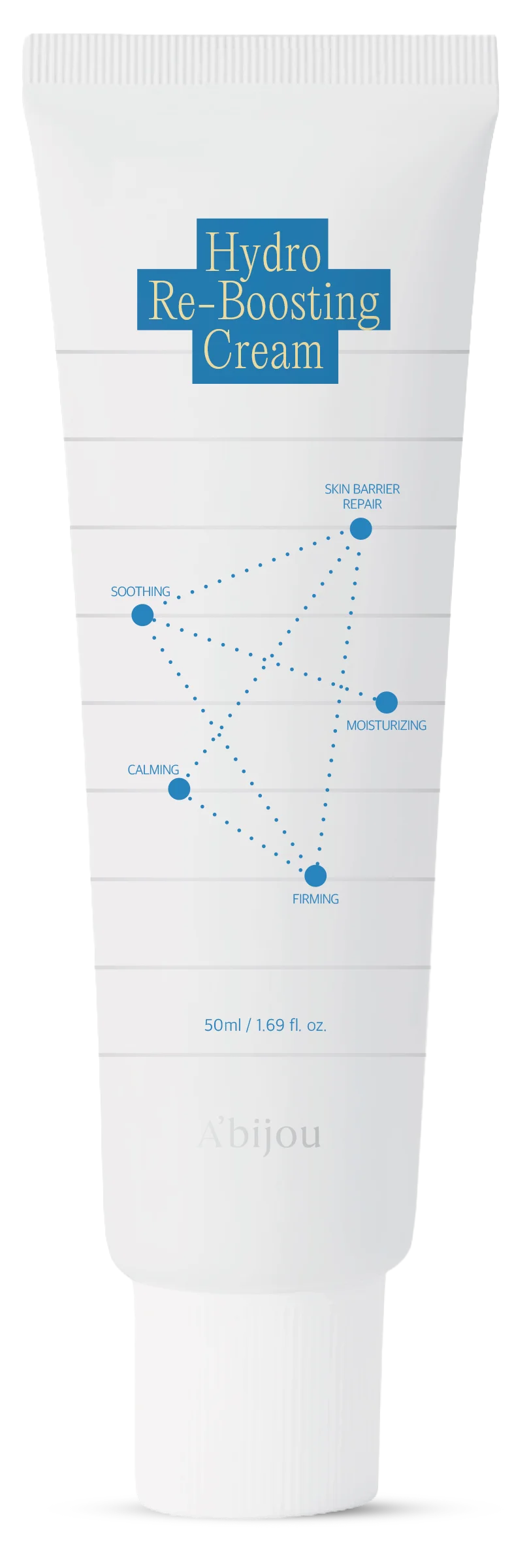 하이드로 리-부스팅 크림Buy
STEP 2 · 회복기 속보습
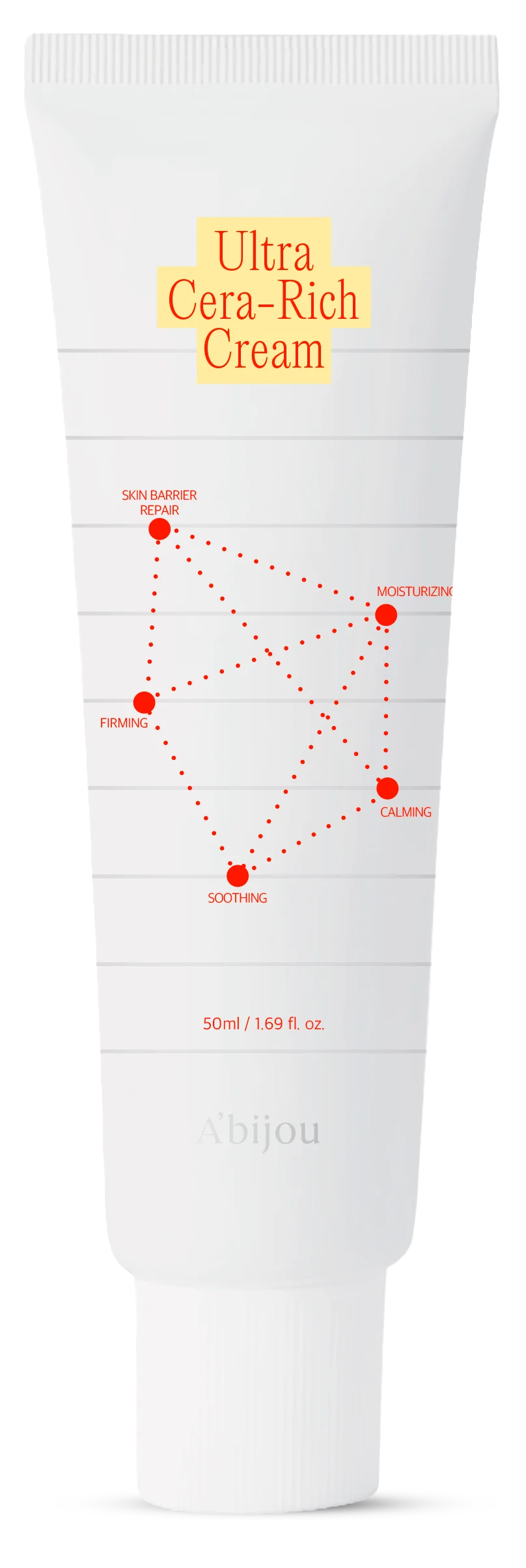 울트라 세라-리치 크림Buy
STEP 1 · 시술 직후 진정·장벽 케어