
Causes of Surface Dryness and Treatment Options: What You Should Know
Surface dryness refers to a state where the skin's surface appears rough, flaky, and dull—a common term closer to the medical concept of 'xerosis.' Care and treatments that refine surface texture and add hydration may help, but the choice of method and perceived results vary by individual, so consulting a specialist is recommended.
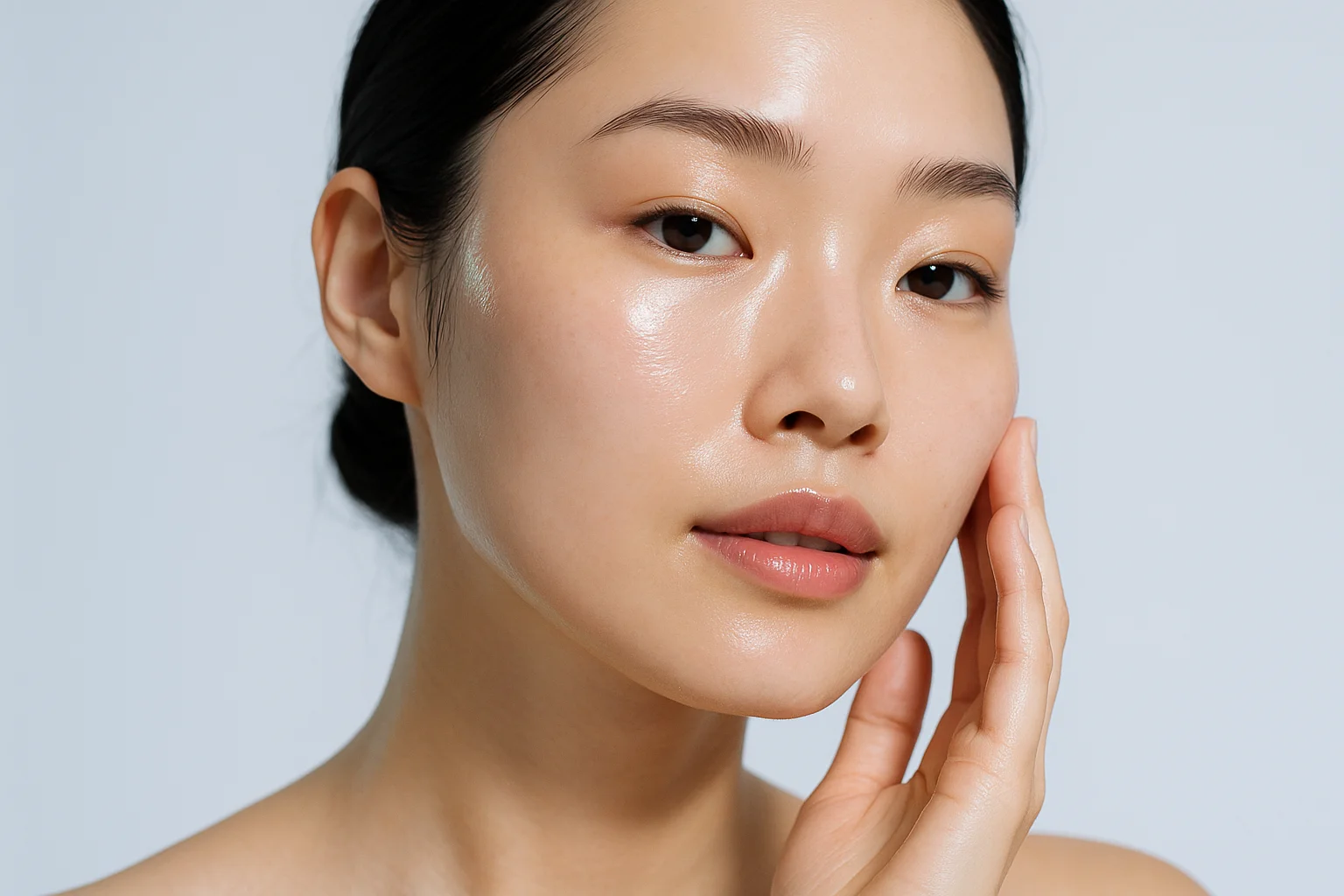
'Surface dryness' is not so much a standardized medical term as a common expression referring to a state where the skin's surface is particularly rough, flaky, and appears dull. Academically, terms like 'xerosis' or 'dry skin' are used, describing a condition where the skin has less moisture than normal.
This article covers why surface dryness occurs, what treatment options are available, and what kind of care may help during the recovery period after treatment. Whether to undergo treatment and which method to choose depends on skin condition, so consultation with a specialist is necessary.
- 1시술 직후표면 예민, 붉은기 가능성 — 자극 최소화
- 2회복 초기진정·장벽 케어 중심 홈케어
- 3회복기속보습 케어로 촉촉함 보강
- 4유지 관리생활 습관·환경 관리 병행, 필요 시 재상담
Why Does Surface Dryness Occur?
Xerosis is reported to occur when the skin's oil-moisture balance is disrupted. Changes in lipid secretion due to aging lead to damage in the skin barrier, and increased moisture loss during this process is explained as one of the main mechanisms.
The causes are known to involve a combination of external and internal factors. External factors such as dry environments, frequent washing or bathing, UV exposure, and vigorous scrubbing, along with internal factors such as aging, ichthyosis, atopic dermatitis, and chronic kidney failure, are commonly mentioned together. Clinically, mild redness, skin cracking, flaking (scaling), and rough surface texture are often reported, with a tendency to appear more commonly during cold, dry seasons.
For reference, according to specialist opinion, the dry, rough, flaky condition mainly observed in older adults is referred to as 'xerosis,' while if accompanied by dermatitis, it is distinguished as 'xerotic dermatitis (dry eczema).' Diagnosis is generally possible through visual observation, and skin moisture measurement devices may be used as a supplementary tool when necessary.
What Treatments Are Available for Improving Surface Dryness?
Treatments and care aimed at improving surface dryness can be broadly divided into care that refines surface texture and injection methods that directly replenish moisture. Hydration care focuses on refining surface texture and adding moisture, while LDM care aims to provide soothing and moisture support through micro-stimulation.
In cases where moisture deficiency is pronounced, injection methods that directly replenish moisture components into the skin, such as full-face water-glow or water-glow injections, may also be considered together. Full-face water-glow aims to evenly replenish moisture across the entire face, while water-glow injections work by replenishing moisture components.
If roughness and flaking on the surface are the main concerns, texture-refining care is often prioritized, while if moisture deficiency itself is the issue, replenishing methods are often considered first. If the skin is in a sensitive state, the approach may be adjusted to focus more on soothing, so it is recommended to determine the specific choice through consultation.
Recovery Process and Downtime for Surface Dryness Treatments
Care related to surface dryness is generally known to be relatively low-burden, but depending on the method, mild redness may temporarily appear right after treatment. Recovery speed and the degree of perceived effect vary depending on individual skin condition and the treatment method used.
The duration of effects also varies by individual. Since surface dryness is easily influenced by environmental changes and lifestyle habits, the skin may become rough again over time, which is why some cases involve repeating care at certain intervals depending on the condition. The interval is best determined through consultation with a specialist based on individual condition.
Why Home Care During the Recovery Period After Treatment Matters
Right after treatment is a period when the skin surface can temporarily become sensitive and prone to increased moisture loss. Minimizing irritation during this period and combining it with home care that reinforces hydration and moisture can help support the treatment's goals of refining surface texture and enhancing moisture.
Surface dryness in particular tends to become more pronounced when the skin barrier is weakened, so care that addresses both soothing and hydration during the recovery period is necessary. However, since care methods and product choices may vary depending on individual skin condition, it is advisable to refer to guidance from a specialist.
Home Care Determines Recovery After Treatment
Since the surface tends to become sensitive right after treatment, care focused on soothing and barrier support can be helpful. AB'ZOO Cream is structured in 2 steps to align with this recovery process. STEP1 Ultra Cera-Rich focuses on soothing redness and barrier care right after treatment, while STEP2 Hydro Re-Boosting focuses on deep hydration care during the subsequent recovery period. STEP1 may be referenced after treatments using lifting or thermal energy, while STEP2 may be referenced after skin booster-type treatments like water-glow injections. The actual use and method should be decided after consulting with the medical institution where the treatment was received.
FAQ
- What does 'surface dryness' mean medically?
- 'Surface dryness' is not a standardized medical term but a common expression referring to skin that appears rough, flaky, and dull on the surface. Medically, it is explained as being close to xerosis or dry skin.
- Can treatments improve surface dryness?
- There are care and treatment options aimed at refining surface texture and adding hydration to enhance moisture. However, results and perceived effects vary by individual depending on skin condition and underlying causes.
- Which treatments should be considered first for surface dryness?
- Hydration care focused on refining the surface is often considered first, and when moisture deficiency is severe, hydrating injection methods like water-glow treatments may also be considered together. It is recommended to determine the specific choice through a consultation.
- Is there downtime with surface dryness treatments?
- These are generally known as relatively low-burden care options, but depending on the method, mild redness may temporarily appear right after the treatment. Recovery speed varies by individual.
- Why is home care important after surface dryness treatment?
- Right after treatment, the skin surface can become sensitive and prone to increased moisture loss, so home care that minimizes irritation and reinforces soothing and hydration can help achieve the treatment's goals. It is best to consult a specialist for specific care methods.
Medically reviewed by 아비쥬의원 의료진. (September 10, 2026)