
Surface Dryness Homecare Method: How to Care for Skin That Feels Tight After a Procedure
If the redness has faded after a procedure but your skin still feels tight underneath with flaking appearing, the key is to use different creams suited to the immediate irritation stage and the recovery stage. In the early period, focus on soothing and barrier care, and from around day 4 onward, switch to deep hydration care to more comfortably manage tightness and flakiness. Simply following the right order can make a noticeable difference in how effective your homecare feels.
Many people find that a few days after a lifting or skin booster procedure, even though the redness has largely subsided, their skin still feels stiff and tight underneath, with fine flakes starting to appear. This is commonly called 'surface dryness'—a condition where the surface looks fine, but there's a lack of moisture within the stratum corneum.
After a procedure, the skin's barrier is temporarily weakened, so its ability to hold onto moisture is lower than usual. During this window, exposure to external irritants or dry air can make internal tightness, flaking, and roughness feel more pronounced. There's no need to worry, though—if you follow homecare suited to each stage, you can get through this process quite comfortably.
- 1Days 1–3Redness and warmth are concentrated; prioritize soothing and barrier care
- 2Days 4–7Internal tightness and flaking begin; switch to deep hydration care
- 3After day 7Skin texture stabilizes; timing of recovery varies by individual
Why does surface dryness get worse after a procedure?
The stratum corneum on the skin's surface has a structure in which lipid components such as ceramides, cholesterol, and fatty acids are stacked like bricks to prevent moisture evaporation. Since procedures using heat energy, such as lasers or radiofrequency, or needle-based skin boosters temporarily stimulate this structure, moisture can evaporate faster than usual right after treatment.
In the early stage, redness and heat sensation tend to stand out first, but after this phase, a 'tight, inner dryness' often follows. This is a natural change that can occur until the barrier is fully restored, so it's important to provide moisturizing and soothing care in stages.
How the recovery progresses over time
The first 1 to 3 days after a procedure are marked by noticeable redness, heat sensation, and tingling. Since the skin is sensitive to stimulation during this time, soothing and protection should be the top priority.
From day 4 onward, as the redness subsides, the skin enters a recovery phase where tightness, flaking, and dullness become more apparent. During this period, it's good to gradually shift toward deep moisturizing care that replenishes the barrier.
Around a week later, the skin texture usually starts to stabilize for most people, though the exact timing can vary depending on individual skin condition and the type of procedure. Rather than rushing, patiently following each stage is the fastest way to recovery.
Step-by-step home care is easy once you know the order
In Stage 1 (right after the procedure to day 3), it's recommended to lightly hydrate with a toner after cleansing, then apply a low-irritation moisturizer, avoiding strong exfoliants or highly concentrated active ingredients. The key is to gently pat the product in without rubbing, allowing it to absorb.
From Stage 2 (day 4 onward), the focus shifts to replenishing deep moisture in areas that feel tight or flaky. Rather than light textures, choose a cream that can deliver moisture deep into the stratum corneum, adjusting the amount based on how well the skin absorbs it.
Managing these two stages separately matters more than you might think. Applying a heavy moisturizing cream too early can actually cause irritation, while continuing with only light soothing care during the recovery phase can prolong the feeling of inner dryness.
Dividing care into two stages with two creams makes management easier
Many people find it confusing to know which cream to use and when, but the early stage, where irritation is concentrated, and the recovery phase, where inner dryness emerges, call for different things from the skin. That's why ZXQMAGAZINETERM AB-Zு Cream ZXQ is designed as a 2-STEP system tailored to these two periods.
STEP1 Ultra Cera-Rich Cream is designed to focus on soothing and barrier care during the first 1 to 3 days after a procedure, when redness and heat sensation are present, while STEP2 Hydro Re-Boosting Cream is made to continue with deep moisturizing care from day 4 onward, when tightness and flaking become noticeable. Using them in order according to the timing can help manage the tight, dull feeling typical of surface dryness more comfortably.
Post-procedure recovery depends on home care
The key to post-procedure dryness home care is a 2-step routine: during the initial phase when irritation is concentrated, soothe redness and support the skin barrier with Ultra Cera-Rich Cream; during the recovery phase when inner tightness appears, replenish deep hydration with Hydro Re-Boosting Cream. Both products were determined to be non-irritating in human skin primary irritation tests, so they can be considered without concern even during sensitive periods.
물리적 자극으로 붉어진 피부 진정에 도움을 줄 수 있습니다. 개인차가 있을 수 있습니다.
출처 P&K 피부임상연구센타 시험성적서 (PNK-26224-RI2R)
손상된 장벽이 손상 전 수준으로 회복되는 데 도움을 줄 수 있습니다. 개인차가 있을 수 있습니다.
출처 P&K 피부임상연구센타 시험성적서 (PNK-26224-RI2R)
자극 후 건조함 케어에 도움을 줄 수 있습니다. 개인차가 있을 수 있습니다.
출처 P&K 피부임상연구센타 시험성적서 (PNK-26223-RI1R)
사용 24시간 후에도 보습 수치 유지에 도움을 줄 수 있습니다. 개인차가 있을 수 있습니다.
출처 P&K 피부임상연구센타 시험성적서 (PNK-26223-RI1R)
피부 각질층 속 수분 케어에 도움을 줄 수 있습니다. 개인차가 있을 수 있습니다.
출처 P&K 피부임상연구센타 시험성적서 (PNK-26223-RI1R)
FAQ
- Is surface dryness different from deep skin dehydration?
- Even when the surface looks smooth, a lack of moisture within the stratum corneum is commonly referred to as surface dryness or internal dehydration. This can become more noticeable after a procedure when the skin barrier is temporarily weakened, and managing it with hydration care suited to the timing can help.
- Is it okay to apply a thick moisturizing cream right after a procedure?
- During the initial 1 to 3 days, when redness and warmth are concentrated, it's best to apply a light, low-irritation soothing product. We recommend adding a heavier moisturizer later, from around day 4 onward, when internal tightness begins.
- Is it okay to forcefully rub off flaking skin?
- Rubbing to remove flakes from irritated skin can actually increase irritation. It's safer to gently smooth the texture with hydration and let it settle naturally over time.
- How many days does surface dryness usually last?
- It varies depending on individual skin condition and the type of procedure, but in many cases it tends to become noticeable around day 4 and gradually stabilize around one week.
- Can Ultra Cera-Rich and Hydro Re-Boosting be used together?
- These two products are designed for the early soothing stage and the recovery-stage deep hydration stage respectively, so we recommend using them in sequence. Depending on your skin condition, you can also layer them, adjusting focus on areas where tightness is strongest.
Related products
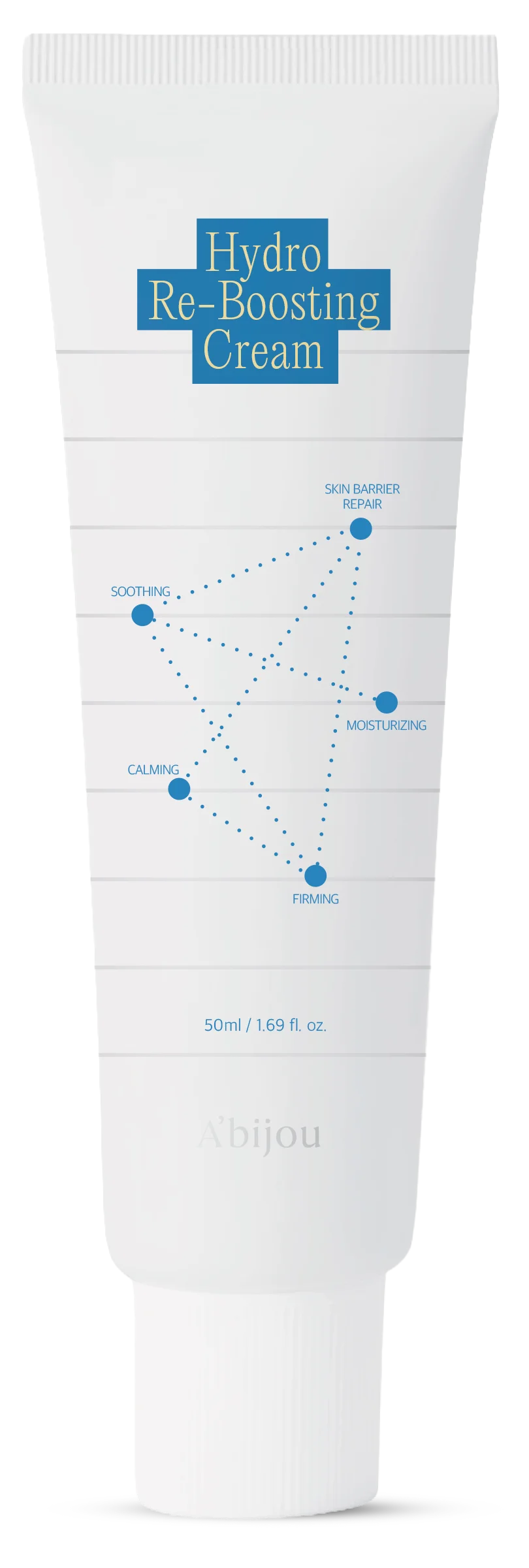 하이드로 리-부스팅 크림Buy
STEP 2 · 회복기 속보습
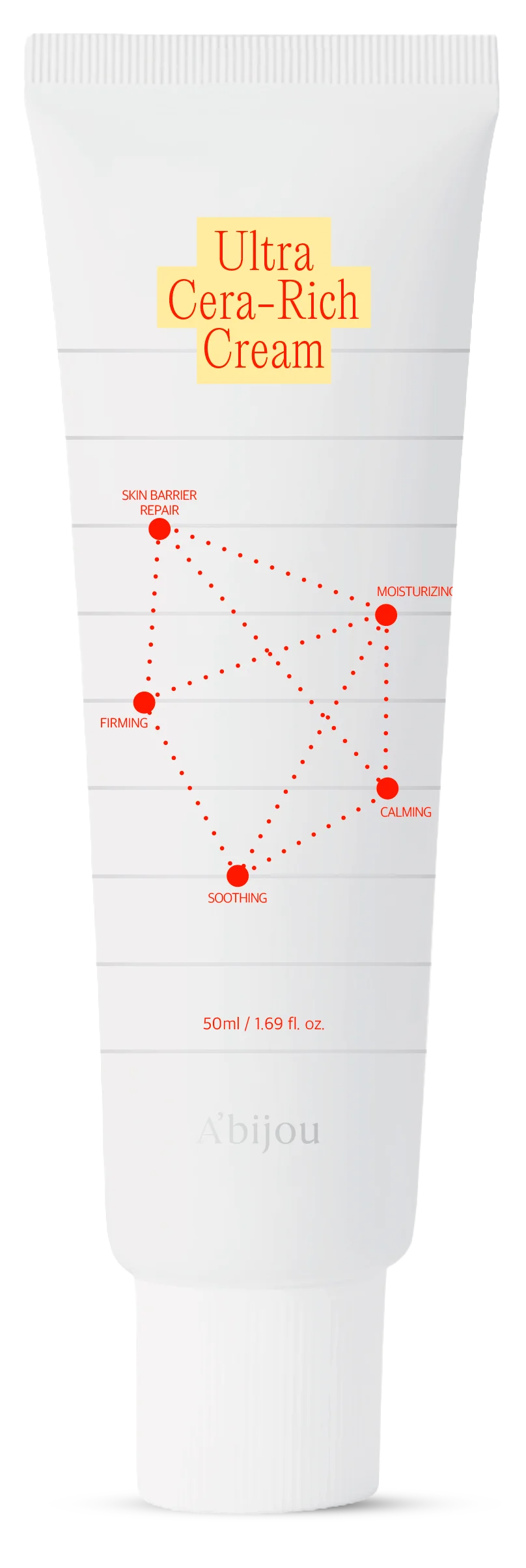 울트라 세라-리치 크림Buy
STEP 1 · 시술 직후 진정·장벽 케어