
Thermage vs. Oligio: What's the Difference? Comparing Principles and Recovery
Thermage and Oligio are both non-ablative procedures that use radiofrequency (RF) energy aimed at improving skin elasticity, sharing the common feature of delivering thermal energy to the dermal layer. However, there are differences in the detailed mechanisms, such as the energy delivery method and depth of penetration, so choosing the option suited to one's skin condition and goals should be determined through consultation with a specialist.
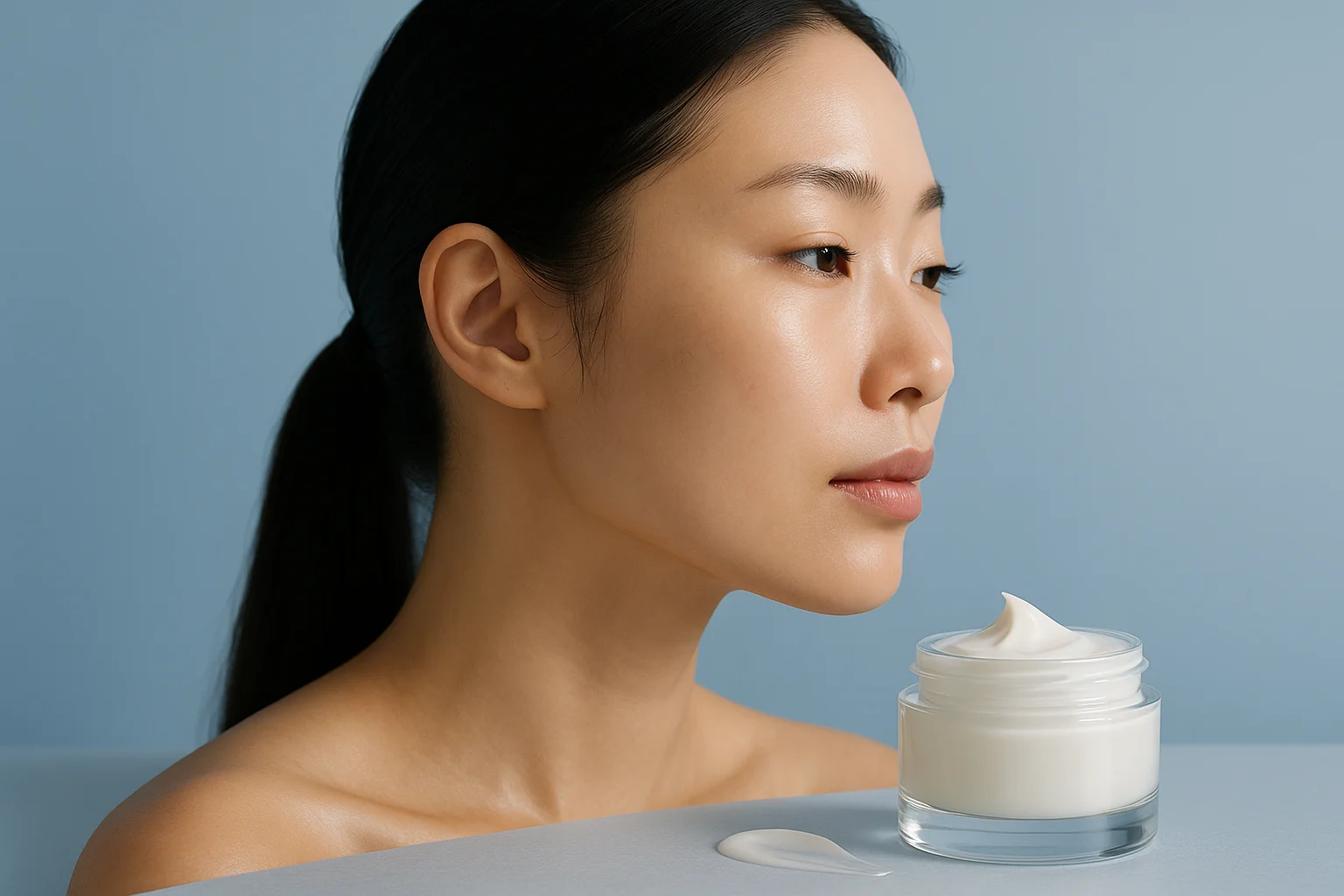
When researching elasticity care, you'll often come across the names 'Thermage' and 'Oligio.' Both procedures share the common feature of being non-ablative methods that use radiofrequency (RF) energy to deliver heat to the deeper layers of the skin, but they differ in their energy delivery methods and characteristics.
This article provides a neutral comparison of the principles and characteristics of the two procedures based on information confirmed in public materials and industry publications, and also covers points to consider for home care during the recovery period after the procedure. The suitability and method of the procedure must always be determined through consultation with a specialist.
What is the principle behind Thermage?
Thermage is classified as a monopolar, capacitively coupled radiofrequency device. It is described as delivering high energy uniformly to the deep layers of the dermis while protecting the epidermis, with the aim of improving skin elasticity (tightening).
It is cross-confirmed across several industry sources that Thermage received FDA approval in 2002 for the non-invasive treatment of periorbital, facial, and body wrinkles and for skin tightening. Public clinical trial registry materials describe that RF energy is 'postulated' to stimulate collagen production in the lower dermis—it should be noted that this is a postulated mechanism, not a confirmed one.
Some clinic materials explain that thermal energy is concentrated at a skin depth of about 2mm, but since this information is only confirmed in relatively low-reliability sources, it should be understood as reference information only.
How does Oligio differ in its characteristics?
Oligio is also known as an elasticity care procedure that uses RF energy to deliver heat to the dermal layer. Like Thermage, it shares the common direction of aiming to deliver energy to the deep layers of the skin while minimizing damage to the epidermis.
However, the two devices are known to have detailed differences in energy delivery method, tip structure, and the sensation experienced during the procedure. The impact of these differences on actual results or perceived sensation may vary depending on individual skin condition, age, and treatment area, and there is limited evidence to conclusively state that one procedure is superior. The choice of procedure suited to you must be determined through direct consultation with a specialist.
What about results, progression, and downtime?
RF-based elasticity procedures are often designed to produce gradual changes over time rather than immediate results. Since the collagen remodeling process is believed to progress slowly, the timing and degree of perceived changes tend to vary greatly between individuals.
Both procedures are classified as non-ablative and are known to allow a relatively quick return to daily life, but temporary redness, warmth, and slight swelling may appear at the treatment site. The degree and duration of such reactions also vary by individual, so it's necessary to thoroughly discuss the expected course and precautions with your medical provider before the procedure.
Why is home care important during the post-procedure recovery period?
Immediately after an RF procedure, the skin barrier goes through a period of temporary sensitivity. During this time, avoiding irritating ingredients and focusing on soothing and hydrating home care may help support the skin's process of settling back down.
During the stage when redness or warmth remains right after the procedure, it's advisable to manage skin condition with low-irritation products focused on hydration and soothing. Afterward, as the skin gradually stabilizes during the recovery period, it's generally recommended to shift toward deep-hydration-focused care.
Post-Procedure Recovery Is Shaped by Home Care
During periods when the skin is sensitive, such as right after a procedure, it may help to minimize irritation while focusing on soothing and barrier care. ABJU Cream is designed with this recovery process in mind, structured as a 2-step regimen: for the immediate post-procedure stage, STEP1 Ultra Cera-Rich is formulated to help soothe redness and support barrier care, while for the recovery stage as the skin gradually stabilizes, STEP2 Hydro Re-Boosting is designed to continue deep-hydration care. However, cosmetics do not replace the procedure itself, and whether and when to use them should primarily follow the guidance of the medical provider who performed the procedure.
FAQ
- Which is more effective, Thermage or Oligio?
- Both procedures use RF energy to deliver heat to the dermal layer with the aim of improving skin elasticity, but they differ in aspects such as energy delivery method. Which one is more suitable depends on skin condition, goals, and individual differences, so it's difficult to conclude that one procedure is superior; this should be determined through consultation with a specialist.
- How long is the downtime after the procedure?
- Both procedures are classified as non-ablative and are known to allow relatively quick return to daily life, but temporary redness, warmth, or slight swelling may occur. The duration and degree vary by individual, so it's advisable to check the expected course with your medical provider before the procedure.
- When can I start noticing results?
- Since the collagen remodeling process is believed to occur gradually, the timing and degree of perceived results can vary significantly from person to person. It's difficult to specify a definitive timeframe, and it's necessary to monitor progress while taking individual differences into account.
- What products should I use after the procedure?
- Immediately after the procedure, it may help to use low-irritation products focused on soothing and hydration, and it's generally recommended to shift care from soothing-focused to deep-hydration-focused as recovery progresses. However, the specific timing and method of product use should primarily follow the guidance of the medical provider who performed the procedure.
Medically reviewed by 아비쥬의원 의료진. (September 10, 2026)