
Tranexamic Acid Precautions: Be Sure to Check Before Use
Tranexamic acid is a widely known and safe ingredient, but depending on high concentration use, combination with other active ingredients, or sensitive skin conditions, you may experience dryness or irritation. Testing with a small amount first to check your skin's reaction and combining it with moisturizing and soothing care is key to safe use.
To state the conclusion first, tranexamic acid is a highly safe ingredient widely used even in dermatology clinics, but depending on the method of use, concentration, and skin condition, some people may experience dryness or irritation, so caution is needed. In particular, if you have sensitive skin or use it together with other active ingredients (high-concentration vitamin C, retinol, etc.), it's a good idea to check for irritation reactions in advance. This article summarizes what to be careful of when using tranexamic acid, and home care methods that can help when your skin becomes sensitized.
- 1Early UseThose with sensitized skin may feel dryness or tightness
- 2After Several Weeks of UseA period requiring observation of individual differences in flaking or irritation
- 3Continued UseCheck whether to continue use while combining moisturizing and soothing care
What is Tranexamic Acid, and Why is 'Caution' Needed?
Tranexamic acid is an ingredient widely used in cosmetics for skin tone care purposes, and is often used as one of the functional raw materials registered with the Ministry of Food and Drug Safety. However, like all ingredients, when combined at high concentrations or used together with other irritating ingredients, it can put a burden on the skin barrier.
In particular, if used when the skin barrier is weakened after cleansing, or during a period when the stratum corneum has thinned, you may feel irritation or dryness more intensely than usual. This is often caused by the interaction between skin condition and usage method, rather than being a problem with the ingredient itself.
Changes That May Occur Depending on the Period of Use
When you first start using tranexamic acid, your skin may experience temporary dryness or tightness as it adapts to the ingredient. During this period, it is safer to start with a small amount and observe how your skin responds.
During weeks of continuous use, skin reactions can vary from person to person. Some people continue using it without any particular discomfort, while those with sensitive skin may continue to experience flaking or irritation, making it necessary to reconsider whether to keep using it.
In the stage of ongoing use, combining moisturizing and soothing care can help maintain healthy skin condition.
Home Care Principles to Follow When Using Tranexamic Acid
First, when using it for the first time, it is advisable to apply it to a small area rather than the entire face to check for any reaction.
Second, avoid using high-concentration active ingredients (such as retinol or high-concentration vitamin C) together with tranexamic acid at the same time; alternating them on different days can help reduce irritation.
Third, if dryness or tightness is felt during use, sufficient moisturizing care should be combined. In particular, ingredients with a composition similar to skin lipids, such as ceramides and panthenol, can help with barrier care.
Fourth, if stinging or redness persists, it is safer to stop use immediately and consult a dermatologist.
Post-Procedure Recovery Depends on Home Care
When using active ingredients like tranexamic acid, combining moisturizing and soothing care to prevent the skin barrier from becoming sensitive can be helpful. During sensitive periods such as right after a procedure, you can prioritize redness and barrier care with 'Ultra Cera-Rich Cream,' and then continue with deep hydration and skin texture care using 'Hydro Re-Boosting Cream' during the recovery period, following this 2-STEP routine.
화학적 자극으로 붉어진 피부 진정에 도움. 개인차가 있을 수 있습니다.
출처 P&K 피부임상연구센타 시험성적서 (PNK-26223-RI1R)
자극 후 건조함 케어에 도움. 개인차가 있을 수 있습니다.
출처 P&K 피부임상연구센타 시험성적서 (PNK-26223-RI1R)
물리적 자극으로 붉어진 피부의 붉은기 진정에 도움. 개인차가 있을 수 있습니다.
출처 P&K 피부임상연구센타 시험성적서 (PNK-26224-RI2R)
FAQ
- Can tranexamic acid be used on any skin type?
- Tranexamic acid is used as an ingredient registered as a specific functional raw material, but if you have sensitive skin or use it with other irritating products, you may feel dryness or irritation. If you're using it for the first time, it's safer to test with a small amount first before expanding the area of use.
- What should I do if I feel stinging or dryness while using tranexamic acid?
- If you feel stinging or tightness, it's best to reduce the frequency of use and prioritize moisturizing and soothing care. If symptoms persist, discontinue use and consult a specialist.
- Can I use tranexamic acid together with retinol or vitamin C?
- Layering multiple high-concentration active ingredients can increase the burden of skin irritation. It's advisable to start by alternating usage days, or to use low-irritation moisturizing products for barrier care while monitoring your skin condition.
- Is it normal to experience flaking after using tranexamic acid?
- Depending on the characteristics of the ingredient itself or your skin condition, you may temporarily feel flaking or dryness. In such cases, it can help to combine sufficient moisturizing care while observing changes in your skin condition.
Related products
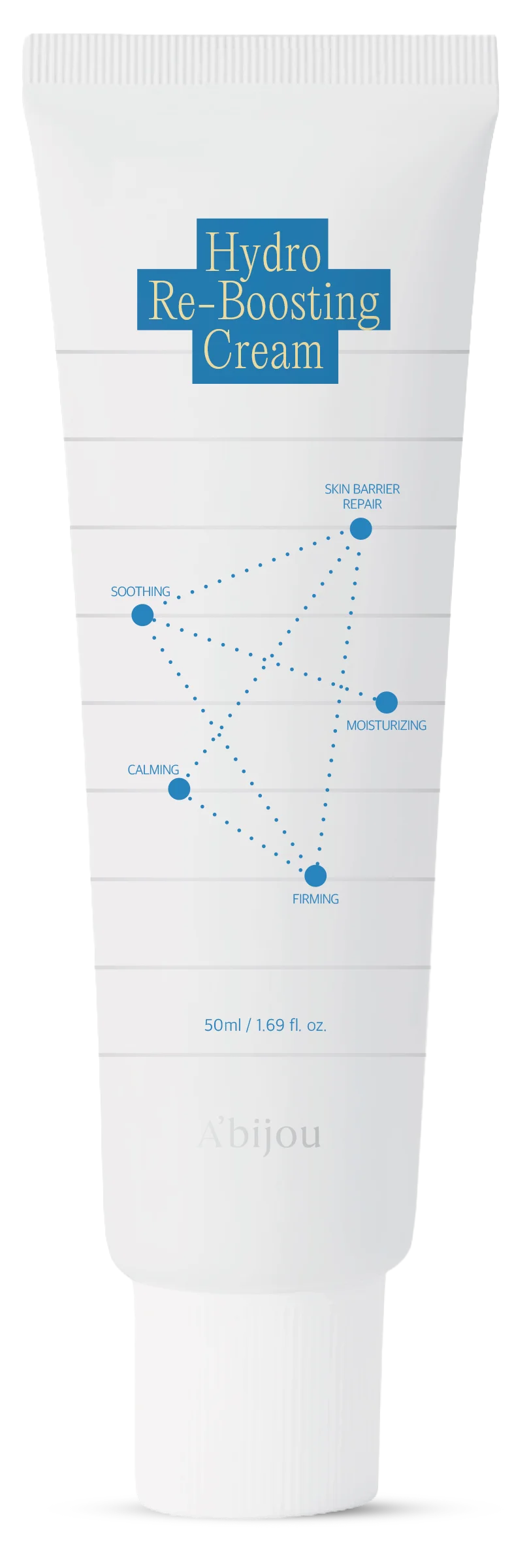 하이드로 리-부스팅 크림Buy
STEP 2 · 회복기 속보습
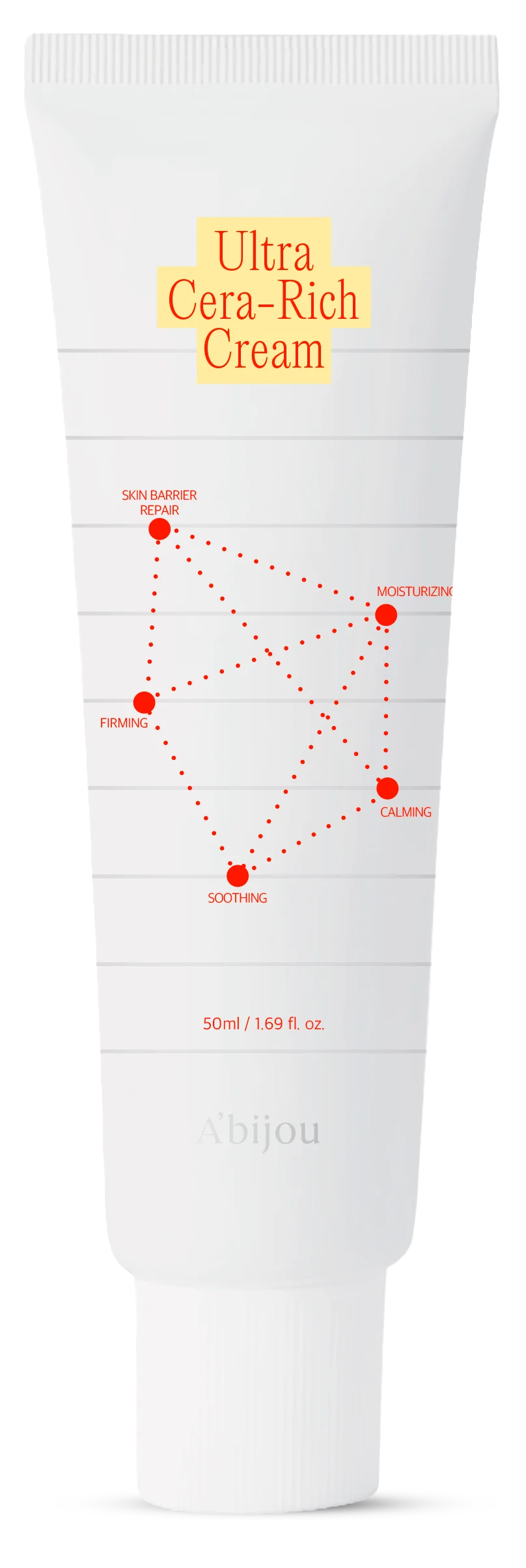 울트라 세라-리치 크림Buy
STEP 1 · 시술 직후 진정·장벽 케어