
Tranexamic Acid: What Is It and Why Is It Used?
Tranexamic acid was originally developed as a hemostatic agent, but when applied to the skin, it is used as an ingredient in whitening functional cosmetics by regulating signaling related to pigmentation. It is often used alongside procedures (lasers, skin boosters, etc.) or as a standalone skincare product. Since the skin barrier is sensitive right after a procedure, it is generally recommended to focus on soothing and moisturizing care first rather than applying tranexamic acid products immediately.
Tranexamic acid is a type of amino acid that has long been used in the pharmaceutical field for hemostatic purposes. When used as a cosmetic ingredient applied to the skin, it is known to be involved in the intercellular signaling pathways related to melanin production, and it is registered as one of the key ingredients in whitening functional cosmetics.
However, this does not mean that tranexamic acid 'treats' the skin or 'removes' pigmentation. It is more accurate to understand it as an ingredient that can help with skin tone care within the scope registered as a functional cosmetic.
How does tranexamic acid work on the skin?
When skin is exposed to UV rays, friction, or inflammatory stimuli, melanocytes become activated, leading to a process of pigmentation. Tranexamic acid is known to be involved in this process by regulating the action of signaling substances that stimulate melanocytes.
After laser procedures or skin booster treatments, there can be a period when pigmentation temporarily stands out more due to minor stimulation of the skin, and cosmetics containing tranexamic acid are often mentioned for tone management during this period.
How does it differ by stage after a procedure?
For the first 1 to 3 days right after a procedure, the skin barrier is temporarily weakened, and redness and warmth may remain. During this period, it is generally recommended to prioritize soothing and barrier care over ingredients with strong functional effects like tranexamic acid.
From day 4 onward, once redness and sensitivity have settled somewhat, the skin moves into a recovery phase where you can start rebuilding its condition. During this period, it's advisable to focus on deep hydration and skin texture care, while gradually adding tone-care ingredients as needed.
In other words, while it's important to understand the principle behind tranexamic acid itself, the core of home care is first assessing 'whether now is the right time to introduce this ingredient' based on the skin's condition after a procedure.
Try dividing your home care into stages like this
Stage 1 (immediately after procedure to day 3): This is a period for soothing skin that has become sensitive to irritation. It's best to apply a generous layer of cream formulated with barrier- and soothing-focused ingredients like ceramides, panthenol, and allantoin, treating the skin as if protecting it.
Stage 2 (from day 4 onward): As redness subsides, this is when tightness and dryness become more noticeable. At this point, focusing on deep hydration and texture care while starting to incorporate products containing tone-care ingredients such as tranexamic acid is often manageable.
It's also worth remembering that in both stages, avoiding strong friction or exfoliation and consistently applying sun protection are the basics of managing pigmentation.
For post-procedure home care, stage-appropriate creams can help
ZXQMAGAZINETERM AbGeu Cream ZXQ is a recovery solution divided into two stages that align with this flow of post-procedure skin changes. The approach is to use 'Ultra Cera-Rich Cream,' containing a complex of 5 types of ceramides and panthenol, for sensitive skin right after a procedure, followed by 'Hydro Re-Boosting Cream' once redness has subsided and tightness begins.
Ultra Cera-Rich has been confirmed through human application testing to help soothe redness and support barrier care against physical irritation, friction, and heat stimulation respectively, while Hydro Re-Boosting has been shown, over 2 weeks of use following chemical irritation, to help restore redness, barrier function, hydration, and overall skin texture. Both products were determined to be non-irritating in primary irritation testing, offering a design that reduces burden even during sensitive periods.
Post-procedure recovery depends on home care
Right after a procedure, soothing and barrier care come first, and it's a manageable sequence to naturally add tone-care ingredients in the next stage. The 2-STEP composition of ZXQMAGAZINETERM AbGeu Cream ZXQ (Ultra Cera-Rich → Hydro Re-Boosting) is designed to be used in stages that align with this recovery flow.
물리적 자극으로 붉어진 피부의 붉은기가 자극 전 수준으로 회복되는 데 도움. 개인차가 있을 수 있습니다.
출처 P&K 피부임상연구센타 시험성적서 (PNK-26224-RI2R)
물리적 자극으로 손상된 장벽이 손상 전 수준으로 회복되는 데 도움. 개인차가 있을 수 있습니다.
출처 P&K 피부임상연구센타 시험성적서 (PNK-26224-RI2R)
화학적 자극으로 붉어진 피부가 자극 전 수준으로 회복되는 데 도움. 개인차가 있을 수 있습니다.
출처 P&K 피부임상연구센타 시험성적서 (PNK-26223-RI1R)
거칠어진 피부결이 자극 전 수준으로 정돈되는 데 도움. 개인차가 있을 수 있습니다.
출처 P&K 피부임상연구센타 시험성적서 (PNK-26223-RI1R)
FAQ
- Can I apply tranexamic acid right after a procedure?
- Since the skin barrier is sensitive right after a procedure, it is generally recommended to prioritize soothing and barrier care over functional ingredients. It is advisable to gradually incorporate tone-care ingredients once redness and irritation have subsided.
- Can tranexamic acid and vitamin C be used together?
- These two ingredients are known to work through different pathways and are often used together, but during sensitive periods, it is safer to apply them sequentially while monitoring for irritation.
- What products list tranexamic acid as an ingredient?
- You can check the full ingredient list and the labeled functional ingredient section of products registered as whitening functional cosmetics.
- If I'm worried about pigmentation after a procedure, when should I start managing it?
- Right after a procedure, it's helpful to focus on soothing and barrier care, and from around day 4 onward, as redness subsides, gradually move into texture and tone care while also making sure to apply sun protection.
Related products
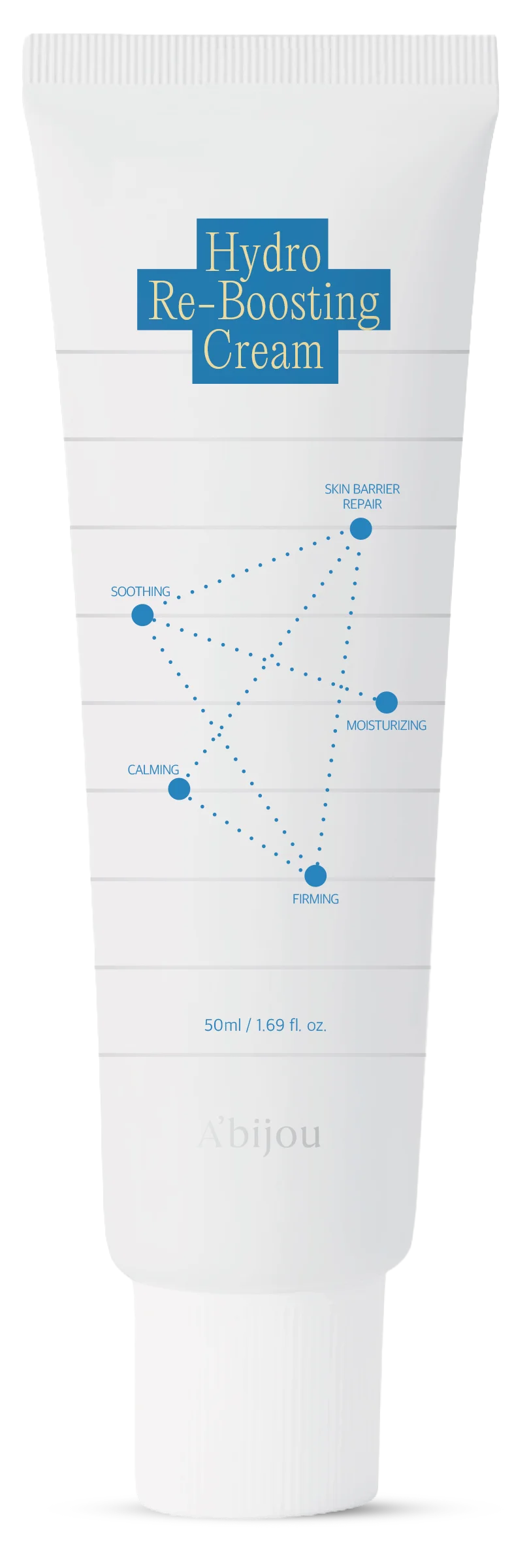 하이드로 리-부스팅 크림Buy
STEP 2 · 회복기 속보습
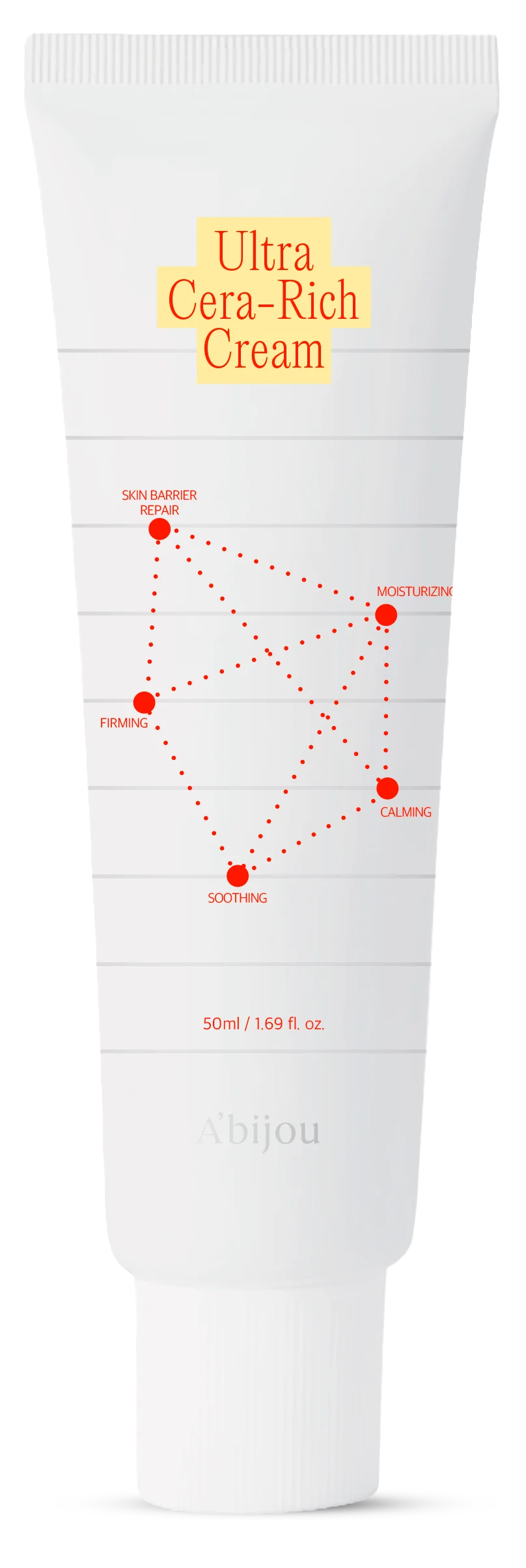 울트라 세라-리치 크림Buy
STEP 1 · 시술 직후 진정·장벽 케어