
Ulthera vs Thermage: What's the Difference? A Complete Comparison of Ultrasound and RF Lifting
Ulthera uses ultrasound (HIFU) energy to deliver heat to deep layers of the skin, while Thermage uses radiofrequency (RF) energy to deliver heat evenly from the skin's surface down to the dermis—so the two approaches are fundamentally different. Both are classified as lifting treatments that stimulate collagen remodeling to help support skin elasticity, but they differ in energy delivery depth, method, sensation during treatment, and recovery pattern, so the right choice can vary depending on skin condition and area of concern. Regardless of which treatment you choose, caring for the skin barrier in the days following the procedure is an important factor in maintaining results.
Ulthera and Thermage differ starting with how they deliver energy
Ulthera is a device that uses ultrasound (HIFU, High-Intensity Focused Ultrasound) energy, focusing it at a specific depth to deliver heat in a point-like manner. The ultrasound is known to reach deep skin layers near the SMAS (fascial layer), stimulating collagen remodeling.
Thermage uses radiofrequency (RF) energy to deliver heat broadly and evenly across the skin, from the surface down through the dermis. Because heat spreads across the entire area the tip contacts, Thermage treatments tend to feel more like a broad, surface-level application compared to Ulthera.
Simply put, Ulthera focuses 'deep and narrow,' while Thermage spreads 'broad and even.' Because of this, Ulthera is often mentioned more for areas with noticeable sagging or contour lines, while Thermage is often mentioned more for overall skin elasticity and texture care—though actual application can vary depending on skin condition and the practitioner's judgment.
What happens in the days following treatment
Immediately after treatment through day 1, both procedures may cause redness, slight swelling, and a sense of heightened skin sensitivity due to heat stimulation. During this period, the skin barrier is temporarily weakened, making it more prone to reacting sensitively to irritation than usual.
By days 2–3, redness typically begins to subside gradually, though many people experience a tight or dry feeling in the skin. Since Thermage delivers heat all the way to the surface layer, some people notice more surface dryness during this period.
From day 4 onward, redness and swelling generally decrease noticeably as the skin enters a stabilizing phase. That said, changes in elasticity from collagen remodeling are known to appear gradually over a much longer period, so it's best to understand the early redness/dryness management and the long-term results as separate matters.
Step-by-step at-home care after treatment
In the first 1–3 days after treatment, it's best to avoid irritating ingredients (high-concentration acids, scrubs, etc.) and cleanse gently with minimal friction using lukewarm water. During this period, the key is to use formulas focused on soothing and barrier care to help the skin find its own stability.
Sun protection is especially important as part of aftercare. Since heat-stimulated skin can also be sensitive to pigmentation changes, it's important to reapply sunscreen carefully whenever going outside.
From around day 4 onward, once redness and sensitivity have subsided to some degree, it's a good idea to gradually shift toward deep hydration and skin-conditioning care. As the skin returns to its normal condition during this period, gradually increasing the richness of moisturizing care can be helpful.
Aftercare determines recovery following treatment
Regardless of the specific method, heat-based lifting treatments like Ulthera and Thermage commonly involve a period where the skin barrier becomes sensitive immediately afterward. Because of this, how well the skin is cared for afterward—rather than which device was chosen—can influence how well results are maintained. Abiju Cream's Ultra Cera-Rich Cream is a STEP1 product designed for soothing and barrier care in the first 1–3 days after treatment, formulated with a lipid-like composition including 5 types of ceramides to help support barrier care for sensitized skin.
손상 전 수준으로 회복되는 데 도움
출처 P&K 피부임상연구센타 인체적용시험, 성인여성 21명, 개인차가 있을 수 있습니다
손상 전 수준으로 회복되는 데 도움
출처 P&K 피부임상연구센타 인체적용시험, 성인여성 21명, 개인차가 있을 수 있습니다
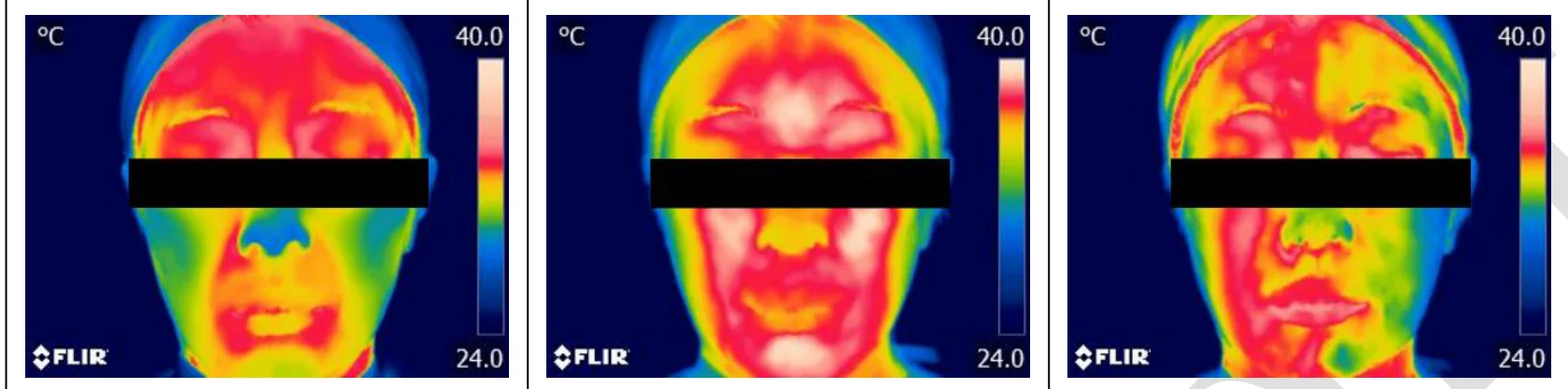
열 자극 붉은기 진정 (온도 기준)개선율 91.3%
울트라 세라-리치(임상명 세라-비쥬)의 적외선(열) 자극 전·후·사용 직후 시기별 열화상. 효과·체감에는 개인차가 있습니다.
※ P&K 피부임상연구센타 인체적용시험 · P&K, 성인여성 21명, 적외선(열) 자극, 무도포 대비 시험제품, 1회 사용 직후 · 개인차가 있을 수 있습니다. (보고서 PNK-26224-RI2R)
FAQ
- What is the biggest difference between Ulthera and Thermage?
- The biggest difference lies in the type of energy and how it's delivered. Ulthera uses ultrasound (HIFU) to deliver heat to deep layers in a focused, point-like manner, while Thermage uses radiofrequency (RF) to deliver heat evenly across a broader area, from the surface down to the dermis. This difference affects both the treatment sensation and overall approach.
- How do the principles of ultrasound and RF lifting differ?
- Ultrasound works by focusing sound wave energy on a specific point to deliver heat to deep layers, while RF works by converting electrical energy into heat as it passes through the skin's resistance, spreading broadly from the surface. Because the depth and range the heat reaches differ, the choice may depend on the treatment goal.
- Which is more painful, Ulthera or Thermage?
- Pain levels vary significantly depending on individual pain sensitivity, the treatment area, and the energy intensity settings used. Generally, Ulthera is often described as causing a momentary sharp, pinpoint sensation from the focused deep-layer stimulation, while Thermage is often described as producing a broader surface warming sensation. However, individual differences are considerable, so it's best to confirm details through a consultation before treatment.
- Why is aftercare important following the treatment?
- Immediately after a lifting treatment, the skin barrier is temporarily weakened due to heat stimulation. Minimizing irritation during this period and focusing on soothing and barrier care can help support the skin's recovery process, so careful aftercare is recommended regardless of which treatment method is used.
Medically reviewed by 아비쥬의원 의료진. (September 10, 2026)
Related procedures
- 써마지
- 울쎄라(고강도 집속 초음파)