
Ultra Lifting Effects and Procedure Information: A Complete Guide from Principles to Recovery
Ultra lifting refers to a group of procedures that use dissolvable threads or High-Intensity Focused Ultrasound (HIFU) with the aim of addressing sagging skin lines and refining facial contours. Effects, duration, and recovery speed vary significantly by individual, and consultation with a specialist is essential before undergoing the procedure. This article covers the principles, progression, downtime, and post-procedure home care.
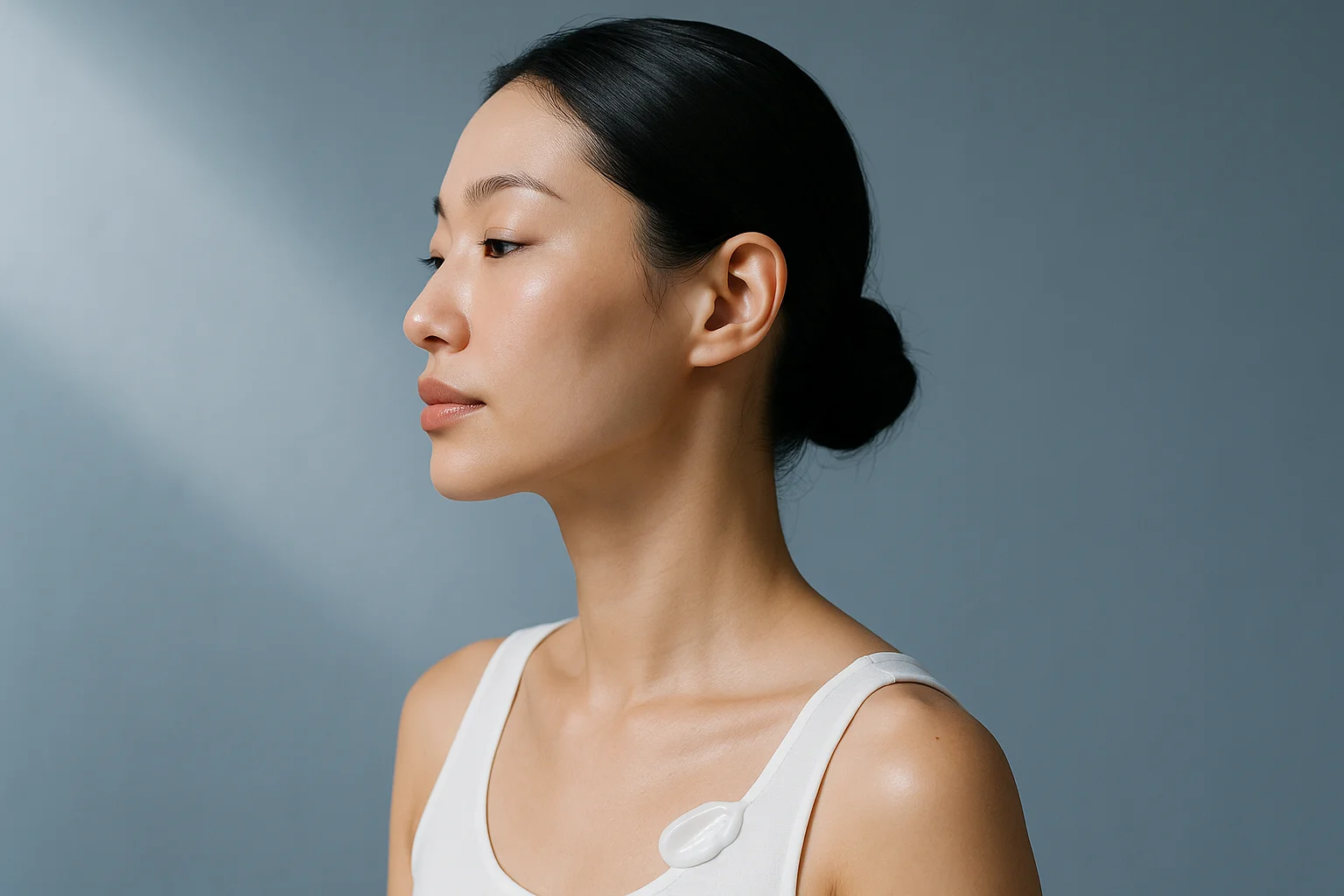
Procedures introduced under the name ultra lifting are known to generally refer not to a single specific device, but rather to thread lifting using dissolvable threads or HIFU (High-Intensity Focused Ultrasound)-based lifting collectively. Commonly, they aim to support sagging skin lines or induce tissue response to refine facial contours.
However, the underlying principle and recovery progression may differ depending on the method used (thread insertion or ultrasound energy), so it is advisable to confirm the exact method and its suitability for you through consultation.
The Principle Behind Ultra Lifting
The thread lifting version of ultra lifting is known to work by inserting dissolvable threads into the skin layer to physically support sagging areas, while inducing a response in the surrounding tissue as the threads are absorbed.
Meanwhile, the HIFU (High-Intensity Focused Ultrasound) method is explained as working by concentrating ultrasound energy onto a single focal point. The temperature at the focal point is reported to rise to approximately 60–80°C, and this process is known to cause a thermal coagulation response in the tissue, leading to temporary tissue contraction. As the body responds to this damage with a healing process, tissue response is understood to be induced in a direction that leads to the reformation and generation of collagen and elastin. This is more accurately described as the body's natural healing process following damage, rather than as 'reformation.'
The SMAS (superficial musculoaponeurotic system), which is the layer primarily targeted by HIFU-based procedures, is described as fibrous tissue located beneath the subcutaneous fat layer, and as it loosens with aging, it is explained as one cause of sagging and wrinkles.
Effects of Ultra Lifting
Ultra lifting is known to aim at contributing to changes such as the following. However, the degree of effect and how it is felt may vary depending on individual skin condition, age, and the specific procedure method.
In terms of elasticity, it aims to help support sagging lines, and in terms of contour, it aims to help refine facial contours. In terms of texture, it is explained as aiming to help manage skin texture, and in terms of firmness, it aims to help maintain a firmer appearance.
For HIFU-based methods, some accounts mention that changes resulting from collagen and elastin reformation appear after a certain point following the procedure, but this is based on individual reviews and is not a medically confirmed figure; the timing and degree of such changes also vary by individual.
Procedure Process and Duration
The general procedure order is known to be: consultation and lifting design, surface or local anesthesia, insertion of dissolvable threads or energy application, final touch-up and post-procedure guidance, and return to daily activities.
The procedure time is generally guided to take about 30 to 60 minutes depending on the area, and local anesthesia is used during the procedure to manage pain. Post-procedure pain tends to be mild, though this also varies by individual.
Timing of Effects, Duration, and Downtime
Some tightness or a lifting sensation may be felt immediately after the procedure, but changes resulting from tissue response are known to appear gradually over time. The duration of effects is generally mentioned as around 1 to 2 years, but this can vary greatly depending on the type of thread, treated area, and individual skin condition, making it difficult to state a definitive figure.
In terms of downtime, swelling or bruising may last from a few days to about 2 weeks, according to guidance. Return to daily activities is generally possible starting the same day, though recovery speed and degree vary by individual.
Ultra Lifting vs. Cog Lifting vs. MINT Lifting
Within the thread lifting category, there are distinctions based on the type of thread used. Ultra lifting is described as thread lifting using dissolvable threads with a focus on refining lines, cog lifting uses threads with barbs to support sagging areas, and MINT lifting is distinguished by its use of an absorbable thread called MINT thread to support sagging.
All three methods aim to improve sagging, but differ in the structure and mechanism of the threads used, meaning the suitable method may vary depending on individual skin condition and desired outcome. It is recommended to determine which method is right for you through consultation with a specialist.
Post-Procedure Recovery and Home Care
With both thread insertion and energy-based methods, the treated skin area may become temporarily sensitive, and swelling, bruising, or a feeling of tightness may occur. During this period, avoiding sun exposure and reducing friction or pressure on the area may help with recovery.
In the early recovery period, the skin barrier may be temporarily weakened, so managing skin condition with soothing and moisturizing care centered on low-irritant ingredients may be helpful. Afterward, during the recovery phase as swelling subsides, incorporating deep moisturizing care may also help.
However, the products and timing that can be used may vary depending on the condition of the treated area, so it is important to follow the guidance of your medical provider first.
Post-Procedure Recovery Is Determined by Home Care
During the period right after the procedure when skin is sensitive, using products with low irritation that focus on soothing and barrier care may be helpful. The Aviju cream comes in a 2-STEP formula: for skin that is sensitive right after the procedure, STEP1 Ultra Cera-Rich can help with soothing and barrier care, and during the recovery phase as swelling subsides, STEP2 Hydro Re-Boosting can be used to continue deep moisturizing care. However, the actual timing of use and product suitability may vary depending on the condition of the treated area and the guidance of your medical provider.
FAQ
- What kind of procedure is ultra lifting?
- It is known as a general term for a group of procedures that either insert dissolvable threads into the skin layer to support sagging areas, or use High-Intensity Focused Ultrasound (HIFU) energy to induce tissue response, with the aim of addressing sagging lines and refining facial contours.
- When do the effects of ultra lifting start to appear?
- Some tightness or a lifting sensation may be felt immediately after the procedure, but changes resulting from tissue response tend to appear gradually over time. The timing and degree of these effects vary by individual.
- How long do the effects of ultra lifting last?
- Effects are generally mentioned as lasting around 1 to 2 years, but this can vary greatly depending on the type of thread used, the treated area, and individual skin condition, making it difficult to state a definitive figure.
- Is there downtime with ultra lifting?
- Swelling or bruising may last from a few days to about 2 weeks, with the degree and duration of recovery varying by individual. Returning to daily activities is generally possible starting the same day.
- How often should ultra lifting be received?
- The recommended interval is generally mentioned as around 1 to 2 years, but this depends on individual skin condition and the specific procedure method, so it should be determined through consultation with a specialist.
Medically reviewed by 아비쥬의원 의료진. (September 10, 2026)