
How to Care for Under-Eye Wrinkles with Ingredients — A Guide to Skin Texture and Elasticity Care
Under-eye wrinkles tend to stand out because the skin around the eyes is thin and its oil-water balance is easily disrupted, leading to combined dryness and reduced elasticity. Consistent use of ingredients like niacinamide, adenosine, ceramides, and panthenol can help with texture refinement and elasticity and moisture care. Just as important as the ingredients themselves is a consistent moisturizing routine, and considering it alongside before-and-after procedure home care can broaden your approach to management.
Once under-eye wrinkles start to bother you, the first thing you tend to search for is 'which ingredients will help.' To cut to the conclusion, the eye area is the thinnest part of the face with the fewest sebaceous glands, which means it loses moisture quickly and tends to develop texture lines easily even with small facial movements. That's why a more realistic approach to under-eye wrinkle care is addressing moisture, elasticity, and texture together, rather than relying on a single ingredient.
- 11-2 weeksReduced tightness, noticeable moisture
- 22-4 weeksNoticeable improvement in skin texture
- 34+ weeksCumulative elasticity, noticeable change in appearance
Why are under-eye wrinkles so prone to forming?
The skin around the eyes is thinner than other areas and has relatively less of the supportive tissue, such as collagen and elastin, that maintains elasticity. On top of that, lower oil production means a weaker ability to retain moisture, so even minor dryness can often make fine lines appear more pronounced.
On top of this, factors such as facial expressions (blinking, frowning), UV exposure, lack of sleep, and increased use of digital devices add up, making the skin texture feel rougher and less elastic. In other words, under-eye wrinkles are not caused by a single factor but are a complex result of overlapping 'thin structure + dryness + repeated stimulation.'
Progress Over Time — Differences With and Without Care
Since the eye area skin reacts quickly, the effects of care tend to be noticeable relatively early. However, it should first be noted that individual differences are significant, and the ingredients themselves do not mean immediate wrinkle removal.
In the early stage (1–2 weeks) of starting moisturizing and elasticity care, many people notice reduced tightness and a smoother-feeling texture. This change occurs as the skin's surface moisture condition improves, and should be understood as a stage of overall skin condition stabilization rather than a visible change in the wrinkles themselves.
From around 4 weeks of consistent care onward, many people feel that the skin texture becomes more refined and, as elasticity builds up, the overall impression of the eye area becomes noticeably softer. However, since ingredient-based care is a cumulative process, stopping it can lead to a return of dryness and texture decline, making consistency key.
Ingredients Frequently Mentioned for Under-Eye Wrinkle Care
Niacinamide is widely used as an ingredient that helps refine skin texture and tone. Consistent use on an eye area with a rough-looking texture can be expected to create a smoother impression.
Adenosine is an ingredient that helps with elasticity care, often considered together when sagging or reduced elasticity is a concern.
Ceramide has a composition similar to the skin's own lipids and helps support the barrier to reduce moisture loss. In thin, sensitive areas like the eyes, when the barrier is compromised, dryness and fine lines tend to stand out together, which is why barrier-supporting ingredients are considered important.
Panthenol is a representative ingredient that helps with moisturizing and soothing, working alongside other ingredients to fill in the basic moisture film of the eye area.
Allantoin helps soothe and calm irritation, making it a well-regarded ingredient for use without irritation in areas like the eyes that are prone to becoming sensitive.
Step-by-Step Home Care Routine
Step 1, after cleansing, first lightly let the skin absorb moisture with a toner, creating a base that helps the next step absorb better.
Step 2, take a product formulated for the eye area or a cream containing moisturizing and elasticity ingredients onto your fingertip, let it warm slightly with your body heat, and gently pat it in without rubbing to help it absorb. Since the eye area is vulnerable to friction, it's important to use a light touch.
Step 3, at times during the day when dryness is felt (after using air conditioning or heating, or after prolonged screen exposure), it can also help to add extra moisture with a light mist or hydrating product.
Under-eye wrinkle care tends to show better results when the barrier and moisture condition of the skin overall, not just the eye area, are stable. Especially during periods when the skin becomes sensitive, such as after lifting procedures or skin booster treatments, it can help overall skin condition recovery to care for the barrier and moisture not only of the treated area but of the whole face, including the eye area.
Post-Procedure Recovery Is Determined by Home Care
Since the skin tends to become more sensitive and dry than usual after a procedure, barrier and moisture care for the entire face, including the eye area, is also necessary during this time. ABIJU Cream features a 2-STEP formula tailored to the post-procedure recovery process: for days 1 to 3 right after the procedure, the Ultra Cera-Rich Cream, containing a complex of 5 types of ceramides and panthenol, helps soothe redness and care for the skin barrier, while from day 4 of the recovery period onward, the Hydro Re-Boosting Cream, containing niacinamide and adenosine, helps continue deep moisturizing and skin texture and elasticity care.
화학적 자극으로 거칠어진 피부결이 손상 전 수준으로 회복되는 데 도움. 개인차가 있을 수 있습니다.
출처 P&K 피부임상연구센타 시험성적서 (PNK-26223-RI1R)
사용 24시간 후에도 보습 수치 유지에 도움. 개인차가 있을 수 있습니다.
출처 P&K 피부임상연구센타 시험성적서 (PNK-26223-RI1R)
물리적 자극으로 손상된 장벽이 손상 전 수준으로 회복되는 데 도움. 개인차가 있을 수 있습니다.
출처 P&K 피부임상연구센타 시험성적서 (PNK-26224-RI2R)
FAQ
- How long should I continue ingredient-based care for under-eye wrinkles to see results?
- Individual differences exist, but typically the first 1-2 weeks are when you notice improved moisture and texture, while changes in elasticity often become noticeable after 4 or more weeks of consistent use. Ingredient care tends to be a cumulative process, so stopping may lead to renewed dryness.
- Is it okay to apply ceramides or niacinamide around the eyes even though the skin there is thin?
- Ceramides have a composition similar to the skin's own lipids and help support the skin barrier, while niacinamide is an ingredient that helps with texture and tone care, and both are commonly used around the eyes. However, since the eye area is vulnerable to friction, it's best to gently pat the product in for absorption rather than rubbing.
- Can I use an eye-specific product together with a regular cream?
- Yes, you can. Using an eye-specific product for focused care while also applying a moisturizing and barrier-supporting cream for the whole face can help, since the skin around the eyes is also affected by the overall condition of the skin.
- Can I continue ingredient-based eye care after a lifting procedure?
- Right after a procedure, the skin can be more prone to redness and sensitivity, so it's best to focus on low-irritation, soothing and moisturizing products for the whole face, including the eye area. If you notice irritation from a particular ingredient, it's recommended to pause use and monitor your skin's condition.
Related products
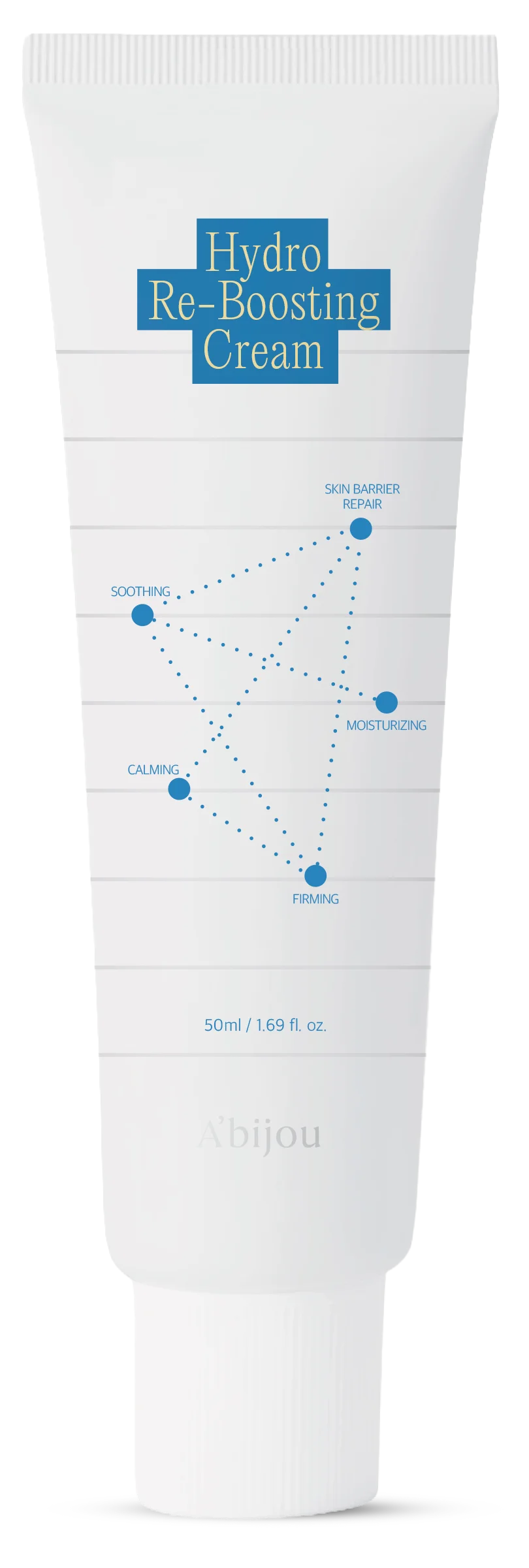 하이드로 리-부스팅 크림Buy
STEP 2 · 회복기 속보습
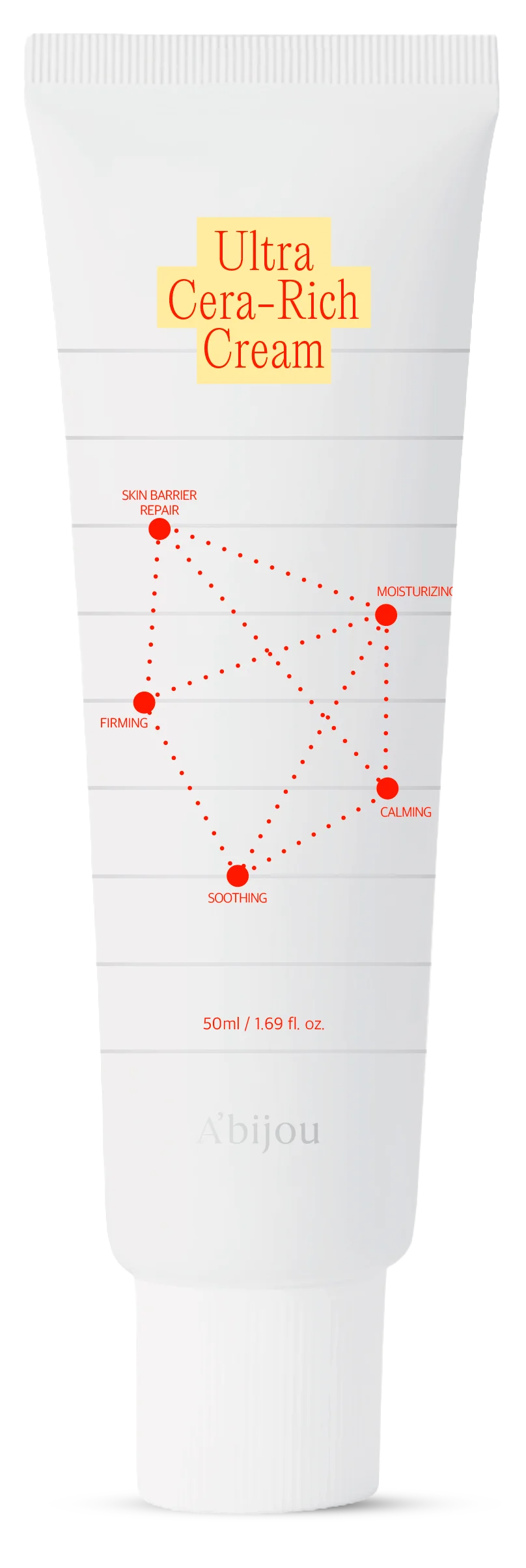 울트라 세라-리치 크림Buy
STEP 1 · 시술 직후 진정·장벽 케어