
Comparing Under-Eye Wrinkle Treatment Options: Which One Is Right for You?
Under-eye wrinkles can be approached with either lifting-type or skin booster-type treatments, depending on the cause (reduced elasticity, dryness, or use of eye-area muscles). Lifting-type treatments focus on elasticity care using heat energy, while skin booster-type treatments focus on hydration and skin texture care, so it helps to first identify your main concern before consulting. Whichever treatment you choose, the results can depend on how well you care for your skin in the days following the procedure.
The skin around the eyes is thin and has fewer sebaceous glands, making it prone to fine lines and sagging earlier than other areas. Once under-eye wrinkle concerns begin, people often start researching which treatment might be suitable, but with so many options introduced on the market, it can be confusing to understand how each one works.
This article categorizes commonly discussed under-eye wrinkle treatments by their approach, and also summarizes the common recovery process after treatment along with stage-by-stage at-home care.
- 11-3 days right after the procedureHeat sensation and redness, soothing-focused care
- 2Day 4 through recovery periodTightness and dryness, shift to hydration-focused care
- 3Around 2 weeksSkin texture and tone refinement, return to regular routine
Why Do Under-Eye Wrinkles Form?
Under-eye wrinkles generally fall into two types. One is 'dynamic wrinkles,' which appear only when making expressions and gradually become fixed, related to repeated movement of the eye-area muscles. The other is 'static wrinkles,' which form regardless of expression due to decreased skin elasticity and reduced collagen and elastin in the dermis.
In addition, when moisture within the skin is lacking, fine lines often appear more pronounced. In other words, when considering how to address under-eye wrinkles, figuring out whether 'elasticity' or 'hydration and skin texture' is the bigger cause is the starting point for choosing a treatment.
Comparing Treatment Options by Approach
Lifting/thermal energy-based procedures are designed to deliver heat to the deep layers of the skin to help care for elasticity. The treatment area or energy depth varies depending on the equipment and consultation, so the depth and intensity suitable for you must be determined through consultation with a specialist.
Skin booster-based procedures focus on filling the skin with hydrating ingredients to improve skin texture and moisture. They are often considered for areas like the eye area, which tend to be thin and prone to dryness, with the aim of reducing fine lines.
Since these two approaches differ in their mechanism and the kind of change they aim for, explaining specifically during consultation whether your concern is 'elasticity' or 'dryness and fine lines' can help you be guided to a more suitable option. Rather than sticking to just one procedure, combining treatments may also be considered, so it is recommended to consult thoroughly with a specialist about this as well.
Understanding Post-Procedure Progress by Stage
Regardless of which type of procedure is performed, the skin remains more sensitive than usual for several days right after the treatment. During days 1 to 3, you may feel heat, redness, or some tightness, and during this time, care should focus on minimizing irritation and soothing the skin.
From day 4 onward, noticeable redness subsides, but the skin often still feels dry and tight underneath. Switching to care that provides deep hydration during this period can help restore skin texture. Since progress varies depending on the type of procedure and individual skin condition, it is safer to consult the clinic where you received the treatment if unusual symptoms persist.
Step-by-Step Home Care: How to Manage It
The most basic rule for days 1 to 3 right after the procedure is not to rub or scrub the eye area. When cleansing, it is best to use lukewarm water gently and continue with low-irritation, soothing-focused products.
From day 4 onward, switch to moisture-focused care to address the remaining internal dryness left behind as redness fades. If you miss this period, your skin texture may feel rough or fine lines may become more noticeable again, so it's important to develop the habit of managing care in stages.
In the end, what matters as much as the procedure itself is skincare tailored to the skin's post-procedure condition. Using products suited to the irritation stage and the recovery stage separately can help maintain overall skin condition.
2-STEP Post-Procedure Home Care: Abiju Cream
Abiju Cream is a recovery solution composed of two products, based on the idea that the skin's condition differs between the immediate post-procedure period and the recovery period. Right after lifting/thermal energy-based procedures, the 'Ultra Cera-Rich Cream (STEP1)' focuses on soothing redness and heat and caring for the skin barrier, while from day 4 onward during the recovery period, the 'Hydro Re-Boosting Cream (STEP2)' continues with deep hydration and skin texture care.
Since care that fills the skin with moisture is also important after skin booster-based procedures, Hydro Re-Boosting Cream can also be considered as part of the home care routine. Both products are formulated based on a complex of 5 types of ceramides and skin-friendly ingredients such as panthenol.
Post-Procedure Recovery Is Determined by Home Care
Whether it's a lifting-type or skin booster-type procedure, developing a habit of gradually caring for soothing and hydration according to the time right after the procedure and the recovery period is important for maintaining the condition of the under-eye skin. The 2-STEP formulation of A.B.Zoo Cream is characterized by dividing the order of use according to these phase-specific skin changes.
물리적 자극으로 붉어진 피부가 손상 전 수준으로 회복되는 데 도움. 개인차가 있을 수 있습니다.
출처 P&K 피부임상연구센타 시험성적서 (PNK-26224-RI2R)
손상된 장벽이 손상 전 수준으로 회복되는 데 도움. 개인차가 있을 수 있습니다.
출처 P&K 피부임상연구센타 시험성적서 (PNK-26224-RI2R)
사용 24시간 후에도 보습 수치 유지에 도움. 개인차가 있을 수 있습니다.
출처 P&K 피부임상연구센타 시험성적서 (PNK-26223-RI1R)
거칠어진 피부결이 손상 전 수준으로 회복되는 데 도움. 개인차가 있을 수 있습니다.
출처 P&K 피부임상연구센타 시험성적서 (PNK-26223-RI1R)
FAQ
- Which is better for under-eye wrinkles, lifting treatments or skin boosters?
- If reduced elasticity is the main cause, lifting or heat-energy-based treatments are often considered first; if dryness and fine lines are the main concern, skin booster-based treatments are often preferred. However, the appropriate method varies depending on individual skin condition and severity, so it is safest to decide through consultation with a specialist.
- How long does it take for the under-eye area to settle down after the procedure?
- Generally, heat sensation and redness are most noticeable during the initial 1 to 3 days, gradually subsiding afterward. However, the duration can vary depending on the type of treatment and individual differences, so if your recovery feels different from usual, it is best to check with the clinic where you had the procedure.
- The eye area is sensitive—what products should I use after the procedure?
- Since the skin around the eyes is thin, it helps to choose low-irritant formulas, focusing on soothing care right after the procedure and shifting to hydration-focused care afterward, in stages.
- Does a single under-eye wrinkle treatment maintain its effect permanently?
- The duration of the effect varies depending on the type of treatment and individual skin condition, so it's difficult to generalize. It's best to check with a consultation whether repeat treatments are needed and at what intervals.
Related products
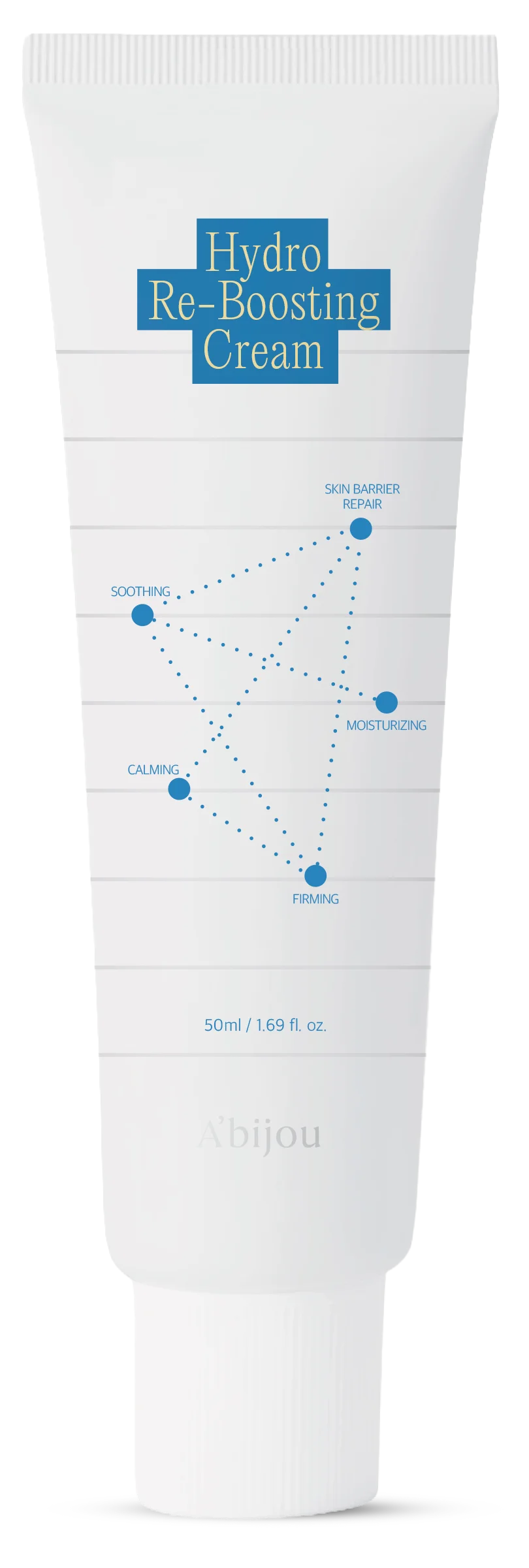 하이드로 리-부스팅 크림Buy
STEP 2 · 회복기 속보습
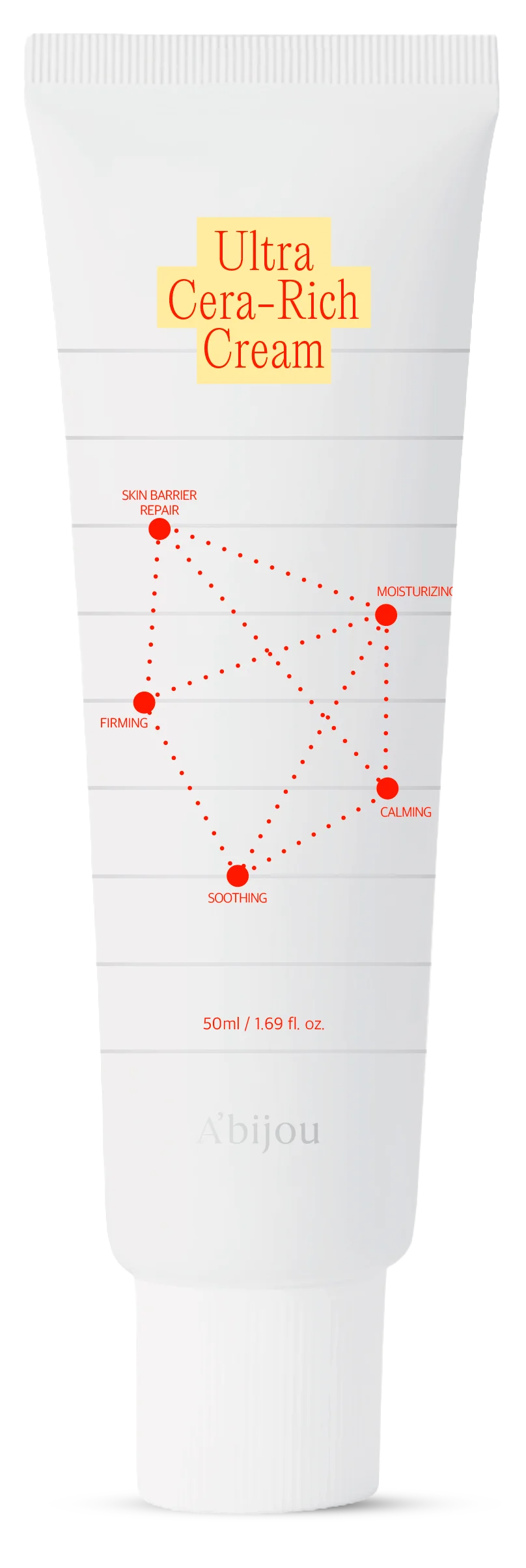 울트라 세라-리치 크림Buy
STEP 1 · 시술 직후 진정·장벽 케어