
Under-Eye Wrinkle Treatments: From Principles to Recovery
Under-eye wrinkles are a change that tends to become more noticeable with age, given that the skin around the eyes is thin and subject to frequent, repetitive expressions. Depending on the cause and severity, various approaches such as lasers, radiofrequency, fillers, and lower blepharoplasty may be considered, and it is important to decide whether and how to proceed through consultation with a specialist who has diagnosed the skin condition. Since effectiveness and recovery speed vary significantly between individuals, it is also advisable to check the aftercare plan in advance.
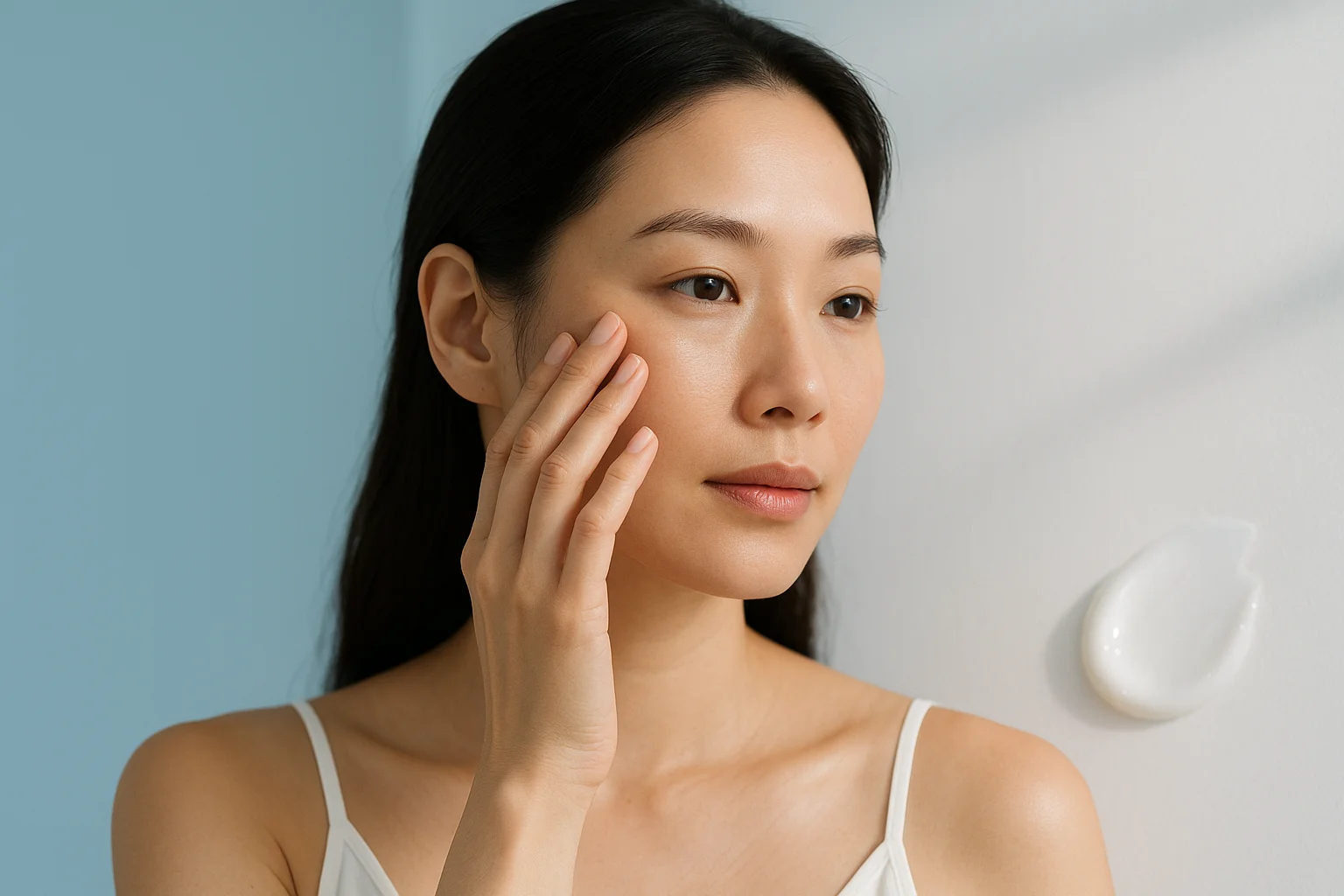
Under-eye wrinkles occur in an area where the skin is thinner than other parts of the face and has fewer sebaceous glands, causing loss of elasticity to appear relatively quickly. Repetitive movement of facial expression muscles, UV exposure, and the natural decrease in collagen and elastin due to aging all combine to produce a range of effects, from fine lines to deep wrinkles.
This article provides neutral information on the background of under-eye wrinkle formation, the principles considered when approaching it through procedures, the general course and downtime, and points to note in aftercare at home. Rather than asserting the effectiveness of any specific procedure, the goal is to convey basic knowledge that can be referenced during consultation.
Why Do Under-Eye Wrinkles Form?
The skin around the eyes is thinner than the facial average and has less subcutaneous fat, making it relatively more affected by external stimuli and aging. This often works together with expression wrinkles formed by repeated movements such as smiling or frowning, and gravity-related wrinkles caused by the reduction of elastic fibers in the skin itself.
In addition, as sagging of the under-eye fat occurs or volume in the eyelid area decreases with age, shadows can form, making wrinkles appear more pronounced. Since there are multiple causes involved, a diagnostic process to accurately identify the skin condition and type of wrinkle is necessary before planning any procedure.
General Principles of Procedural Approaches
Procedural approaches to under-eye wrinkles can broadly be divided into methods that refine the skin's surface texture and methods that supplement volume and support. Devices in the laser or radiofrequency category deliver thermal energy to the skin's superficial and dermal layers to stimulate collagen production and tissue remodeling, while fillers are used to supplement lost volume in cases involving under-eye hollowing or volume loss.
In cases where wrinkles and sagging have progressed further, surgical methods such as lower blepharoplasty may also be considered. Determining which method is appropriate is an area that requires a specialist's comprehensive judgment, taking into account wrinkle depth, skin elasticity, and fat sagging, and even with the same procedure, results and perceived outcomes may differ depending on individual skin conditions.
What to Expect: Course and Downtime
The course and downtime vary considerably depending on the treatment method. Procedures that stimulate the skin's surface, such as lasers or radiofrequency, may cause temporary redness, swelling, and stinging immediately after the procedure, which generally subside within a short period. Filler procedures may involve swelling or bruising lasting several days, while surgical methods require relatively longer recovery periods.
During downtime, it is recommended to avoid irritating the treated area, avoid UV exposure, and use gentle moisturizing care considering that the skin barrier is in a sensitive state. Since recovery speed and perceived results can vary depending on individual skin type, condition of the treated area, and care method, it is important to follow the precautions provided by the attending specialist.
Home Care During the Recovery Period After Treatment
The eye area has thin skin, making it particularly prone to sensitivity after treatment. Immediately after the procedure, care focused on soothing and moisturizing can help the skin stabilize, and during the subsequent recovery period, it is generally recommended to focus on deep moisturizing and barrier care.
However, since the eye area is a sensitive region close to mucous membranes, any product to be used directly on the treated area, as well as the timing of use, should always be decided in consultation with the attending specialist.
Home Care Determines Post-Procedure Recovery
During the period when the skin is sensitive after a procedure, using products with low irritation that focus on soothing and moisturizing in a step-by-step manner can be one approach to home care. AbiJew Cream consists of STEP1 Ultra Cera-Rich, aimed at soothing and barrier care immediately after the procedure, and STEP2 Hydro Re-Boosting, for deep moisturizing care during the subsequent recovery period, allowing selection according to the stage of recovery. However, for thin and sensitive areas like the eye area, it is advisable to first discuss product use and timing with a specialist.
FAQ
- Does a single under-eye wrinkle treatment maintain its effect?
- The duration of the effect varies depending on the type of treatment and individual skin condition, and repeated treatments may be necessary in some cases. Since the persistence and perceived degree of the effect vary greatly between individuals, it is advisable to discuss the expected course thoroughly with a specialist during consultation.
- Which is better, laser treatment or filler?
- The two methods work on fundamentally different principles, making simple comparison difficult. The appropriate method depends on whether the wrinkles are caused by reduced skin elasticity or volume loss, so this should be decided together with a specialist after diagnosis.
- Can I wear makeup during the downtime after the procedure?
- The timing for when makeup can be worn varies depending on the type of procedure and skin condition, so you should follow the guidance provided by the medical institution where you received treatment. Generally, it is recommended to minimize irritation and wait until the skin has calmed down.
- Is there a higher risk of side effects with eye area procedures?
- Since the skin around the eyes is thin and sensitive, a more cautious approach is needed compared to other areas. Swelling, bruising, and temporary redness may occur, and the severity and recovery speed vary between individuals, so it is important to receive thorough consultation before the procedure and proper aftercare guidance.
Medically reviewed by 아비쥬의원 의료진. (September 10, 2026)