
Understanding Under-Eye Wrinkles: Causes and Treatment Options
Under-eye wrinkles form because the skin around the eyes is thin and contains relatively little collagen and elastic fiber in the dermis, making it especially vulnerable to repeated facial muscle movement and skin aging. Depending on depth and cause, various approaches such as lifting procedures or skin boosters may be considered, and regardless of which treatment is chosen, soothing and moisturizing care in the days following the procedure plays a key role in determining the skin's outcome.
Under-eye wrinkles that stand out every time you look in the mirror can feel beyond the reach of eye cream alone for many people. Understanding why under-eye wrinkles form can help you decide on the right care or treatment approach for you.
- 1Days 1–3 right after the procedureRedness, warmth, tightness — focus on soothing care
- 2From day 4 onwardRedness decreases; inner tightness and dryness may be felt
- 3Ongoing recovery careMaintain condition with deep moisturizing and texture care
Why do under-eye wrinkles form?
The skin around the eyes is much thinner than skin on other parts of the face and has fewer sebaceous glands, making it prone to dryness. On top of this, the repeated movement of the orbicularis oculi muscle every time you smile or frown creates favorable conditions for expression lines to set in.
As we age, collagen and elastic fibers within the skin gradually decrease, and the skin's own ability to retain moisture weakens, causing the under-eye skin to sag and fine lines to deepen. When combined with UV exposure, chronic lack of sleep, and habits like frequently rubbing the eyes, wrinkles can become even more pronounced.
Generally, under-eye wrinkles are divided into two main types: dynamic wrinkles that only appear when the skin folds, and static wrinkles that remain visible even at rest. The former tends to appear relatively early, while the latter is often accompanied by a decline in the skin's own elasticity.
Procedures Considered for Improving Under-Eye Wrinkles
Approaches commonly mentioned for improving under-eye wrinkles can be broadly divided into two categories. One is lifting-type procedures that use heat energy to induce collagen remodeling within the skin, and the other is methods like skin boosters that deliver moisturizing and elasticity-supporting ingredients into the skin.
When applying lifting-type procedures to thin, sensitive areas like the eye area, it is important to carefully control the energy intensity and application range. Skin booster-type procedures tend to have a relatively faster recovery, but swelling or mild irritation can still occur immediately after the procedure.
Which procedure is right for you depends on the depth of the under-eye wrinkles, skin thickness, and degree of sagging, so it is best to consult with a specialist to determine the direction suited to your individual condition. Rather than asserting the effects of any specific procedure, this article focuses on useful information to know before and after a procedure.
How Does Post-Procedure Progress Differ by Stage?
Regardless of the type of procedure, there is a common recovery flow. From immediately after the procedure through days 1 to 3, redness, mild heat sensation, and tightness may be felt in the area. Since the eye area has thin skin, irritation during this period may feel more sensitive than in other areas.
From day 4 onward, redness and heat sensation gradually subside, often being replaced by tightness and dryness. During this period, as moisture within the skin decreases, you may notice fine flaking or a rougher texture around the eyes.
Recovery speed may vary depending on individual skin condition and procedure intensity, so it is safest to adjust your care schedule according to the guidance of the medical professional who performed the procedure.
Home Care Approaches by Recovery Stage
Days 1 to 3 immediately after the procedure are a period focused on calming redness and heat sensation. It is recommended to cleanse gently with lukewarm water and replenish moisture by patting it in, helping the skin avoid additional irritation. During this time, sun protection and avoiding touching the area with your hands are also important.
From day 4 onward, the focus shifts to managing inner tightness and dryness. Since the eye area has thinner skin than other areas, inner dryness tends to be felt sooner, so choosing a lightly absorbing formula that still provides deep hydration can be helpful.
What's important in both periods is choosing low-irritation formulas and avoiding excessive rubbing. Even small habits can affect how quickly the skin around the eyes recovers.
A Two-Stage Approach to Post-Procedure Care
ZXQMAGAZINETERM Abiju Cream ZXQ is a recovery solution composed of 2 steps tailored to the changes in skin condition at each stage. In the 1 to 3 days right after the procedure, when redness and warmth are felt, it focuses on soothing and barrier care with the Ultra Cera-Rich Cream (STEP1); from day 4 onward, when tightness and dryness remain, it continues with deep moisture care using the Hydro Re-Boosting Cream (STEP2).
Both products are based on a complex of 5 types of ceramides, focusing on creating an environment similar to the skin's own lipids, and their soothing, barrier, and moisturizing care effects suited to each stage were confirmed through human application tests. They can be gently applied in small amounts even to sensitive areas like around the eyes.
Post-procedure recovery depends on home care
Whatever procedure is chosen to improve under-eye wrinkles, care from right after the procedure through the recovery period can affect skin condition. ZXQMAGAZINETERM Abiju Cream ZXQ consists of the Ultra Cera-Rich Cream (STEP1) for the period right after the procedure when soothing is needed, and the Hydro Re-Boosting Cream (STEP2) for the recovery period when tightness remains, helping with stage-specific home care for sensitive areas like around the eyes.
물리적 자극으로 붉어진 피부의 붉은기 진정에 도움. 개인차가 있을 수 있습니다.
출처 P&K 피부임상연구센타 시험성적서 (PNK-26224-RI2R)
물리적 자극으로 손상된 장벽이 손상 전 수준으로 회복되는 데 도움. 개인차가 있을 수 있습니다.
출처 P&K 피부임상연구센타 시험성적서 (PNK-26224-RI2R)
화학적 자극으로 붉어진 피부 진정에 도움. 개인차가 있을 수 있습니다.
출처 P&K 피부임상연구센타 시험성적서 (PNK-26223-RI1R)
자극 후 건조함 케어에 도움. 개인차가 있을 수 있습니다.
출처 P&K 피부임상연구센타 시험성적서 (PNK-26223-RI1R)
FAQ
- Can under-eye wrinkles appear even at a young age?
- Yes, because the under-eye skin is inherently thin and the area is frequently moved through facial expressions, expression lines can appear early regardless of age. However, wrinkles that remain visible even at rest are often accompanied by reduced skin elasticity.
- How long do swelling or redness last after under-eye wrinkle treatment?
- This varies depending on the type of treatment and individual differences, but redness and warmth are often most noticeable on days 1 to 3, gradually subsiding afterward. For an accurate timeline, it's best to consult with the medical professional who performed the procedure.
- Since the under-eye skin is thin, is it okay to use any cream?
- The under-eye area is especially thin and sensitive compared to other parts of the face, so it's best to use low-irritant formulas applied gently in small amounts. It may help to focus on soothing care right after a procedure, then shift to deep moisturizing care in the following stages.
- Is lifting treatment or a skin booster better suited for under-eye wrinkles?
- The suitable approach can vary depending on the depth of the wrinkles, the degree of skin sagging, and individual skin condition, so it's difficult to say definitively that one treatment is universally better. It's advisable to consult a specialist to determine the direction that best fits your condition.
Related products
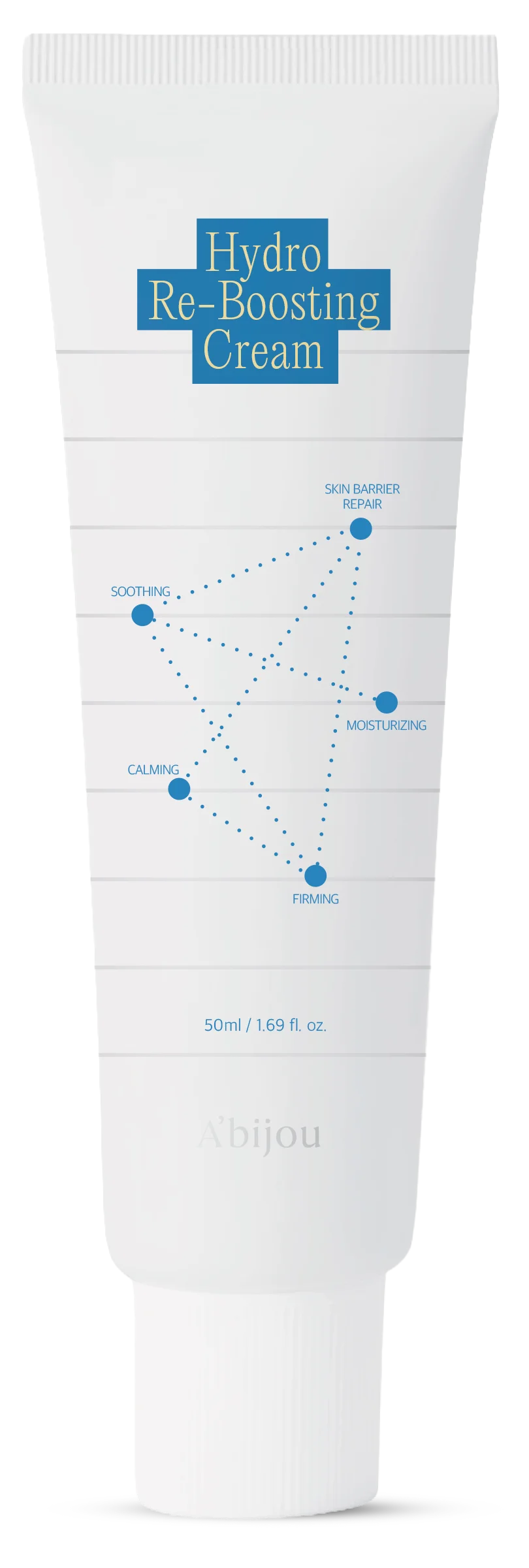 하이드로 리-부스팅 크림Buy
STEP 2 · 회복기 속보습
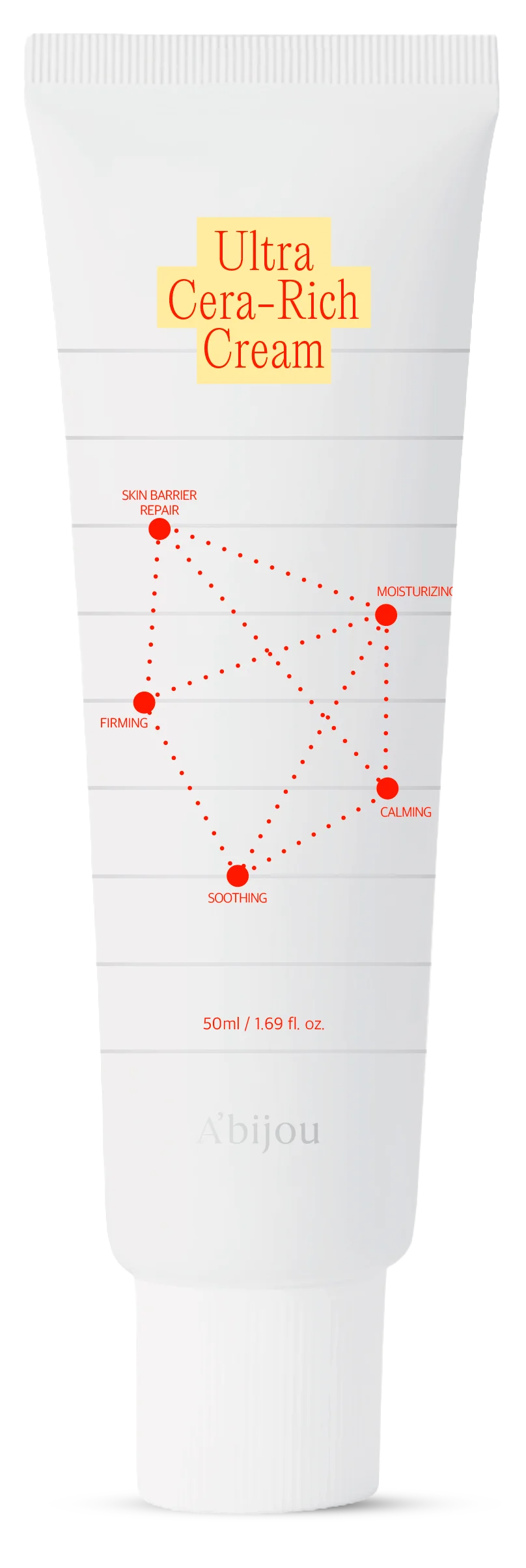 울트라 세라-리치 크림Buy
STEP 1 · 시술 직후 진정·장벽 케어