
Water Glow Injection: Principle, Effects, Downtime, and Recovery Explained
Water glow injection is a procedure that evenly injects substances such as hyaluronic acid into the skin, aiming to enhance hydration and radiance. It differs in focus from Rejuran, which centers on texture and elasticity care, and the degree of perceived effect and duration can vary by individual, so consultation with a specialist before treatment is necessary. Temporary redness or slight swelling may occur right after the procedure, making soothing and moisturizing care during this period important for recovery.
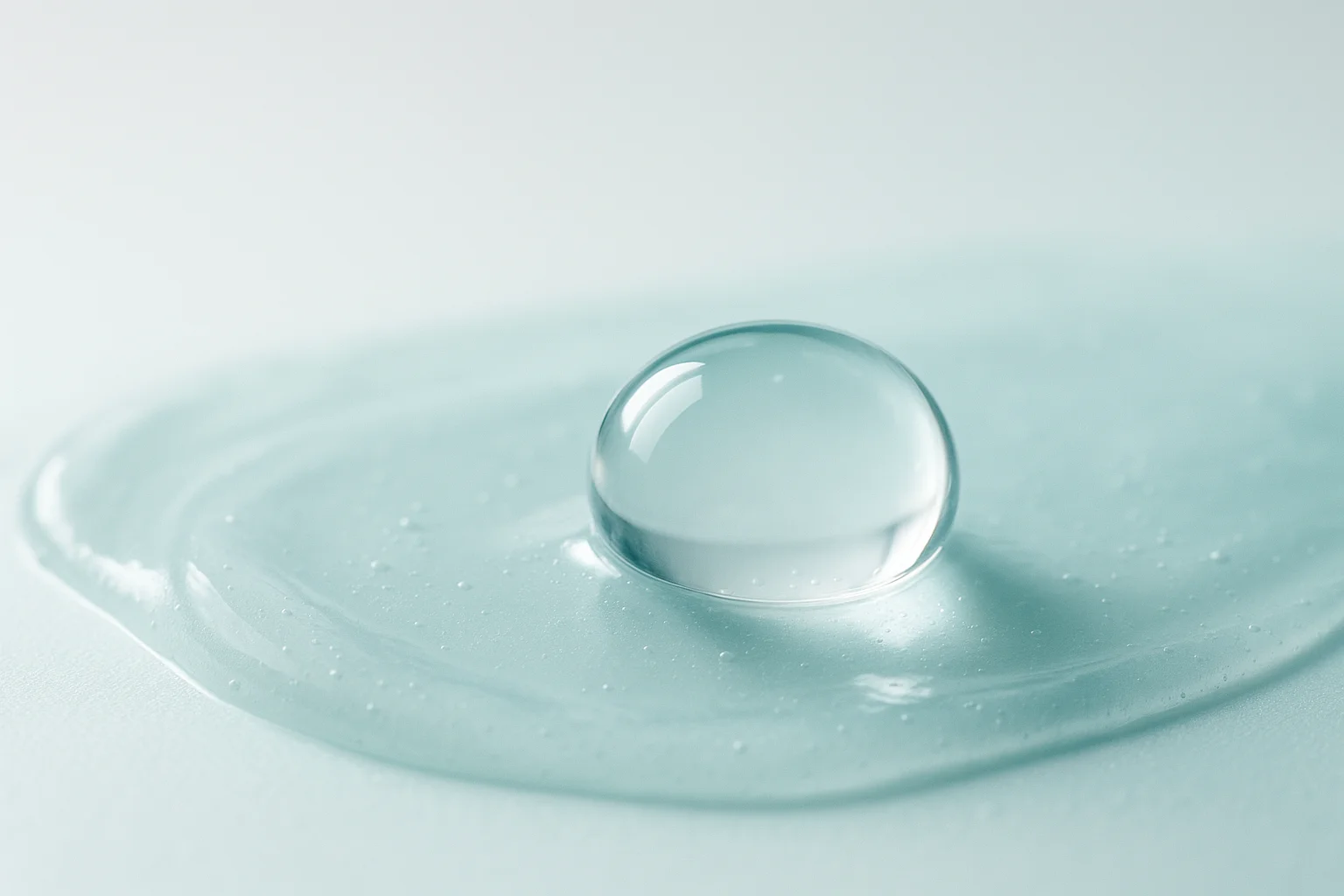
What Is Water Glow Injection?
Water glow injection refers to a procedure that evenly disperses substances such as hyaluronic acid into the dermal layer of the skin using fine needles or an injection method. As the name suggests, it focuses on adding the radiant, dewy impression known as "water glow" to the skin's surface.
While Rejuran (a PN/PDRN-based treatment), which is often mentioned alongside it, focuses on improving skin condition and caring for texture and elasticity, water glow injection is distinguished as an approach closer to enhancing hydration and immediate radiance. Both procedures share the common goal of caring for the skin's internal environment through injection, but they differ in the substances used and their focus of action.
How Does It Work?
Hyaluronic acid, the substance used in water glow injection, is known for its property of attracting and holding moisture within the skin. By introducing it into the dermal layer, the procedure aims to help address dullness or reduced texture caused by dryness.
However, the degree of perceived effect and how long it lasts can vary depending on the product used, the injection method, and individual skin condition. It's difficult to generalize the results of every procedure, and since the appropriate treatment may differ depending on whether your concern is texture and elasticity or hydration and radiance, it's recommended to determine the right direction through consultation with a specialist.
Perceived Effects, Progression, and Downtime
Right after the procedure, temporary redness, slight swelling, or pressure marks (wheals) may appear at the injection site, and in many cases these subside within a few days. However, the speed and degree to which swelling or marks subside varies by individual, making it difficult to generalize.
While returning to daily life is often described as having few major restrictions, care should be taken during the recovery period to avoid irritating the treated area, massage, intense exercise, or sauna use. For accurate precautions and recovery timelines, it's best to get individual guidance from the clinic that performed the procedure.
Why At-Home Care Matters During the Recovery Period
Right after the procedure, the skin has undergone minor stimulation, and the skin barrier may become temporarily sensitive during this period. At this time, avoiding irritating ingredients and focusing on soothing and moisturizing at-home care can help manage the skin's condition during recovery.
One approach mentioned is to divide care into stages: using low-irritation soothing care to calm redness and sensitivity in the early recovery period, and then shifting to deep moisturizing care once recovery has progressed to some extent. However, at-home care alone cannot guarantee the outcome of a procedure, and if adverse reactions persist or concerning symptoms appear, it's best to contact the clinic that performed the treatment first.
Recovery After the Procedure Depends on At-Home Care
From right after the procedure through the early recovery period, the skin tends to become sensitive, and low-irritation soothing care can be helpful. AVIJU Cream is designed with post-procedure at-home care in mind, structured in two steps: STEP1 Ultra Cera-Rich, intended for soothing redness and caring for the skin barrier right after the procedure, and STEP2 Hydro Re-Boosting, designed for deep moisturizing care during the later recovery period. That said, this is just one of several supportive at-home care methods, and judgments and management regarding the procedure's progress or any adverse reactions should first follow consultation with the specialist at the clinic where the treatment was performed.
FAQ
- How is water glow injection different from Rejuran?
- Water glow injection uses substances like hyaluronic acid and focuses on enhancing hydration and radiance, while Rejuran uses PN/PDRN-based ingredients and focuses on improving skin condition, texture, and elasticity. The right choice may vary depending on your goals, so consultation is recommended.
- How long do the effects of water glow injection last?
- The duration varies depending on the substance used, the injection method, and individual skin condition, making it difficult to generalize. It's best to get accurate guidance through consultation with the clinic that performed the procedure.
- How much downtime is there after water glow injection?
- Temporary redness or slight swelling may occur right after the procedure, and in many cases this subsides within a few days, though recovery speed varies by individual.
- How should I care for my skin at home after water glow injection?
- Avoiding irritating ingredients and focusing on soothing and moisturizing care can help manage skin condition during recovery. If sensitivity persists, it's best to contact the clinic that performed the procedure.
- Can water glow injection and Rejuran be done together?
- Since they target different goals, they are sometimes planned together, but this depends on individual skin condition and treatment schedule, so it should be decided after consultation with a specialist.
Medically reviewed by 아비쥬의원 의료진. (September 10, 2026)